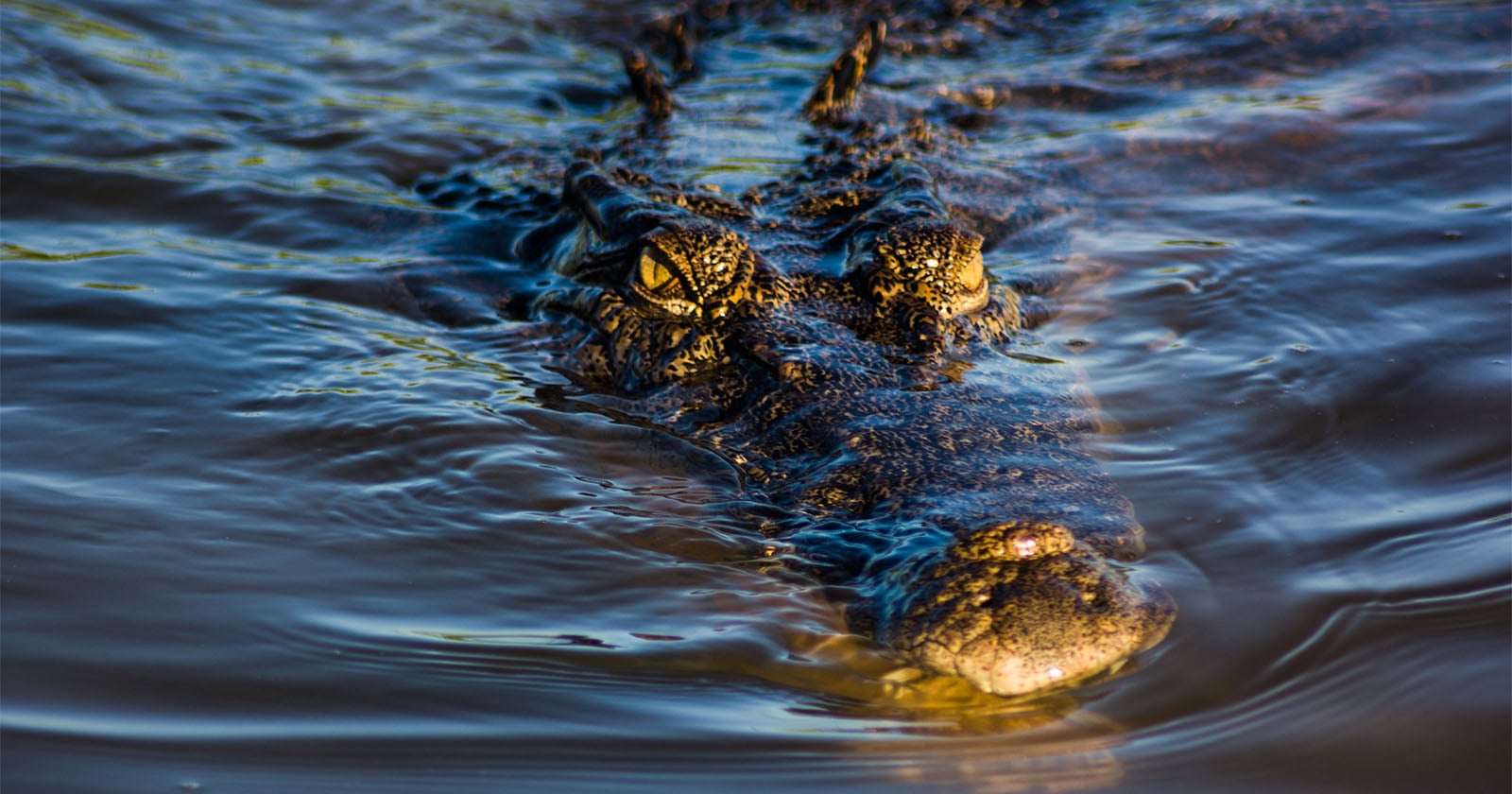
A crocodile that never existed has landed a man in real legal trouble. Singapore police have charged an individual for allegedly sharing an AI-generated image of a saltwater crocodile in a public water area, and we think this case is a necessary wake-up call about how seriously authorities are now taking digital deception. This isn't about a harmless prank or a clever piece of art, it is about the moment when a fabricated image crosses into the realm of public alarm, and the law decides to act.
The charge carries serious weight, and that weight should matter to anyone who creates, shares, or consumes visual content. For our audience, people who value authenticity in fitness, beauty, fashion, and lifestyle, this story hits close to home. We have long championed the idea that what you see should be real, whether it is a curated wellness space or a candid moment of artistic expression. When AI can produce a convincing threat in an everyday setting, the line between imagination and reality blurs dangerously. Consider how this mirrors the concerns raised in Artistic Integrity Meets Digital Deception as AI Alters Political Reality, where an AI-manipulated image was used to harm a person's dignity. Both cases underline a truth: the tool itself is neutral, but the intent behind it is not. Meanwhile, Justice Through the Lens: Photographer Wins Strip-Search Case reminds us that the law can protect truth-tellers when their rights are violated, a counterpoint to this moment, where the law is instead penalizing a fabricator.
What does this mean for you, practically? It means that posting an AI-generated image without clear disclosure is no longer just ethically questionable, it can be legally dangerous. The takeaway is direct: if you create or share synthetic visuals, label them plainly. The Singapore case shows that authorities are willing to treat an AI crocodile as a public nuisance, not as a creative exercise. This sets a precedent that could ripple across jurisdictions, especially as more governments grapple with how to regulate AI content.
We are not suggesting every AI filter or whimsical edit will land someone in court. But when the image simulates a real-world hazard, a dangerous animal in a public space, the stakes shift. The open question is where other jurisdictions will draw the line. For now, the lesson is crisp: authenticity is not just a value we celebrate; it is becoming a legal requirement. Watch how this case develops, because the answer will shape how we all navigate a world where seeing is no longer believing.