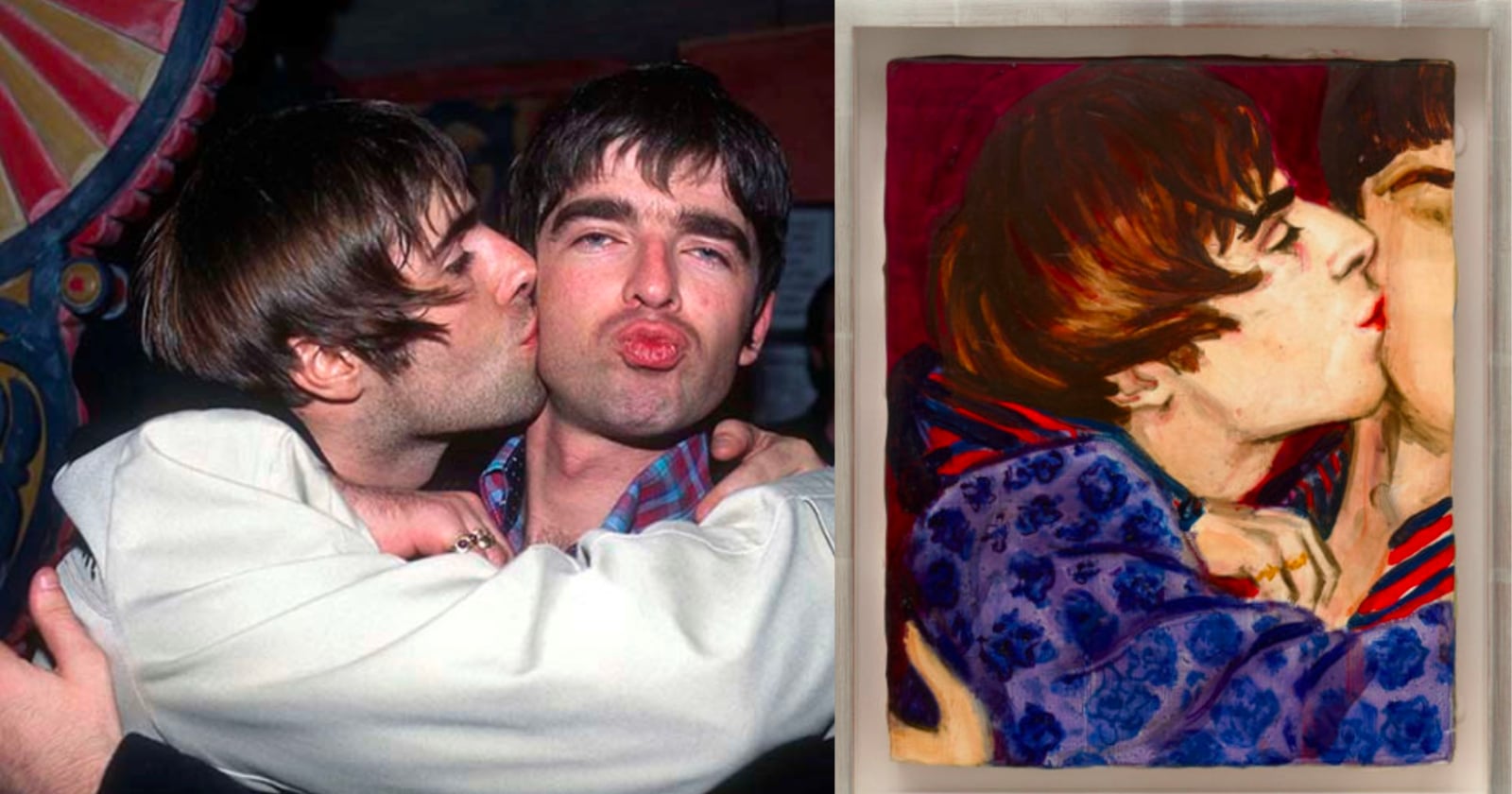
The photograph freezes a moment of raw, magnetic tension between two brothers who defined an era. The painting transforms that instant into something else entirely, something that sold for nearly $2 million. Now a music photographer has sued the artist, and the art world is asking a question that feels both ancient and urgently current: where does homage end and exploitation begin?
This isn't a simple story of a villain and a victim. It's a collision of two creative worlds that have always danced close together, sometimes gracefully, sometimes stepping on each other's toes. We've explored similar territory in our own pages, from the unspoken dialogue between lens and loom in ancient silk to the way creative court wins crack open closed systems. The pattern is familiar: one artist builds on another's vision, and the law scrambles to catch up with the nuances of inspiration.
The photographer has a point, and it's not just about the money. When a photograph is so distinctive that it becomes the blueprint for a $2 million painting, the original artist deserves recognition and compensation. This isn't a case of someone painting a generic rock band from memory. The painting mirrors the photograph's composition, its mood, its very soul. The artist took something specific and personal, stripped it of its original context, and sold it into the rarefied air of fine art auctions.
But we'd also caution against a rush to judgment. Art has always borrowed, sampled, and reinterpreted. The question is where the line gets drawn, and that line shifts with every new medium and every new generation of creators. What we find compelling here is the practical lesson for our readers, many of whom are photographers, artists, and creators themselves. This case matters because it affects how you protect your own work. It's a reminder to document your creative process, to register your images, and to understand that your vision has value beyond the likes and shares.
The deeper issue is one of visibility and credit. The photographer's name was likely absent from the painting's provenance. The art world celebrated the painter's genius while the source image faded into the background. That's a familiar story, one we've seen play out in street photography and beyond, where finding joy on the streets, one frame after fashion, often means watching fleeting moments get repurposed in ways the original shooter never intended.
What we would tell a reader who asked us about this case is simple: pay attention to how the court rules, but don't wait for the verdict to act. This is a moment to consider your own boundaries. What are you comfortable having others do with your work? What constitutes fair use, and what feels like theft? The answers will be personal, but the conversation is collective.
The specific detail to watch is whether the court focuses on the painting's commercial success or its artistic transformation. That distinction could set a precedent that ripples through every creative industry. For now, the photograph and the painting hang in a strange limbo, each one reflecting the other, and we're all left to wonder where one artist's vision ends and another's begins.