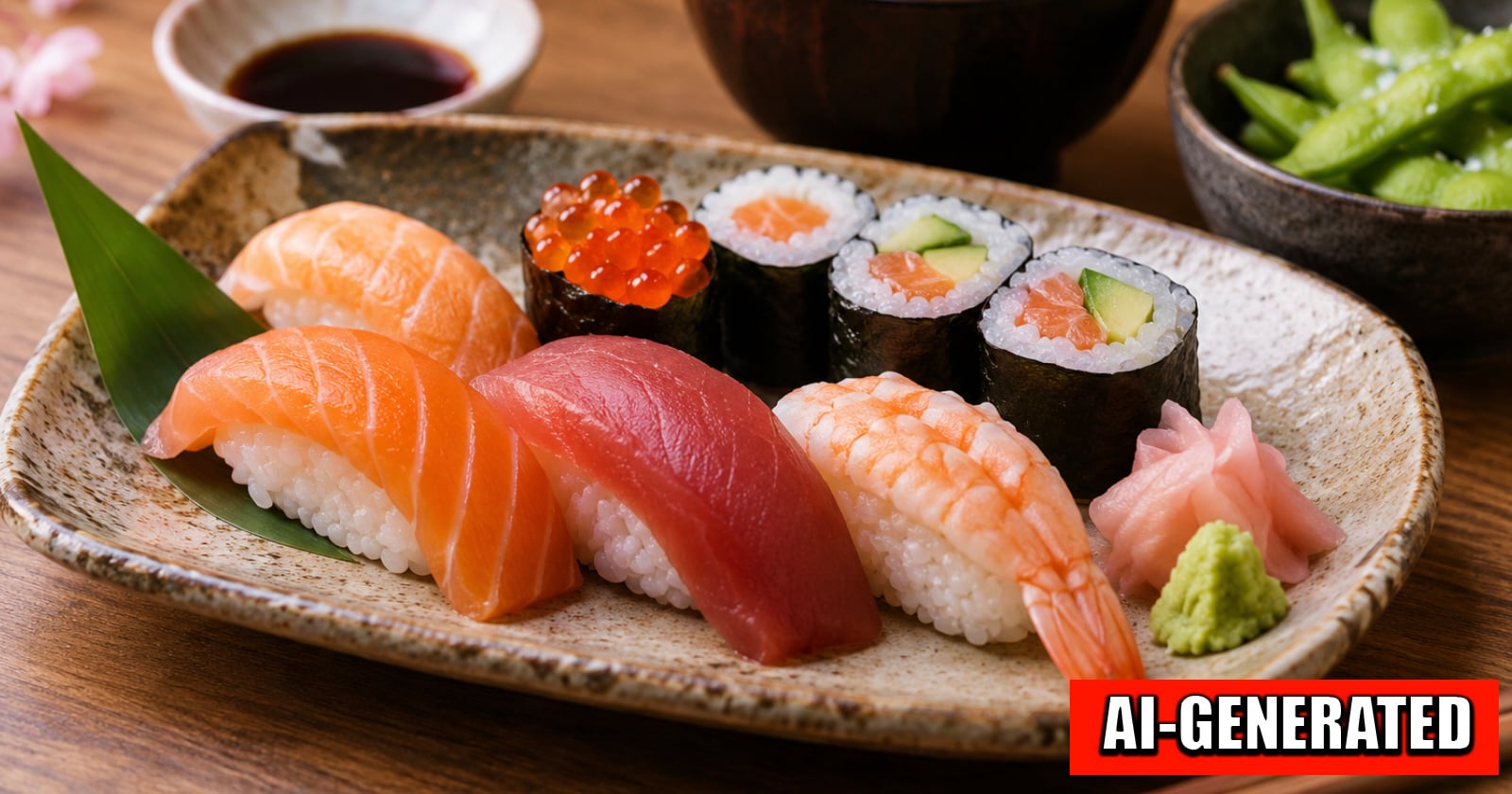
Japan's strict laws against misleading product photography exist for good reason: a diner should never open a bento box and find a pale imitation of the glossy, sauce-drenched image that sold it to them. Now, an even more unsettling gap is opening. AI-generated food images are beginning to appear in marketing materials across the country, and the concern is not merely about retouching a stray crumb. It is about fabricating a meal that never existed at all. Our take is clear: this is a quiet erosion of trust that demands a sharper conversation about what "authentic" means in an image-driven culture.
For creators and health-conscious consumers alike, the stakes are deeply personal. A photographer who spends hours composing a dish for a client, or a chef who insists on plating for the camera themselves, understands that the craft lies in the truth of that moment. The rise of synthetic food photography risks devaluing that labor entirely. It also threatens the very premise of the curated, immersive world we celebrate, a world where beauty is real, imperfect, and earned. The conversation echoes tensions we have explored in related coverage, such as Instagram arms creators with a curated tool to protect their original work, where the platform itself is building tools to help creators defend their visual identity from unauthorized copies. Meanwhile, The Art of Editing Expands: VSCO Studio Pro Desktop Arrives reminds us that thoughtful post-processing has long been part of the creative toolkit. The difference is intent: editing enhances a real image, while generating one from scratch erases its origin.
Japan's existing consumer protection laws, which penalize images that materially differ from the product, were written for a world where the photograph was a representation of something tangible. An AI-generated image is not a representation at all. It is a simulation, and when it is used to sell a bowl of ramen or a slice of cheesecake, the consumer has no way to verify whether the dish they receive ever had a chance of resembling it. This is not a future hypothetical. The technology is already here, and the legal framework is scrambling to catch up. For our readers, the artists, the wellness seekers, the aesthetes who value both form and function, the practical consequence is a need for new literacy. We must learn to ask not only "Is this photo retouched?" but "Was this photo taken?".
The most concrete takeaway is that authenticity will soon become a premium attribute, one that brands and creators must consciously signal. A restaurant that photographs its actual food, or a fitness brand that shoots real meals in real kitchens, will be offering something the AI image cannot: accountability. This is where the artistic and the ethical converge. We are not arguing against innovation. Tools like the wired tethering between Hasselblad and Capture One, detailed in Wired and unwound: Hasselblad and Capture One unite for seamless tethering, show how technology can deepen the connection between the creator and the captured moment. The question now is whether the market will reward that connection or accept a cheaper, pixel-perfect lie. For Japan, a culture that reveres the ritual of food as much as its appearance, the answer may define the next chapter of visual trust.