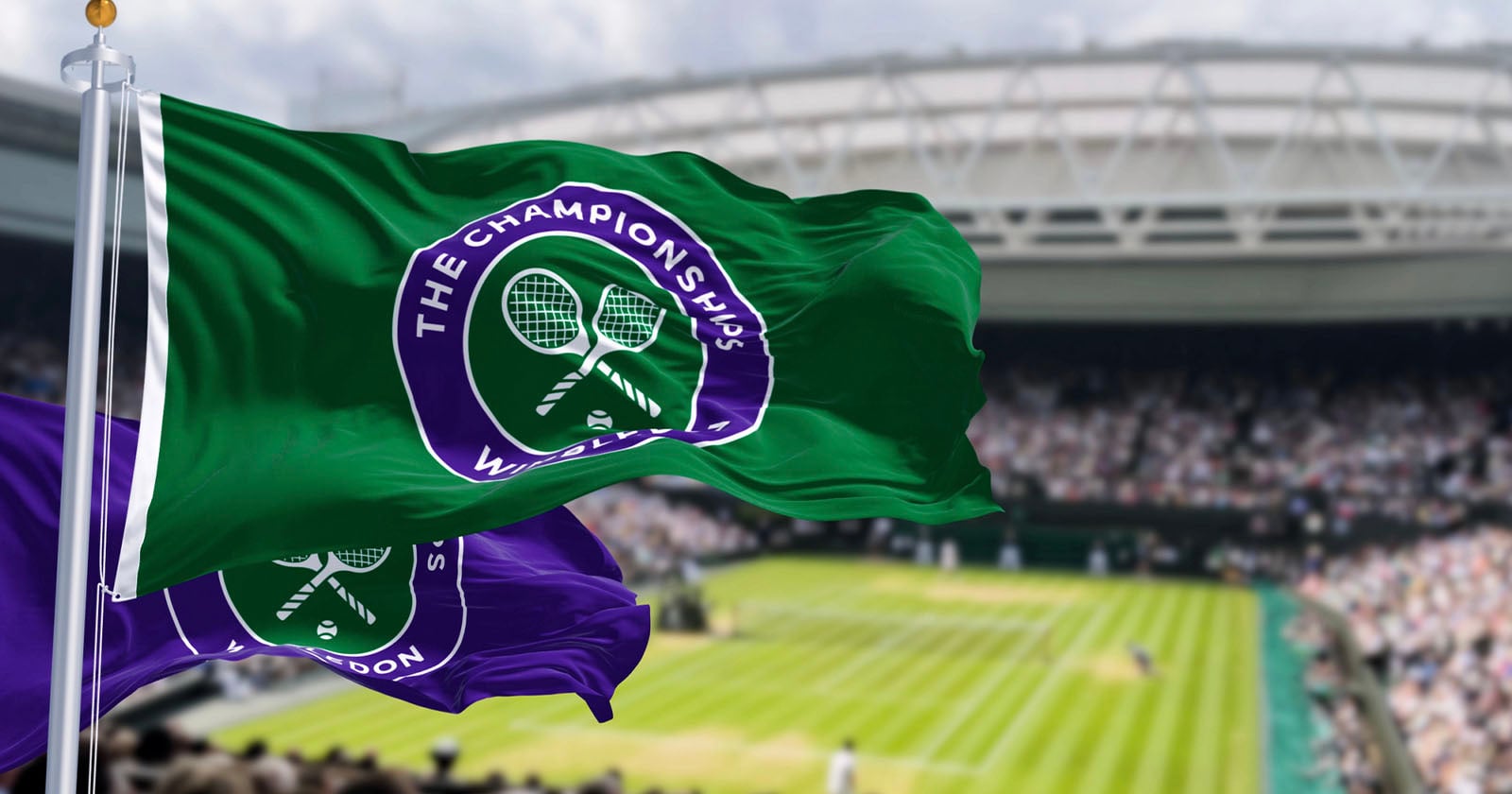
Wimbledon's decision to deploy military precision in protecting the sacred quiet of Centre Court is not an overreaction; it is a necessary reclamation of reverence. The U.S. Open's descent into chaos, where rowdy influencers staged impromptu photo shoots mid-match, exposed a cultural rot that threatens the very essence of live sport. We believe the All England Club is right to draw a hard line, and every tournament director should be taking notes. This isn't about policing fun; it's about defending the difference between being present and performing for an audience that isn't there.
The scene in New York was a symptom of a broader confusion between documentation and experience. When a camera becomes a prop and a match becomes a backdrop, the authenticity of the moment evaporates. This is the same tension we explored with the Nikon Z5 II C: A Curated Camera for Authentic Street Moments, where the tool should serve the observer, not the ego. Similarly, the The MD Marks the Moment Leica's Craft Became a Lifelong Companion reminds us that true craft is about patience and intimacy, not viral validation. These are devices for those who wish to see, not to be seen. The U.S. Open's problem was an excess of the latter, and Wimbledon's response is a quiet, firm correction.
For our readers, the practical implication is clear: the spaces we cherish, whether a tennis court or a gallery opening, require active stewardship. If we allow the noise of the feed to dictate the rhythm of the room, we lose the very texture that makes these experiences extraordinary. The curated atmosphere of Wimbledon, with its strict dress codes and hushed applause, is not stuffy tradition; it is a deliberate design choice that elevates the athleticism into something approaching art. The U.S. Open's free-for-all turned a sporting contest into a content farm, and the quality of the spectacle suffered for it. We should expect better from our cultural institutions, and we should demand more from ourselves as attendees.
The specific detail to watch now is how Wimbledon enforces this new protocol without becoming theatrical itself. Military precision is one thing, but a visible armed presence on the lawns could shift the energy from serene to sterile. The challenge lies in maintaining a gentle authority, a presence that deters disruption without dampening the joy of the day. If they succeed, they will have proven that discipline and delight are not opposites, but partners. If they fail, we will see a fortress, not a garden. The U.S. Open may have taught us what happens when we let the circus in; Wimbledon now has the chance to show us how to keep the soul intact. That is the match worth watching.