xAI Sues Photographer, Blaming Him for Sexual Images Created With Grok
Our take
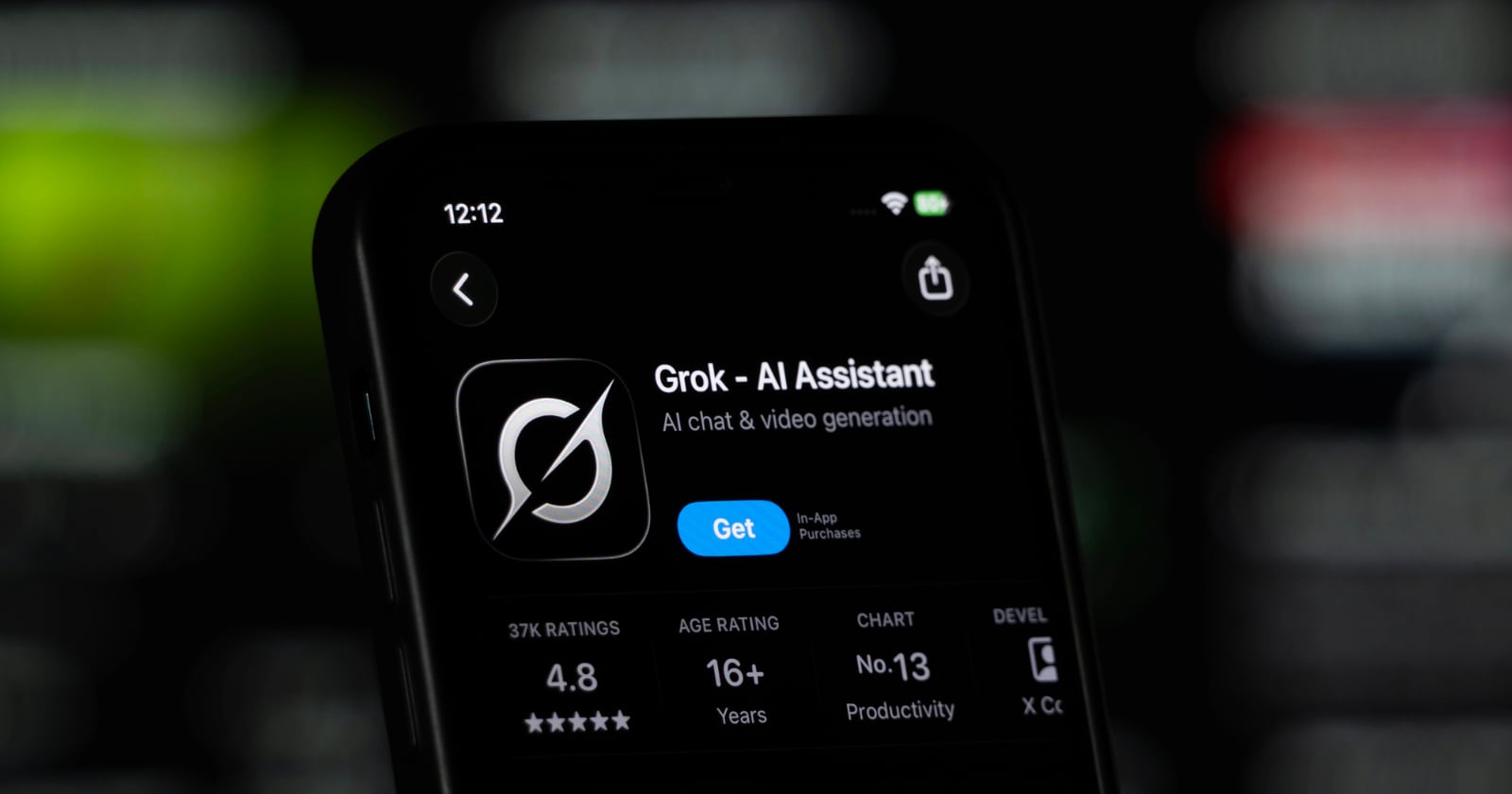
The lawsuit filed by xAI against an Arkansas photographer, alleging the misuse of Grok to generate sexually explicit images from photographs of minors, represents a deeply unsettling and complex intersection of artificial intelligence, ethical responsibility, and legal accountability. This isn’t simply a case of technological mishap; it’s a stark illustration of the potential for AI tools to be weaponized, particularly against vulnerable populations. The photographer’s alleged actions, if proven true, are abhorrent, and xAI’s decision to pursue legal action highlights the growing pressure on AI developers to address and mitigate the risks associated with their technology. It echoes concerns raised in similar incidents, such as the recent proliferation of AI-generated images falsely depicting a “Cat in the Hat Serial Killer” [Photos of ‘Cat in the Hat Serial Killer’ Are AI-Generated, Police Say], demonstrating the ease with which AI can be used to fabricate and disseminate harmful content. This case forces us to confront the uncomfortable reality that even sophisticated AI models can be exploited for malicious purposes, and that the lines of responsibility are increasingly blurred.
The legal argument presented by xAI—that the photographer is responsible for the generated images—is a fascinating and potentially precedent-setting one. While AI developers are understandably keen to deflect liability, the core issue revolves around the user's intent and actions. It’s reminiscent of the debate surrounding camera ownership and misuse; the camera itself is not culpable for the actions of the photographer. However, the transformative nature of AI, particularly generative models, introduces a new layer of complexity. Grok, as an AI assistant, doesn't simply process data; it actively creates new content based on prompts. This raises the question of whether the AI itself bears some degree of responsibility, or whether the onus solely rests on the user. Consider the ongoing discussions about intellectual property rights and scraping of data to train AI, as highlighted by the recent case involving a Redditor who scraped data from an anti-AI photography app [Redditor Who Scraped Photographer’s Anti-AI App Has Change of Heart]. These parallel issues underscore the broader struggle to define ethical boundaries and legal frameworks within the rapidly evolving AI landscape. The argument also touches upon the notion of “prompt engineering” and the potential for users to deliberately manipulate AI to produce harmful outputs.
Beyond the immediate legal ramifications, this case has significant implications for the future of AI development and regulation. It underscores the urgent need for robust safety protocols, content moderation systems, and user agreements that explicitly prohibit the creation of harmful or illegal content. Developers must move beyond simply acknowledging the potential for misuse and actively implement safeguards to prevent it. This may involve refining AI models to be less susceptible to malicious prompts, incorporating stricter content filters, and establishing clear reporting mechanisms for users to flag inappropriate behavior. The photographer’s alleged actions also highlight the importance of digital literacy and responsible AI usage among the general public. As AI tools become increasingly accessible, it’s crucial to educate users about the potential risks and ethical considerations associated with their use, particularly when dealing with sensitive data or vulnerable individuals. The discussion about manual focus lenses and their impact on photographic skill [How Manual Focus Lenses Make Everyone Better Photographers] indirectly relates, as it suggests a potential loss of core skills when relying too heavily on automated tools – a principle applicable to AI as well.
Ultimately, the xAI versus photographer case serves as a cautionary tale, demonstrating that the promise of AI innovation must be tempered with a deep commitment to ethical responsibility and legal accountability. The outcome of this lawsuit will likely shape future legal interpretations of AI liability and influence the development of industry best practices. The question remains: how can we foster innovation in AI while simultaneously safeguarding against its potential for misuse, particularly when it comes to protecting vulnerable populations and upholding fundamental human rights? The speed of technological advancement demands proactive and thoughtful solutions, lest we find ourselves perpetually reacting to crises rather than preventing them.
Elon Musk’s xAI is suing a prominent Arkansas photographer accused of using Grok to turn photographs of his minor clients into sexually explicit images -- arguing that he is responsible for the resulting material.
Read on the original site
Open the publisher's page for the full experience