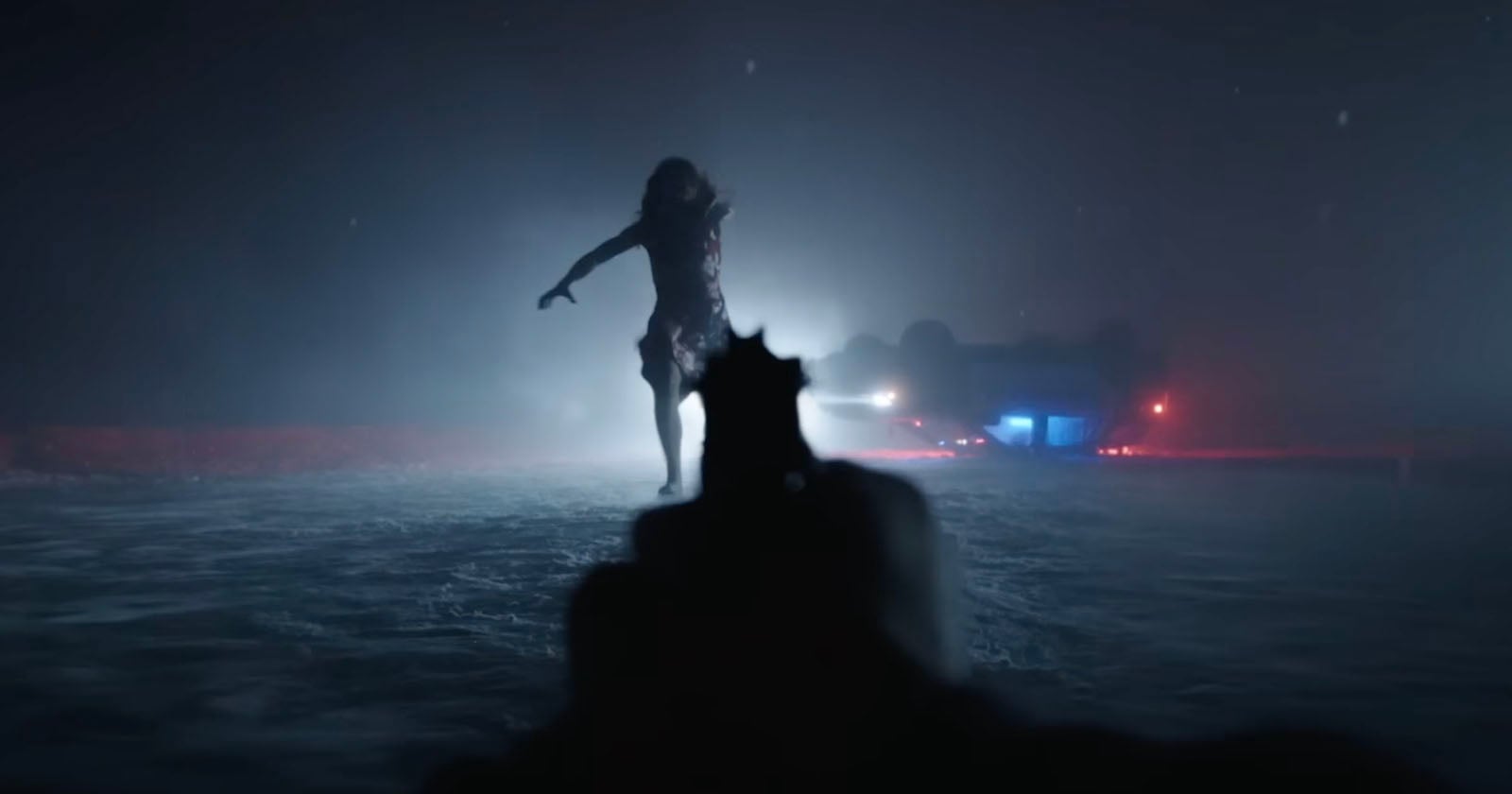
There is no contradiction in finding artistic elegance inside a horror story, and Zach Cregger's *Resident Evil* proves it. The film has become a genuine box-office hit and drawn real critical praise, even as a segment of the game franchise's original audience has pushed back. We think that friction is exactly where the most interesting work happens. Cregger has taken a world built on jump-scares and claustrophobic corridors and reimagined it through a curated lens, one that prioritizes atmosphere, composition, and emotional weight over simple shock. For fans who value the *Resident Evil* games for their tension and lore, this adaptation asks a harder question: can terror be beautiful and still be terrifying?
The answer, apparently, is yes. And the film's success suggests the audience for that answer is larger than expected. This is not a case of a director ignoring the source material; it is a case of a director translating its essence into a different visual language. It reminds us of how the cinematographer behind Crafting the Shadows: The Vision Behind Widow’s Bay’s Haunting Style built an entire aesthetic out of shadows and restraint, proving that what you leave out can be more powerful than what you show. Cregger appears to understand that same principle. He is not making a film for the people who want to see their favorite set pieces replayed beat for beat. He is making a film for those who want to feel the dread they remember from early playthroughs, but in a form that is immersive, original, and visually arresting. That is an aspirational creative choice, and it carries risk.
The criticism from some video game fans is understandable. When a world has been part of your life, seeing it reshaped can feel like a loss of something authentic. Yet the same phenomenon happens in other passionate communities, just ask the devotees lining up in Prague to recreate a single shot from a Depeche Mode music video, as covered in Prague's Quiet Bridge Becomes a Pilgrimage for Depeche Mode Devotees. They are not demanding the song be rewritten. They are finding new meaning in an old artifact through a shared ritual. Cregger's *Resident Evil* offers a similar invitation: you do not have to abandon the original to appreciate the new. The film is not a replacement; it is a parallel artwork. Our audience, which moves between fitness, fashion, and film with an eye for craft, should recognize that tension between preservation and evolution as a familiar creative challenge. It is the same one faced by every designer who reissues a classic silhouette, every chef who updates a traditional dish.
What matters now is not whether the film pleases every fan, but whether it opens a door. If Cregger's *Resident Evil* can prove that blockbuster horror thrives under a more curated, atmospheric approach, the practical consequence for our readers is clear: expect more studios to trust directors who treat genre material as art. The specific detail we will be watching is whether the next wave of video-game adaptations follows this film's lead, opting for evocative style over literal recreation, or retreats to safer ground. That choice will tell us whether the industry has actually learned from the shadows, or was just looking for a moment in the light.