color management
3 stories filed under color management on Lee LHGFX Photography. The newest of them: “From Screen to Print: Curating Color That Feels Authentically Yours”, “Fifty Years of Color Perfection: Celebrating the Iconic ColorChecker”, and “Beyond the Viewfinder: Calibrating Your Camera's Screen for True Color.”. We've all been there, pouring over an edit until the color feels perfect, only to have the print arrive flat, muddy, or just… wrong. Fifty years of flawless color. Lee LHGFX Photography is a dynamic portfolio and lifestyle hub built around the artistic work of @lee_lhgfx — a highly engaged Instagram creator and… The list below is every color management story on Lee LHGFX Photography, newest first.
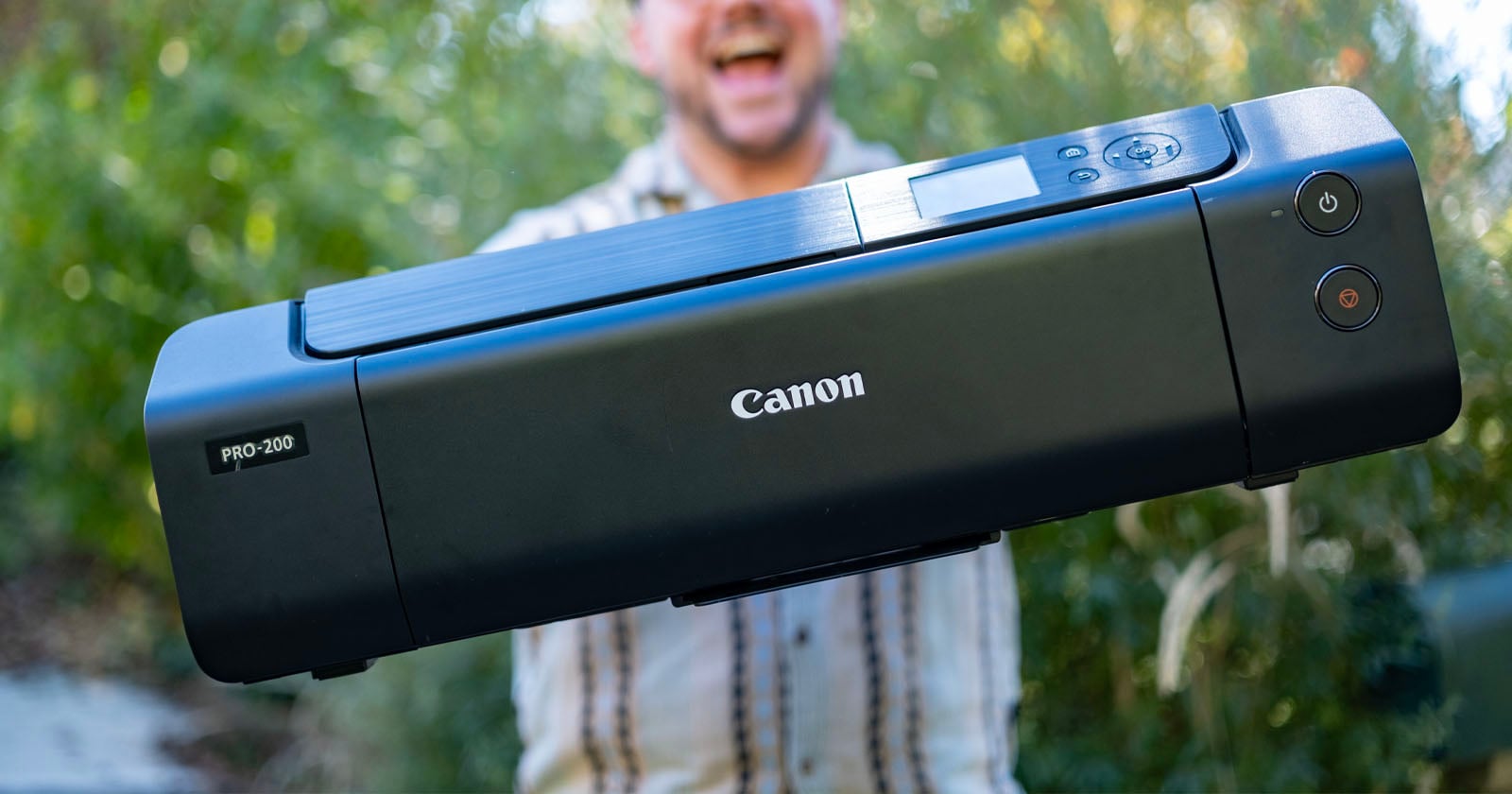
From Screen to Print: Curating Color That Feels Authentically Yours
We've all been there, pouring over an edit until the color feels perfect, only to have the print arrive flat, muddy, or just… wrong. It's frustrating. It's miserable. And yet, bridging the gap between screen and paper doesn't have to be a mystery. This guide demystifies the process with a curated, grounded approach to color that feels authentically yours. For another raw look behind the creative process, don't miss *The Unseen Frames of a Creative's Darkest Season*.
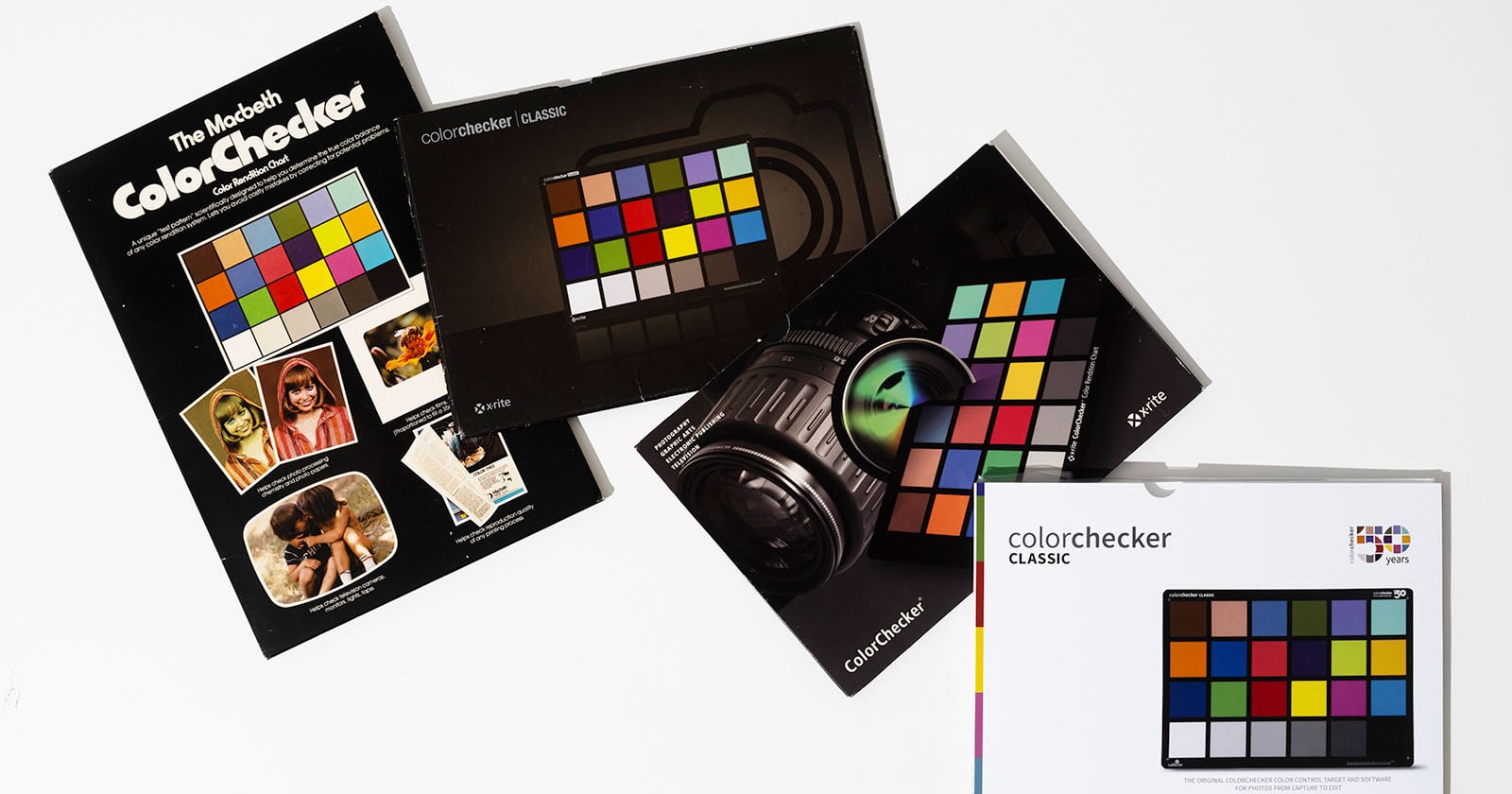
Fifty Years of Color Perfection: Celebrating the Iconic ColorChecker
Fifty years of flawless color. That's the quiet legacy of the Calibrite ColorChecker, a simple grid of 24 squares that has silently anchored the work of photographers everywhere. From humble family snapshots to the glossy pages of magazines and the walls of museums, it has been the steady hand behind true-to-life hues. We think that's a milestone worth celebrating, not just for its history, but for its enduring artistry. For more on how precision meets passion, explore our piece on PolarPro's Radial Filters.

Beyond the Viewfinder: Calibrating Your Camera's Screen for True Color.
There's a quiet frustration in not trusting the screen in your hand. In 2026, it struck me: so many friends skip in-camera rating because the display lies, or because they simply can't be bothered. But why accept that? Why can't an ICC profile turn that tiny screen into a true window, matching my iMac or iPhone, or even a printer's profile for on-site client proofs? It's a calibration dream worth chasing, especially as tools like the Leica Lux 2.