light pollution
light pollution on Lee LHGFX Photography: a running collection of 3 stories we have gathered and hand-picked because they are worth your time. Every post here touches on light pollution in some way — the news, the analysis, the deep dives, and the occasional surprise find. Lee LHGFX Photography is a dynamic portfolio and lifestyle hub built around the artistic work of @lee_lhgfx — a highly engaged Instagram creator and photographer known for… New stories are added to this page as we find them, so check back if you want to keep up with what is happening around light pollution, or subscribe to the RSS feed to get them as soon as they are published. Browse the collection below, or head back to the homepage to see everything Lee LHGFX Photography is covering right now.
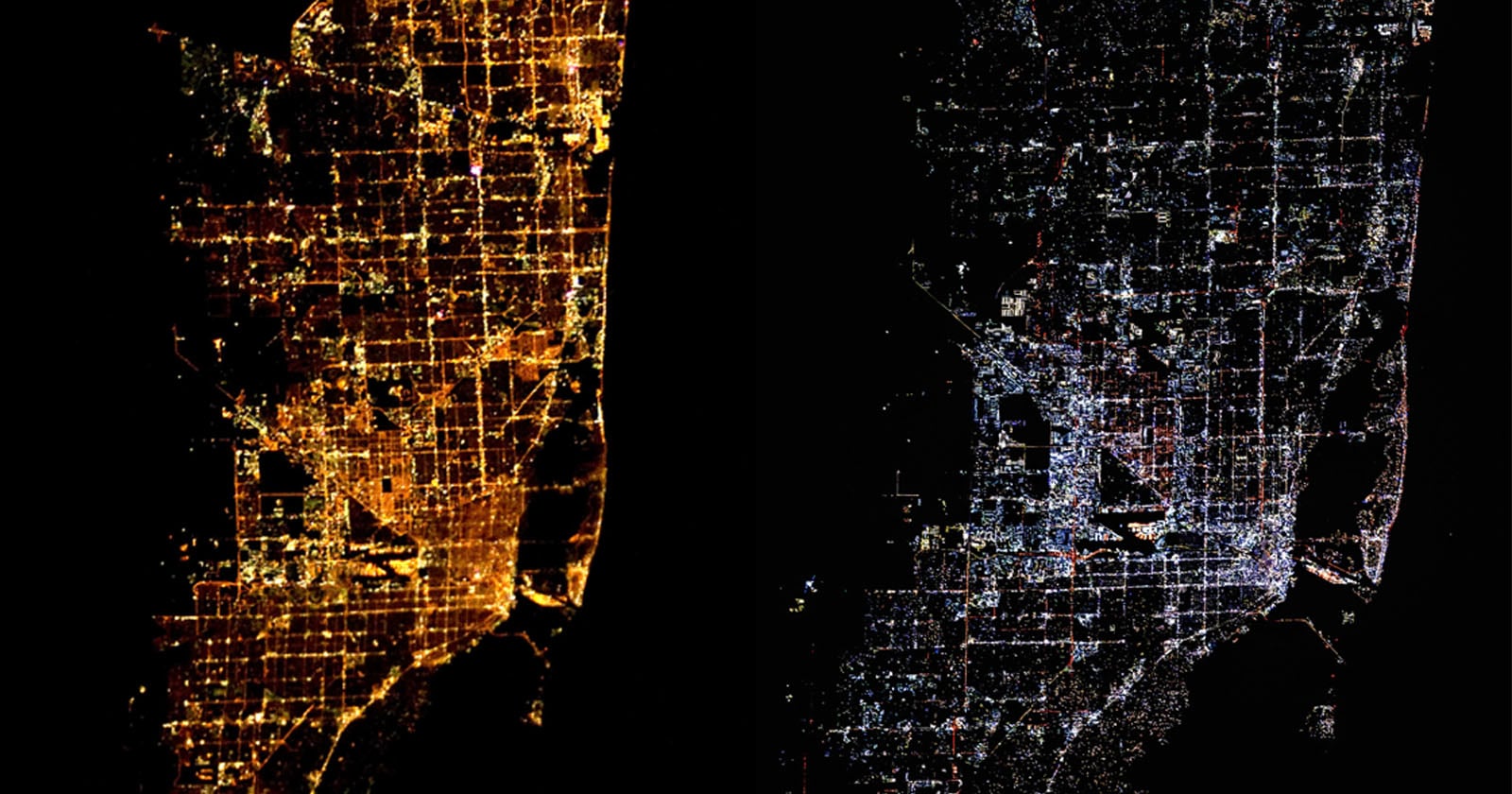
Astronaut’s Before-and-After Photos Show How Cities Switched From Orange to White Light
Over the past fifteen years, a striking shift has illuminated our planet. Astronauts’ before-and-after photos reveal a global transition: cities once glowing with warm, orange sodium vapor light now shine with brighter, white LED illumination. This transformation, captured from space, dramatically alters the nighttime aesthetic of urban landscapes. Explore this visual evolution and its implications—and consider the broader challenges to dark skies, as discussed in "Astronomers Could Be Permanently Blinded by Giant Reflecting Satellites"—through the linked article.

Astronomers Could Be Permanently Blinded by Giant Reflecting Satellites
Amateur astronomers and astrophotographers face a potentially significant challenge as massive reflecting satellites enter orbit. Experts caution these satellites possess the capacity to permanently blind observers. The reflective surfaces can generate intense flashes, posing a serious risk during nighttime observations. This emerging concern highlights the need for heightened awareness and protective measures within the astronomical community. For those interested in photographic innovation, consider our article on a photographer’s app designed for capturing solar eclipses.
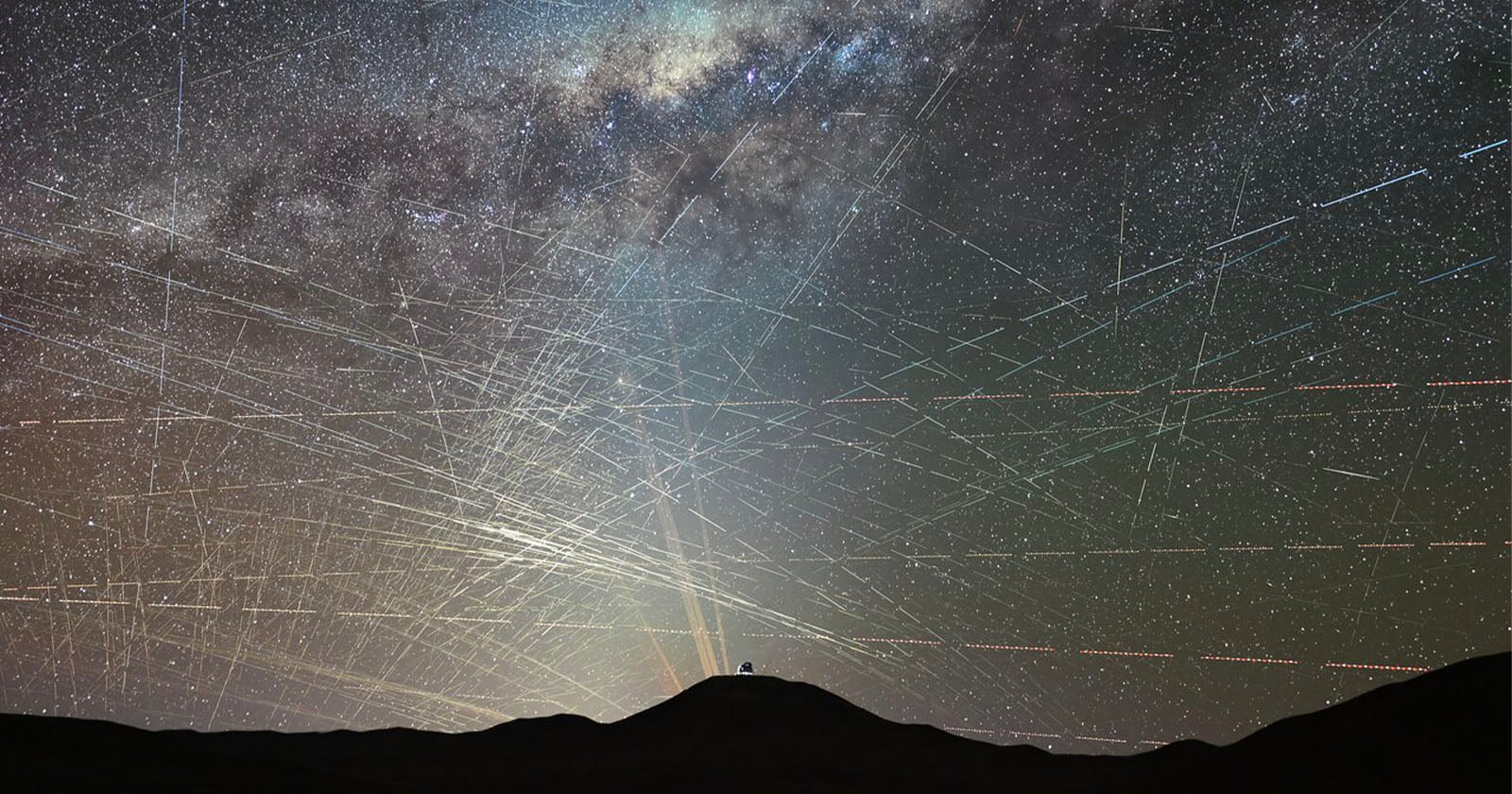
No More Than 100,000 Satellites in the Sky if We Want to Preserve Astronomy
The night sky, a source of wonder and scientific discovery, faces an unprecedented threat. Astronomers are voicing serious concerns over proposals to launch over 1.7 million satellites, with some potentially appearing as bright as stars. One astronomer warns that such a proliferation will have "devastating consequences" for our view of the Universe. This escalating situation highlights the need for careful consideration of space exploration's impact—a topic further explored in our article detailing NASA’s Psyche spacecraft’s recent observations of Mars.