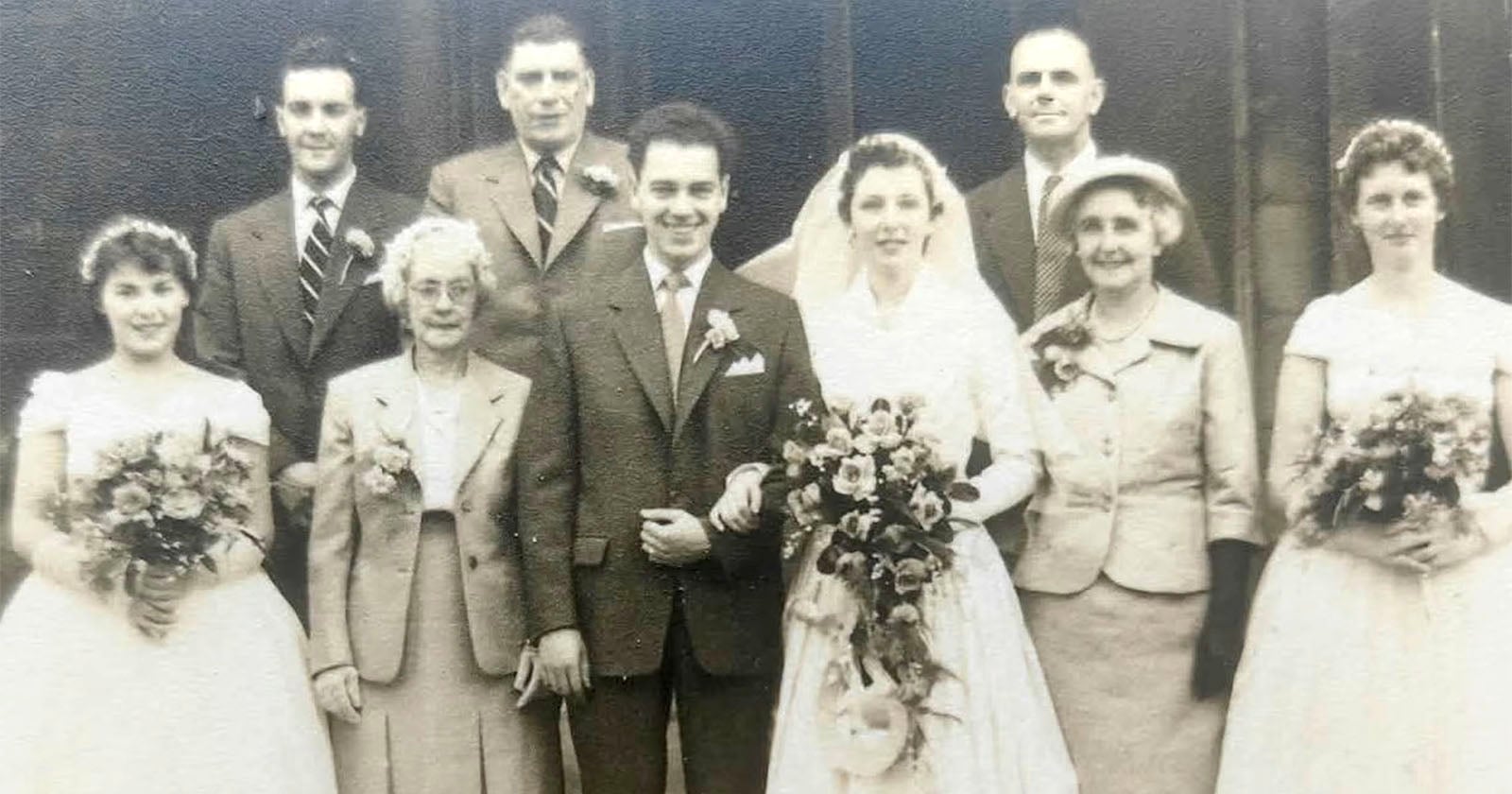
There is something quietly radical about a stranger choosing to return a lost wedding album. In an age when memory is often stored in the cloud and curated for likes, this act of resurrection feels almost sacred, a reminder that some stories refuse to be forgotten. We believe this reunion from 1957, traced by a local historian after the album was found abandoned outside a U.K. cafe, is not just a feel-good footnote. It is a testament to how we value legacy over convenience, and why preserving the analog artifacts of our lives matters more than ever.
The parallels with A curator's palette of film grains for your digital portraits are telling. We spend considerable time and resources simulating the warmth of film grain, the texture of an older era, precisely because something intangible is lost when images exist only as pixels. That album, found in the rain, still held the weight of a couple's day, the stiffness of a groom's collar, the soft focus of a churchyard. No filter can replicate the authenticity of an object that was actually there. And when Graciela Iturbide Joins Leica Hall of Fame with a Vision of Art and Light, she reminds us that photography's truest power lies in bearing witness, not in being flawless. This album was never meant to be perfect. It was meant to be kept.
What the historian understood, and what the man's late parents could never have predicted, is that a single recovered object can redraw the map of a family's memory. The son did not just receive photographs. He received proof that his parents once stood together, looked at a camera, and trusted the future to be kind. That is not sentimentalism, it is the practical foundation of how we tell our own lives. It is also a sharp contrast to The New School Portrait: AI Steps In Where Photographers Once Stood, where parents now remove watermarks and generate school portraits from algorithms. Both approaches try to capture a child's image. But one begins with a person present in the room, holding a camera, and the other begins with a prompt. The 1957 album belonged to a photographer who clicked the shutter at precisely the right moment. No prompt could replace that.
The concrete takeaway here is that we should handle our own physical archives with the same care a stranger extended to someone else's. Go through the shoebox. Label the back of the print. Because one day, the only thing left of a shared moment might be an object that a curious passerby decides is worth saving. The question worth watching is whether, in twenty years, anyone will bother to rescue a forgotten hard drive.