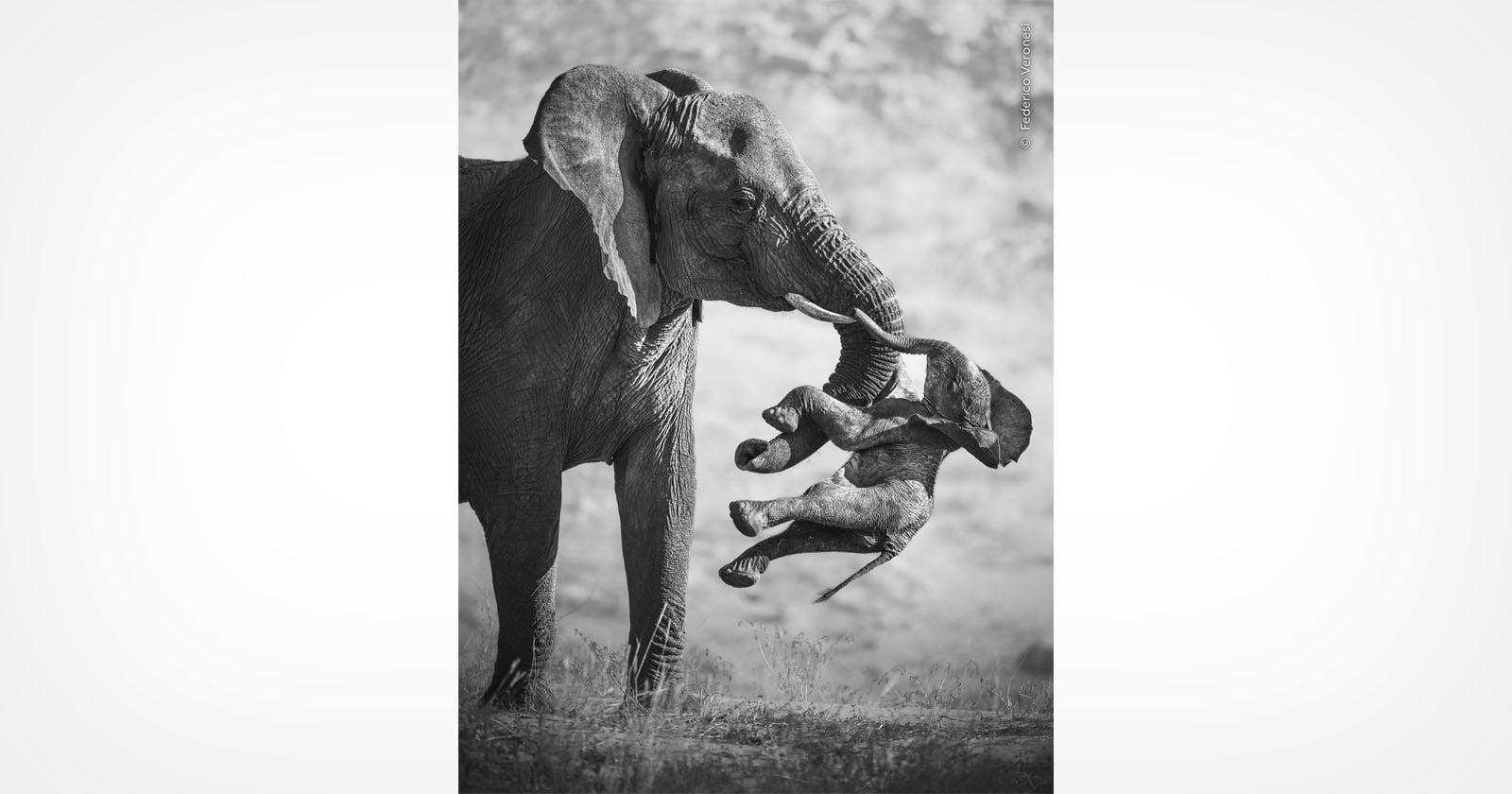
There is something profoundly unsettling about an image that makes us feel the full weight of another species' grief, and the winner of the Wildlife Photographer of the Year 2026 competition asks us to sit with that discomfort rather than look away. The photograph, an elephant mother carrying her dead calf, is not a document of nature's brutality but a portrait of love that refuses to end. It reminds us that the truest art does not decorate our world; it disrupts it. For our readers, who move between the curated edges of fashion, fitness, and visual culture, this image offers an urgent lesson: the most immersive experiences are not always beautiful in the conventional sense. They are authentic, raw, and they demand something of us.
This photograph belongs in the same conversation as the work explored in Behind the Lens: The Art and Power of Chicago's First Black-Owned Building, where Barbara Karant described a project that was "very unique" precisely because it refused to separate architecture from identity. Both images use light and composition not as decoration but as a tool for storytelling that carries cultural and emotional weight. Similarly, the stolen wedding photos in A Curated Collection of Memories, Held Hostage by a Single Act remind us that an image's value is never in its technical perfection, it is in what it holds for the people who see themselves in it. The elephant photograph holds something for all of us: a quiet challenge to reconsider what we think we know about animal consciousness and maternal instinct.
What makes this award significant is not the tragedy itself but the photographer's choice to frame grief as a subject worthy of our attention. In a media environment that often rewards spectacle over substance, this image refuses to sensationalize. It simply observes. The elephant does not pose; she carries. There is no dramatic action, no predator-prey chase, no golden-hour glow. There is only a mother, walking, unwilling to let go. That restraint is what elevates the photograph from a news image into an artistic statement. For anyone who creates, whether behind a camera, a sewing machine, or a yoga mat, the takeaway is clear: the most powerful work often comes from the quietest observations. You do not need to manufacture drama when you trust the truth of what is already there.
The concrete question this leaves for us is not about wildlife conservation, though that matters deeply. It is about what we choose to look at and why. If an image of an elephant carrying her dead calf can win the most prestigious wildlife photography prize in the world, what else have we been trained to scroll past? The challenge for our audience, creators, athletes, aesthetes, is to bring that same unwavering attention to the details in our own lives: the curve of a seam, the arc of a breath, the weight of a quiet moment. That is where the real story lives.