Biggest 2D Map of the Universe Took 13 Years and 263,407 Photos to Make
Our take
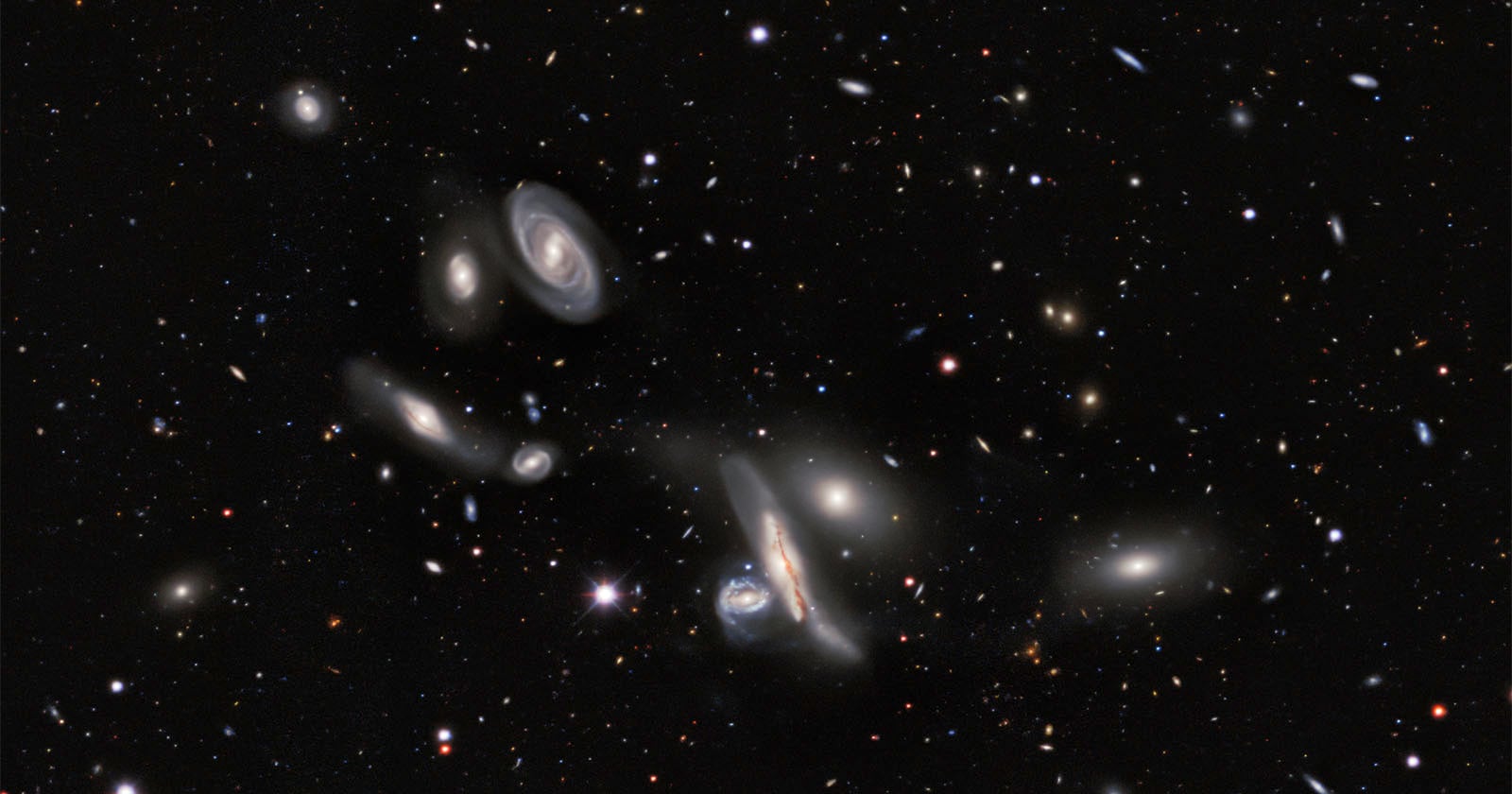
The unveiling of the DESI Legacy Imaging Surveys map, the largest 2D representation of the universe ever created, is a moment that resonates far beyond the scientific community. It’s a testament to human curiosity and our relentless pursuit of understanding the cosmos. This monumental project, spanning 13 years and utilizing a staggering 263,407 photographs captured by NSF NOIRLab telescopes, offers a breathtaking glimpse into the vastness of space, providing invaluable data for astronomers and cosmologists alike. The sheer scale of the catalog, encompassing nearly four billion objects, is almost incomprehensible and represents a profound leap forward in our ability to map and analyze the universe. We've been consistently impressed by the capabilities of modern telescopes, as demonstrated by the stunning imagery recently released from the James Webb Space Telescope, Webb Space Telescope Helps a Cosmic Lion Roar Life, and the ongoing discoveries stemming from its observations. The DESI map complements these advancements, providing a crucial foundation for interpreting the data gleaned from instruments like JWST.
The significance of this map lies not just in its size, but in the potential for discovery it unlocks. By meticulously charting the positions and brightnesses of billions of galaxies, scientists can study the large-scale structure of the universe, track its expansion over time, and test fundamental cosmological models. The data will be instrumental in refining our understanding of dark matter and dark energy, the mysterious forces that dominate the universe's composition and evolution. Consider, for example, the incredible detail offered by the James Webb Space Telescope when it "opens up a cosmic treasure chest," James Webb Space Telescope Opens Up a Cosmic Treasure Chest, revealing previously unseen structures within nebulae and galaxies. This new map will provide the context needed to interpret these detailed observations within the broader cosmic landscape. It’s also fascinating to consider how technological advancements in other fields, even seemingly unrelated ones, can influence space exploration, as hinted at by the recent discussion surrounding a potential Nikon camera leak attributed to Apple Did Apple Just Spoil an Upcoming Nikon Camera.
Beyond the scientific implications, the DESI map serves as a powerful reminder of the beauty and grandeur of the universe. The visualization of billions of galaxies, spread across three-quarters of the sky, evokes a sense of awe and wonder. It’s a visual representation of the interconnectedness of all things, highlighting our place within the vast cosmic tapestry. The project itself exemplifies the collaborative spirit of scientific endeavor, bringing together researchers from around the world to achieve a common goal. The dedication and meticulousness required to compile such a comprehensive dataset are truly remarkable, demonstrating the power of sustained effort and innovation. This endeavor moves beyond simple data collection; it’s a curated portrait of the cosmos, inviting exploration and inspiring a deeper appreciation for the universe we inhabit.
Looking ahead, the DESI Legacy Imaging Surveys map will undoubtedly serve as a cornerstone for future astronomical research. It will be used to cross-reference with data from other telescopes and surveys, providing a more complete picture of the universe. The map’s vast dataset will also be accessible to citizen scientists, allowing them to contribute to the ongoing exploration of the cosmos. As technology continues to advance, and new telescopes come online, we can anticipate even more detailed and expansive maps of the universe. The question becomes: what new revelations will these increasingly sophisticated mappings unveil about the origins, evolution, and ultimate fate of our universe, and how will they reshape our understanding of our place within it?
Scientists have used a pair of NSF NOIRLab telescopes for 13 years to create the new DESI Legacy Imaging Surveys map. It is the largest 2D map ever of the Universe and covers three-quarters of the sky. The catalog has nearly four billion objects.
Read on the original site
Open the publisher's page for the full experience