Canon Is Developing a Lens Coating Without PFAS-Laden Fluorine
Our take
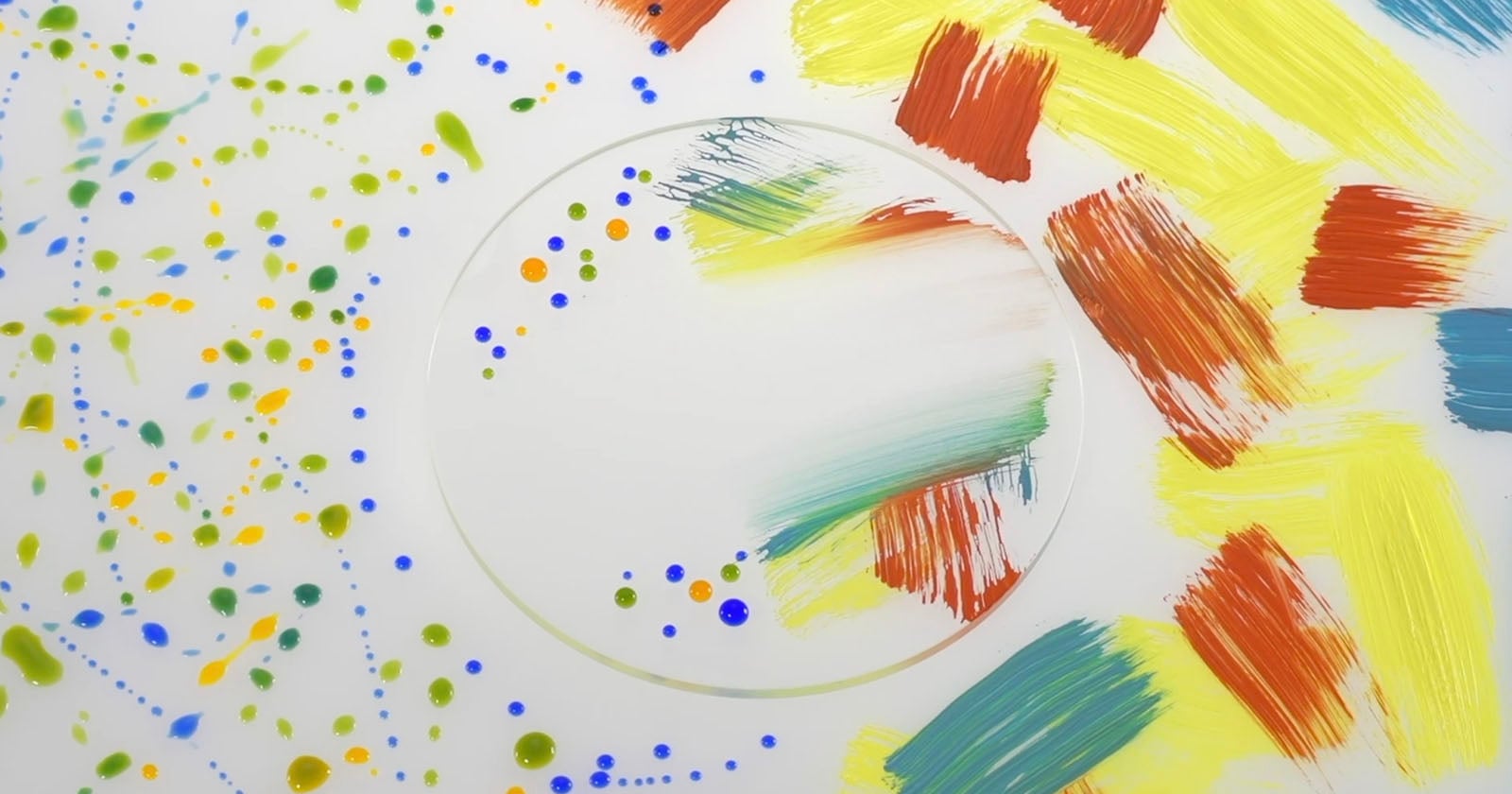
Canon's commitment to developing a fluorine-free optical coating marks a significant shift within the photography industry, one that resonates deeply with our audience’s appreciation for both technological innovation and environmental responsibility. For years, the industry has relied on PFAS-laden fluorine compounds to create the durable, water-repelling coatings essential for lens protection. However, the growing awareness of the detrimental environmental and health impacts of PFAS – often referred to as "forever chemicals" – has spurred a necessary search for alternatives. This isn’t merely a technical adjustment; it’s a reflection of a broader cultural movement towards sustainable practices, a value we know our readers share. As we’ve explored in pieces like This was the World’s Best Flash for Photographers, innovation often arises from addressing unforeseen challenges, and this situation is no different. The desire for high-performance equipment shouldn't come at the expense of our planet's wellbeing.
The implications of Canon’s research extend beyond simply eliminating a problematic chemical. It represents a fundamental rethinking of how we achieve optical performance. Replicating the water-repelling and durability properties of fluorine without relying on PFAS is a considerable engineering feat. It suggests a potential paradigm shift in materials science within the photography space, pushing researchers to explore entirely new chemical compositions and coating techniques. Consider, too, the broader implications for camera equipment longevity and repairability. While we recently assessed the continued appeal of cameras like the Canon PowerShot G1, the sustainability of these devices relies not just on their initial build quality, but also on the availability of durable components and repair options. A fluorine-free coating could contribute to longer-lasting lenses, reducing electronic waste and aligning with a more circular economy. The fact that Canon is investing in this area demonstrates a forward-thinking approach that resonates with the conscientious consumer.
The development isn’t just about responsible manufacturing; it's about responding to evolving consumer expectations. Photographers, particularly those engaged in professional work or with a keen interest in conservation photography, are increasingly mindful of the environmental footprint of their gear. The ability to purchase high-performance lenses knowing they are free from harmful chemicals represents a tangible step towards a more sustainable practice. Furthermore, this initiative could influence other major manufacturers to accelerate their own research into PFAS-free alternatives, creating a ripple effect across the industry. We’ve also highlighted the importance of battery life in cameras like the 3 Canon Cameras With Exceptional Battery Life, and a similar focus on long-term sustainability, encompassing material choices, is a natural progression.
Canon’s work on this fluorine-free coating is a testament to the power of innovation driven by ethical considerations. While the timeline for widespread availability remains to be seen, the commitment itself signals a positive direction for the photography industry. The challenge now lies in ensuring that the performance of these new coatings matches, or even surpasses, that of their predecessors, without compromising on durability or optical quality. Will this development inspire a broader wave of sustainable material sourcing across all camera components, or will it remain a focused effort on lens coatings? That's a question we'll be watching closely as the industry evolves.
Canon is working on a fluorine-free optical coating that offers the same water-repelling qualities and durability of fluorine, but without the PFAS problems.
Read on the original site
Open the publisher's page for the full experience