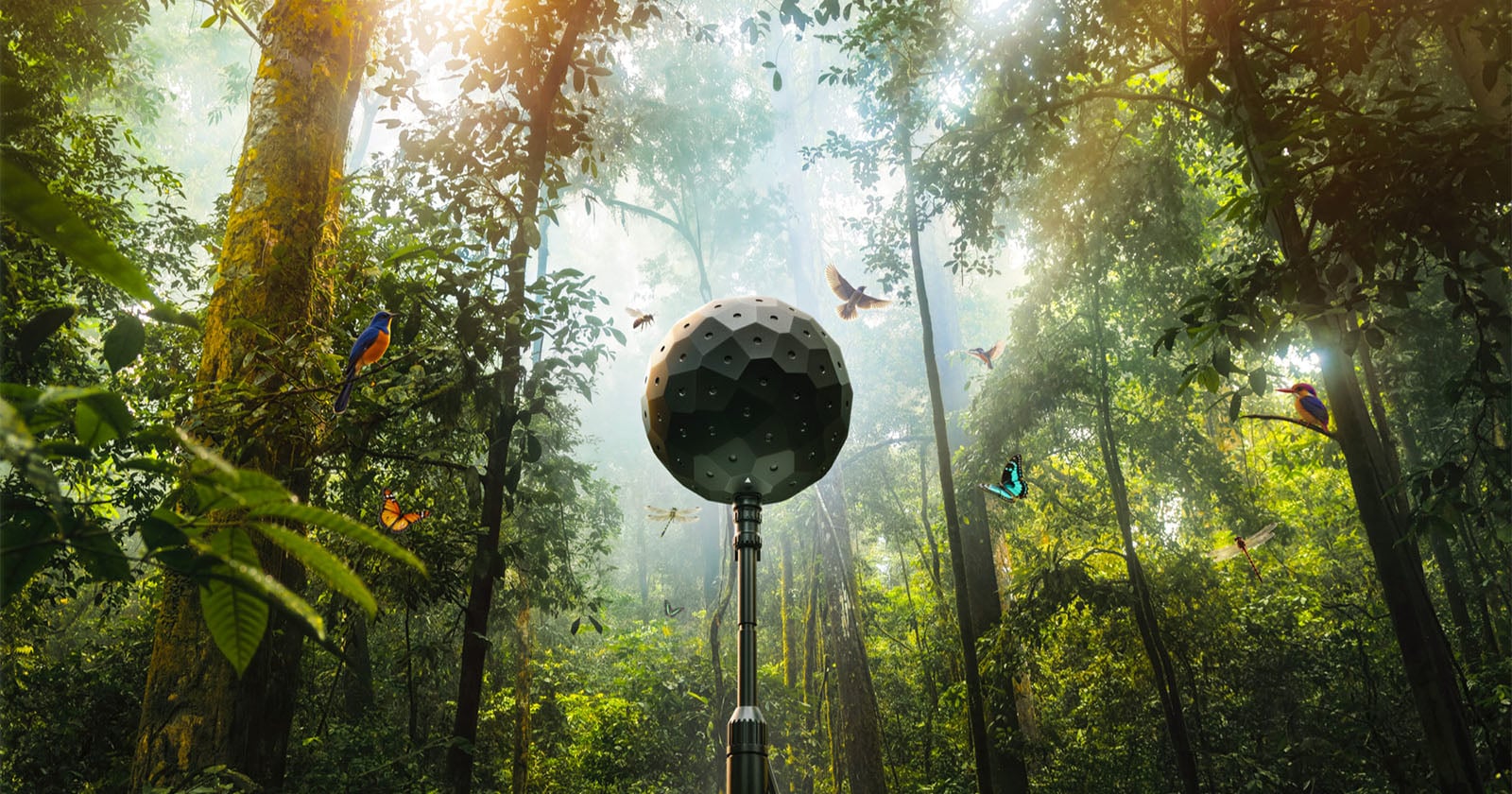
Sound is the final frontier of immersion, and Blackmagic Design has just handed creators the key. The new Ambisonic Microphone, a sculptural 108-microphone array, is not a niche tool for audio engineers, it is a direct challenge to every filmmaker, artist, and content maker who has ever settled for flat, two-dimensional sound. Our take is simple: this device closes the gap between what we see and what we feel, and that changes the creative calculus for anyone working in spatial storytelling.
For years, we have chased visual perfection, higher resolutions, richer color science, smoother motion. But a breathtaking 8K frame loses its spell when the audio pulls you back into a speaker. Blackmagic's Ambisonic Microphone captures reality in the round, encoding direction, distance, and atmosphere into a single track that adapts to any playback system, from headphones to a Dolby Atmos theater. This is not about gear acquisition; it is about a new grammar for narrative. Consider how Touch the Future of Editing as DaVinci Resolve Meets Apple's New Touchscreen Mac reimagined the tactile relationship between editor and timeline, now Blackmagic asks us to reimagine the relationship between audience and environment. When a viewer turns their head in a VR headset or shifts in a cinema seat, the sound should turn with them. This microphone makes that fidelity attainable without a truck full of gear.
The practical implications ripple beyond high-end production. If you are a fitness creator filming a yoga flow in a forest, spatial audio places the viewer inside that quiet space, not outside it. If you are a fashion filmmaker capturing the rustle of silk on a runway, the mic preserves the texture of the room, the footsteps, the breath. This aligns with a broader cultural shift we explored in When Art Imitates Code: ASAP Rocky Faces Claims of AI-Driven Appropriation, where the line between authentic creation and technical shortcut blurs daily. Blackmagic's approach feels like the antidote: a tool that demands you go into the world and record it as it is, not simulate it later in software. The 108-microphone sphere is a statement, capture the truth of a space, then let your audience inhabit it.
The specific takeaway for our readers is this: spatial audio is no longer a post-production luxury reserved for blockbuster budgets. With a single, elegantly designed microphone that plugs directly into a camera or recorder, Blackmagic has made immersion a baseline expectation. The open question now is whether the editing tools will keep pace. Blackmagic owns DaVinci Resolve, and we have seen how Hear the Rhythm of Speed Ramp Transitions in Motion already treats sound as a sculptural element in the timeline. If the company builds ambisonic-native workflows into Resolve, the entire pipeline, capture, edit, deliver, becomes a single, seamless ecosystem. That is the detail to watch: not the mic itself, but what it unlocks in the edit suite. The future of storytelling is round, and Blackmagic just gave us the mold.