Elon Musk’s xAI Sues Minnesota Days Before State Ban on AI Nudification Apps
Our take
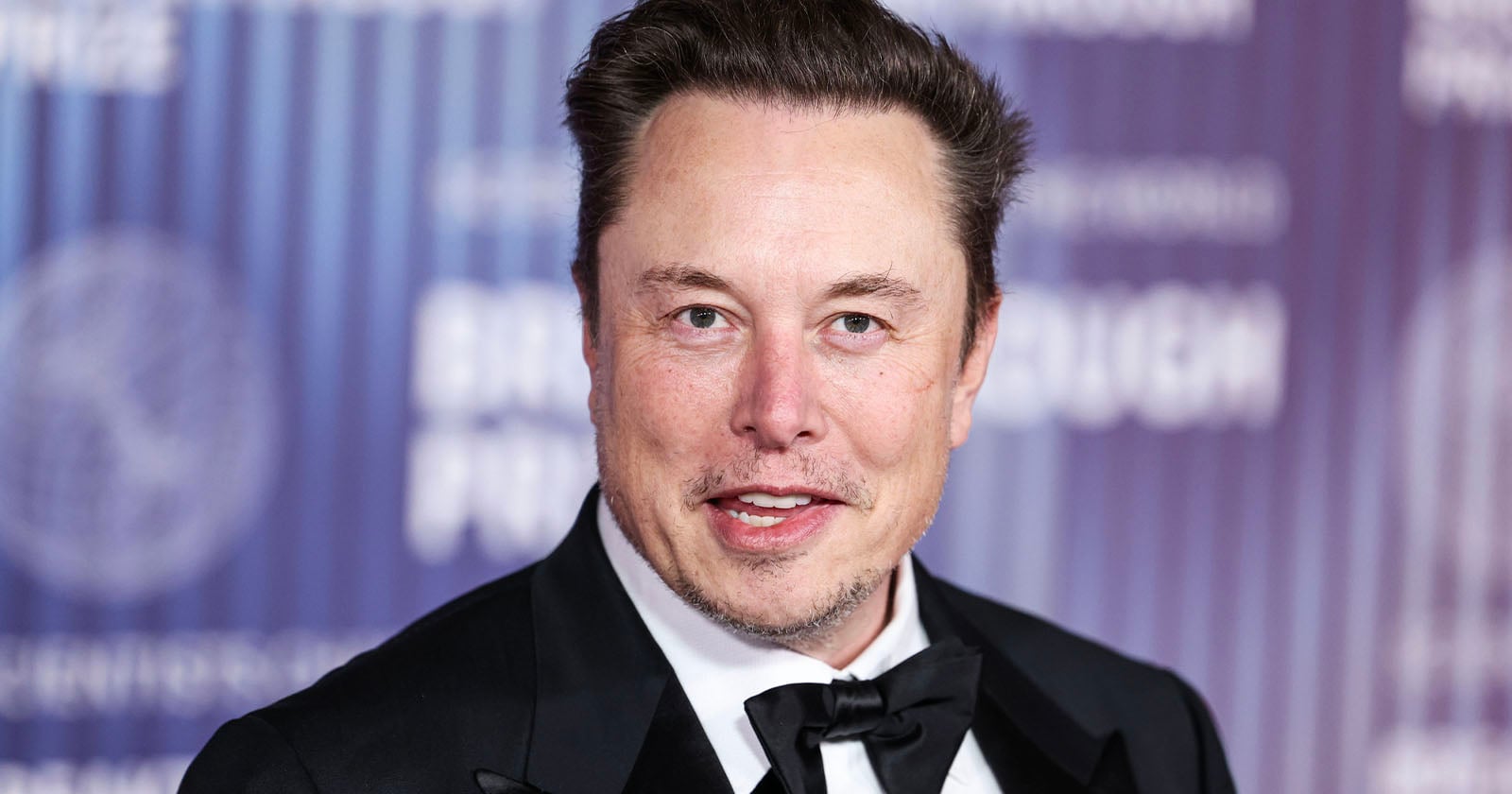
The legal skirmish between xAI and the state of Minnesota, unfolding just days before Minnesota's ban on AI “nudification” apps takes effect, is more than a localized dispute; it represents a crucial inflection point in the rapidly evolving landscape of AI regulation and creative freedom. xAI’s lawsuit, spearheaded by Elon Musk's ambition to push the boundaries of AI capabilities, challenges the legality of the ban, arguing it infringes on free speech and stifles technological innovation. This echoes similar concerns raised elsewhere, as evidenced by Meta's aggressive scanning of Instagram posts to improve its AI algorithms [Meta Says It Has Scanned Every Single Public Instagram Post] and the EU's impending requirement to label realistic AI-generated images [EU to Require Labels on Realistic AI Images From Sunday]. The timing is particularly noteworthy, underlining the urgency with which lawmakers are attempting to grapple with the ethical and societal implications of increasingly sophisticated AI models. The core issue isn't simply about "nudification"; it's about defining the limits of permissible AI expression and the balance between protecting vulnerable populations and safeguarding the potential of this transformative technology.
The Minnesota law, designed to curb the creation and distribution of AI-generated images that sexualize individuals without their consent, highlights a growing anxiety surrounding deepfakes and the potential for misuse of AI. However, xAI’s argument centers on the potential for broad overreach, suggesting the law could inadvertently restrict legitimate artistic expression and the development of AI tools with beneficial applications. Consider, for example, the increasing legal battles surrounding image rights and the complexities of AI-generated art; the lines are becoming increasingly blurred. The case also draws parallels to recent events involving data privacy and digital evidence, such as the prosecution of an American man for allegedly deleting photos from his phone during an airport search [American Man Charged After Allegedly Wiping Photos From His Phone During Airport Search]. These incidents underscore the challenges of applying existing legal frameworks to emerging technologies and the need for nuanced regulations that address the unique risks while preserving innovation. The lawsuit itself is a strategic move by xAI, designed to not only challenge the Minnesota law but also to shape the broader legal discourse surrounding AI regulation.
The implications of this case extend far beyond Minnesota. A victory for xAI could set a precedent that limits the ability of states to regulate AI-generated content, potentially hindering efforts to protect individuals from exploitation and misuse. Conversely, a ruling in favor of Minnesota would reinforce the authority of states to enact laws that address the societal harms posed by AI, potentially influencing similar legislation across the country. The legal arguments are complex, touching on issues of free speech, intellectual property, and the definition of “harmful” content. This case will likely be closely watched by AI developers, legal scholars, and policymakers alike, as it navigates the delicate balance between fostering innovation and protecting individual rights. The very definition of what constitutes “nudification” in the context of AI will be parsed and debated, highlighting the subjective and evolving nature of these issues.
Looking ahead, this legal battle foreshadows a period of intensified scrutiny and regulation of AI technologies. The question is not *if* AI will be regulated, but *how*. Will regulations be narrowly tailored to address specific harms, or will they adopt a more sweeping approach that could stifle innovation? The resolution of the xAI vs. Minnesota case, along with the ongoing development of the EU’s AI Act and similar initiatives worldwide, will shape the future of AI development and deployment for years to come. The need for a thoughtful and adaptable regulatory framework that balances ethical concerns with technological progress is clear, and this case represents a critical test of our ability to navigate this complex terrain. What safeguards, beyond legislation, will be required to ensure responsible AI development and prevent the erosion of trust in these powerful tools?
xAI, Elon Musk's artificial intelligence company that's behind Grok, has sued Minnesota just days before the state's landmark bill banning nudification apps comes into effect.
Read on the original site
Open the publisher's page for the full experience