ethics
Lee LHGFX Photography keeps ethics in one place: 11 stories so far. The section currently leads with “Artistry's New Frontier: Nikon Pulls the Prize When AI Breaks the Frame”, “The Human Hand Remains the Sacred Brush in the Age of the Algorithm”, and “Artistic Integrity Meets Digital Deception as AI Alters Political Reality”. A single frame of glowing, microscopic life can win a global competition, until the tool that shaped it breaks the rules. Pope Leo has once again drawn a line in the digital sand, declaring that the human hand remains the sacred brush in an age ruled by algorithms. Lee LHGFX Photography is a dynamic portfolio and lifestyle hub built around the artistic work of @lee_lhgfx — a highly engaged Instagram creator and… The list below is every ethics story on Lee LHGFX Photography, newest first.

Artistry's New Frontier: Nikon Pulls the Prize When AI Breaks the Frame
A single frame of glowing, microscopic life can win a global competition, until the tool that shaped it breaks the rules. Nikon has disqualified the winner of its Small World in Motion contest after determining the video relied on artificial intelligence in ways the contest explicitly forbids. It's a striking reminder that artistry and technology now share a delicate, curated boundary. For more on how light and motion shape creative work, explore our piece on Godox's new ring light.
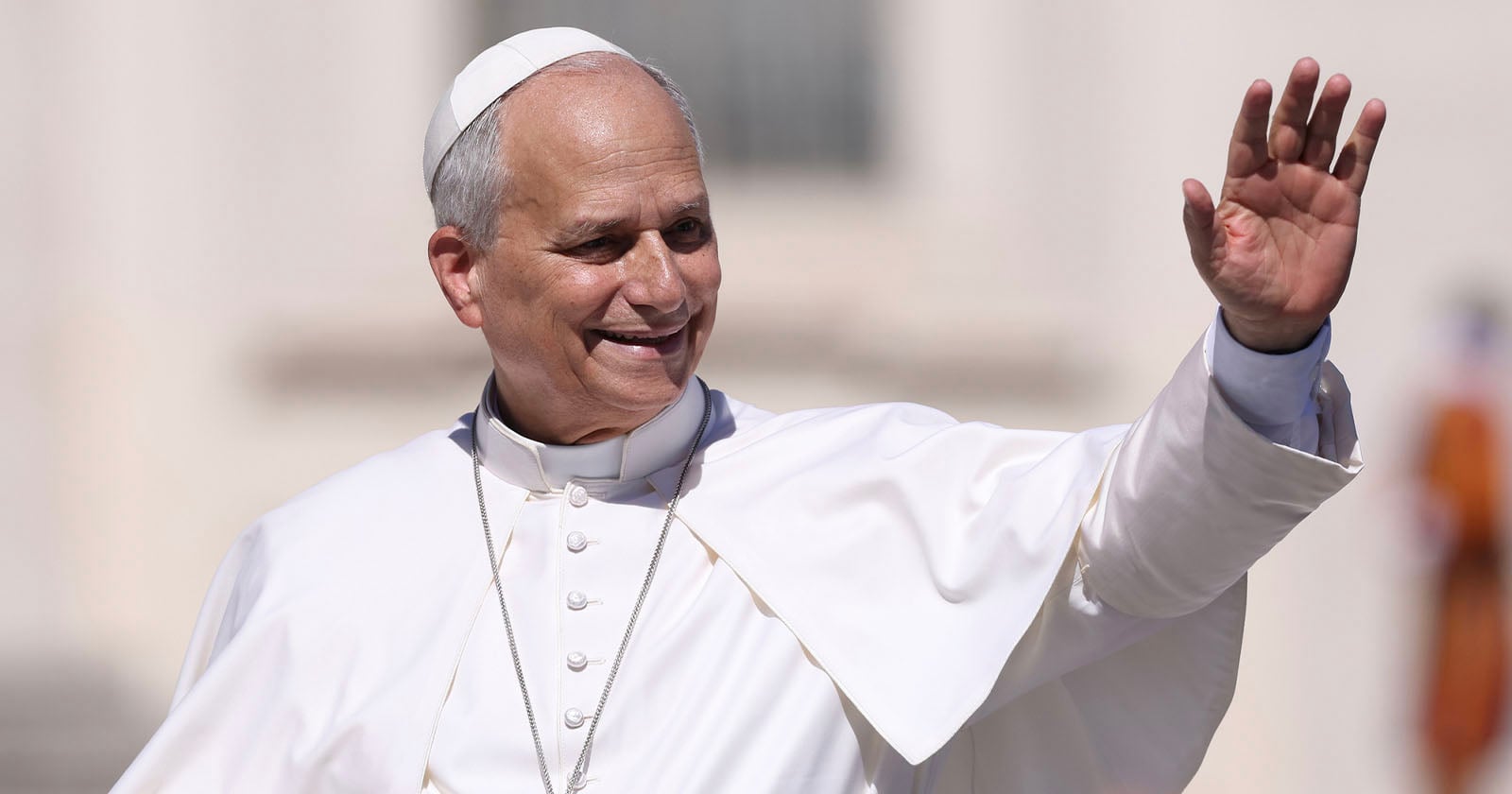
The Human Hand Remains the Sacred Brush in the Age of the Algorithm
Pope Leo has once again drawn a line in the digital sand, declaring that the human hand remains the sacred brush in an age ruled by algorithms. His message is clear: the Church needs artists, not just outputs. It is a striking stance, one that feels both timeless and urgently contemporary. For those of us who believe creativity is more than data, his words resonate deeply.
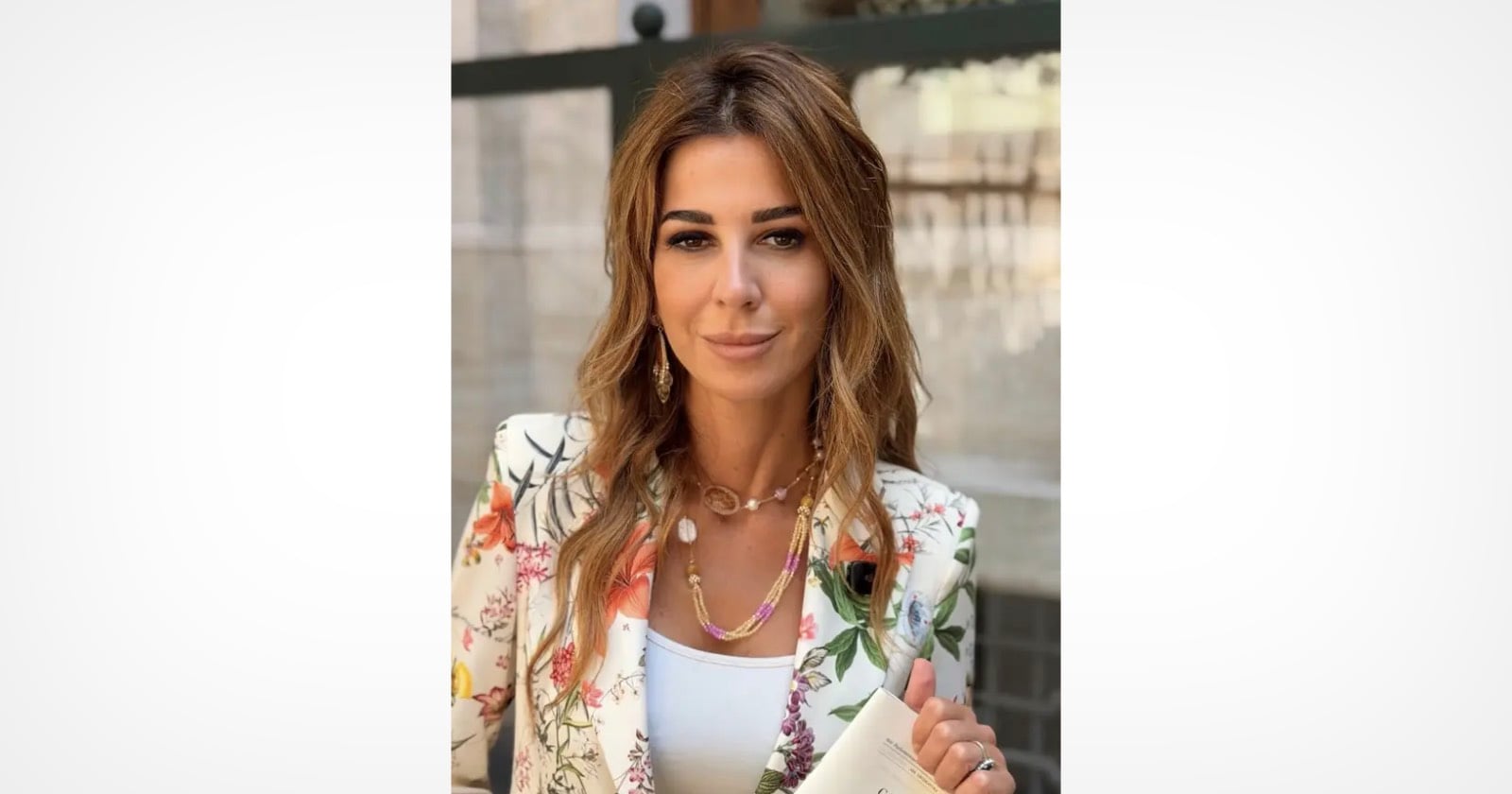
Artistic Integrity Meets Digital Deception as AI Alters Political Reality
An Italian politician has shared an AI-manipulated image that digitally "undresses" a female colleague, crossing a line between digital artistry and outright deception. This comes months after the country's prime minister herself released a deepfake nude to warn of the technology's dangers. The contrast is jarring, one woman warns, another weaponizes. It feels less like innovation and more like a violation dressed in pixels. For more on how AI blurs truth and trust, see our piece on OpenAI's leaked private images.

Aspirational Image, Unexpected Exit: CEO Departs After AI Photo
A single AI-edited photo, a matching set of sweatshirts, and a sudden exit from the corner office. The CEO's departure feels less like a scandal and more like a curated misstep, a moment where aspiration tipped into artifice. We appreciate a polished aesthetic, but authenticity is the thread that holds trust together. When the image breaks from reality, so does the narrative. It is a sharp reminder that in our visual world, perception is a fragile currency.

AI Alters Student Image, Raising Questions of Identity and Policy
A single image can quietly upend a campus. Stanford University found itself at the center of a heated debate after it used AI to swap a Hispanic male student for a Black female student in a school photograph, a move that directly contradicted its own policies. It is a misstep that feels less like malice and more like a careless stumble into a complex new reality. The act raises urgent questions about identity, consent, and the ethical guardrails we have yet to build.
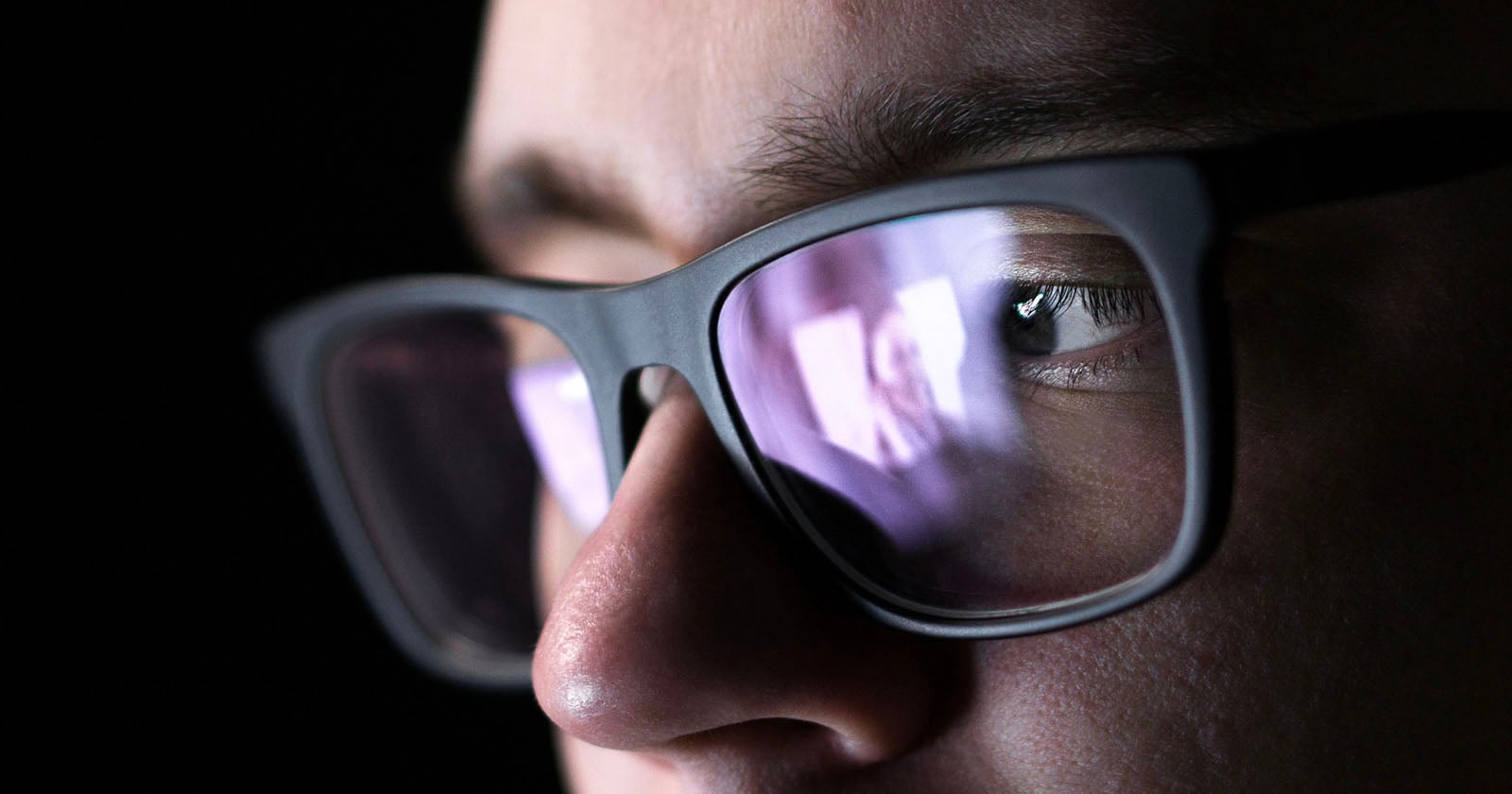
Privacy in Focus: Norway Considers Ban on Secret-Recording Glasses
Norway is drawing a line in the sand, and we're here for it. The prospect of camera-equipped smart glasses quietly capturing strangers in public spaces feels less like innovation and more like an intrusion. Banning them isn't about fearing technology; it's about protecting the simple right to move through the world unrecorded. It's a bold, necessary stance that prioritizes human dignity over gadgetry.
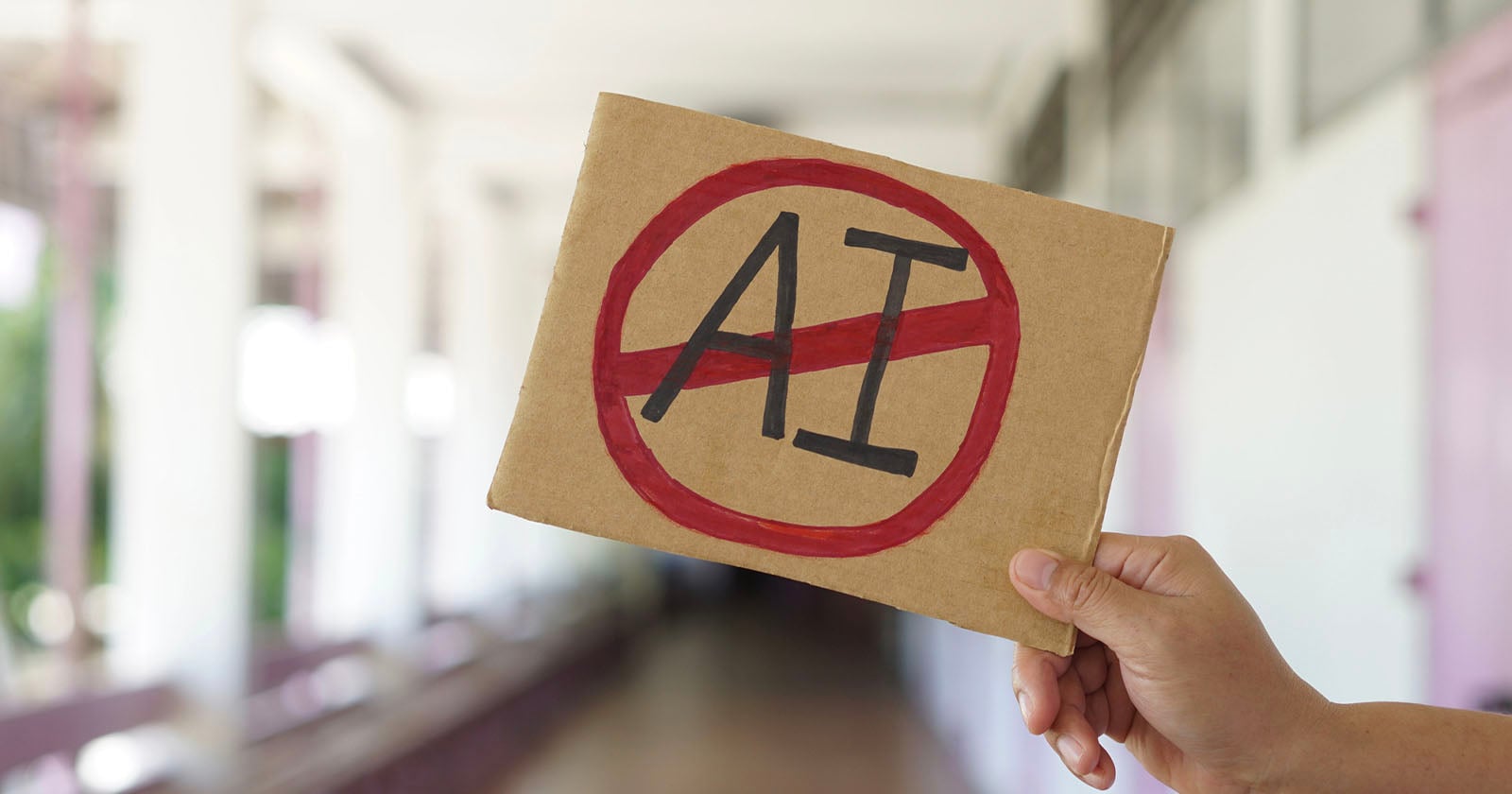
Photographer's App Data Mishap Finds Unexpected Resolution
Last week, PetaPixel reported that Cara, an anti-AI photo app, had its entire content scraped into a dataset without consent. It turns out this story has a happy ending, one that feels almost curated by design. The resolution arrives not with a heavy hand, but with a quiet sense of justice. We love seeing authenticity win.
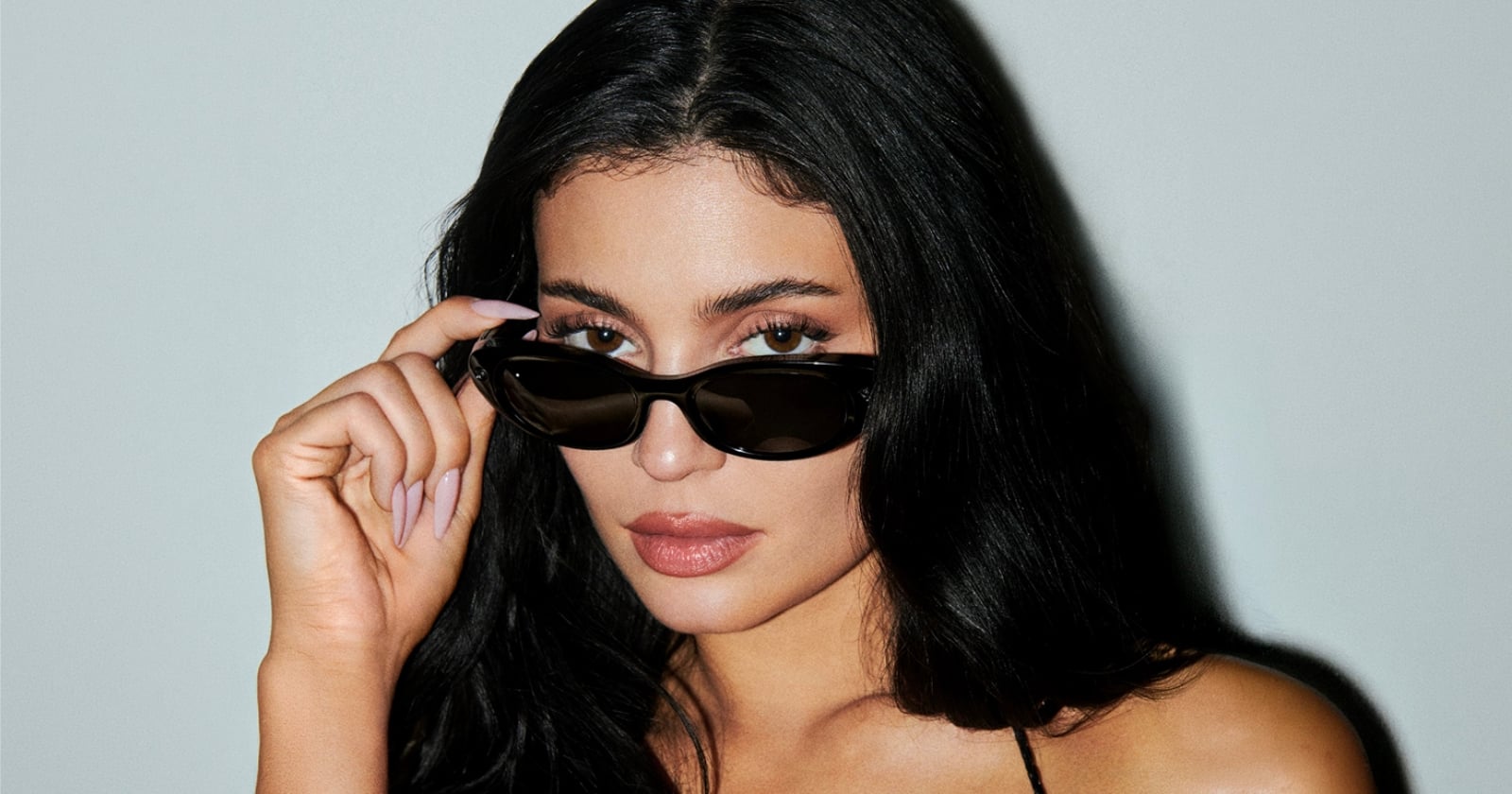
Beyond the Ban: Unfiltered Moments Challenge Instagram's Oversight
Instagram said it would ban videos filmed on Meta smart glasses that harass women in public. Then, the ban quietly stopped working. Beyond the Ban: Unfiltered Moments Challenge digs into that gap, where policy meets reality. It is a frustrating, familiar space. We appreciate a good follow-through, and this one feels hollow. For more on how platforms stumble over their own rules, our piece on Trump's altered image offers a timely parallel. Read the full story here.
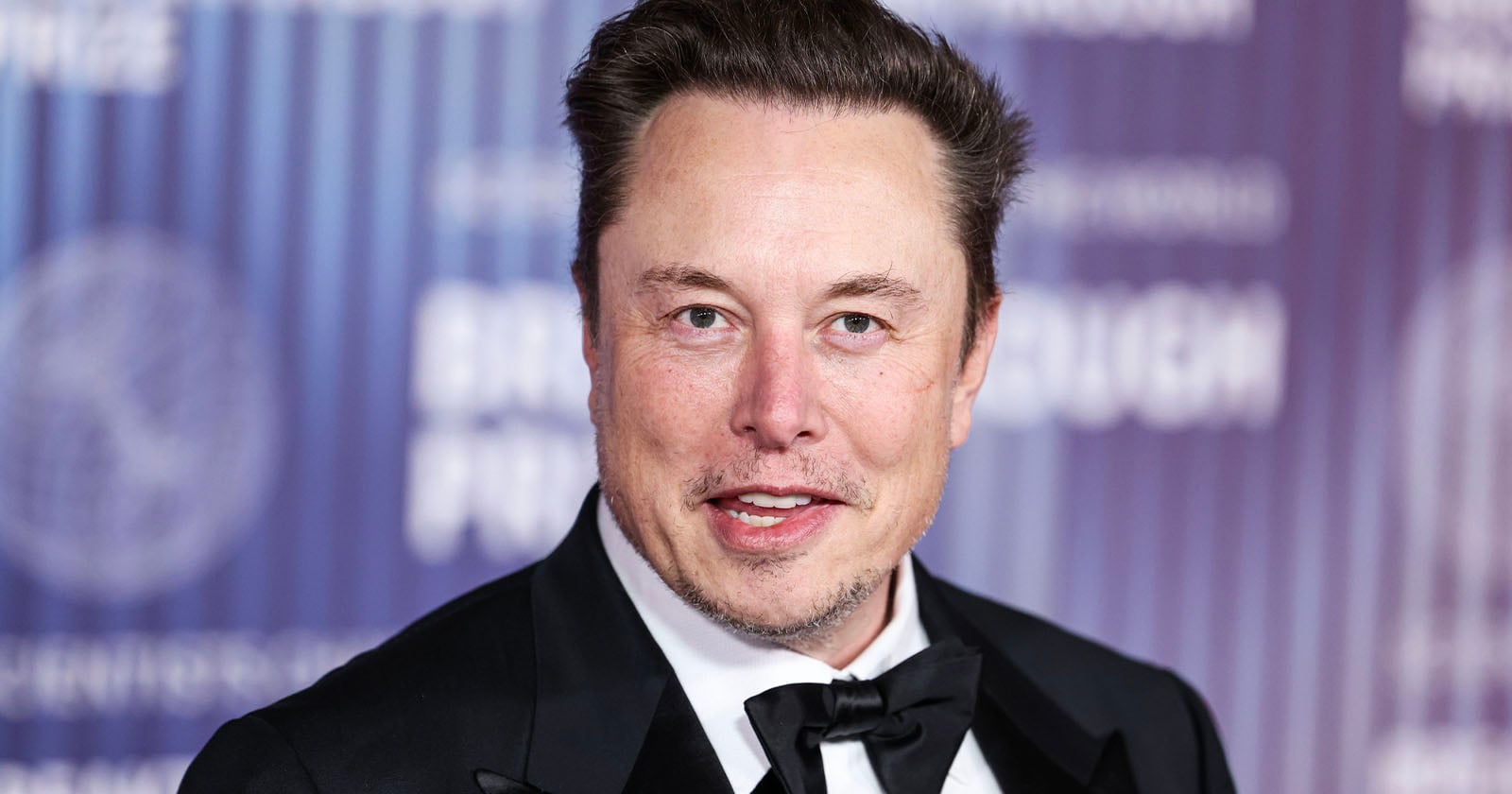
xAI Challenges Minnesota's AI Nudification App Ban in Last-Minute Suit
With the clock ticking toward Minnesota's landmark ban on AI nudification apps, xAI has stepped in with a last-minute suit. It's a bold move, challenging a law that feels both necessary and thorny. We're watching this closely, not just for the legal stakes, but for what it says about creative freedom versus protection. The timing is dramatic, and the outcome could ripple far beyond the Midwest. For more on how tech and boundaries collide, our piece on Nikon's lens lawsuit offers a fitting echo.

xAI Sues Over Grok's Alleged Use in Creating Harmful Deepfakes
A man allegedly used xAI's Grok to generate child sexual abuse material, and now Musk's startup is fighting back with a lawsuit. It's a stark reminder that even the most aspirational tools can be twisted into something deeply harmful. We've seen similar creative ownership battles play out elsewhere, like in our piece on Nikon's lawsuit over the Z-mount. This isn't just legal action; it's a necessary stand for ethical boundaries in an immersive, AI-driven world.
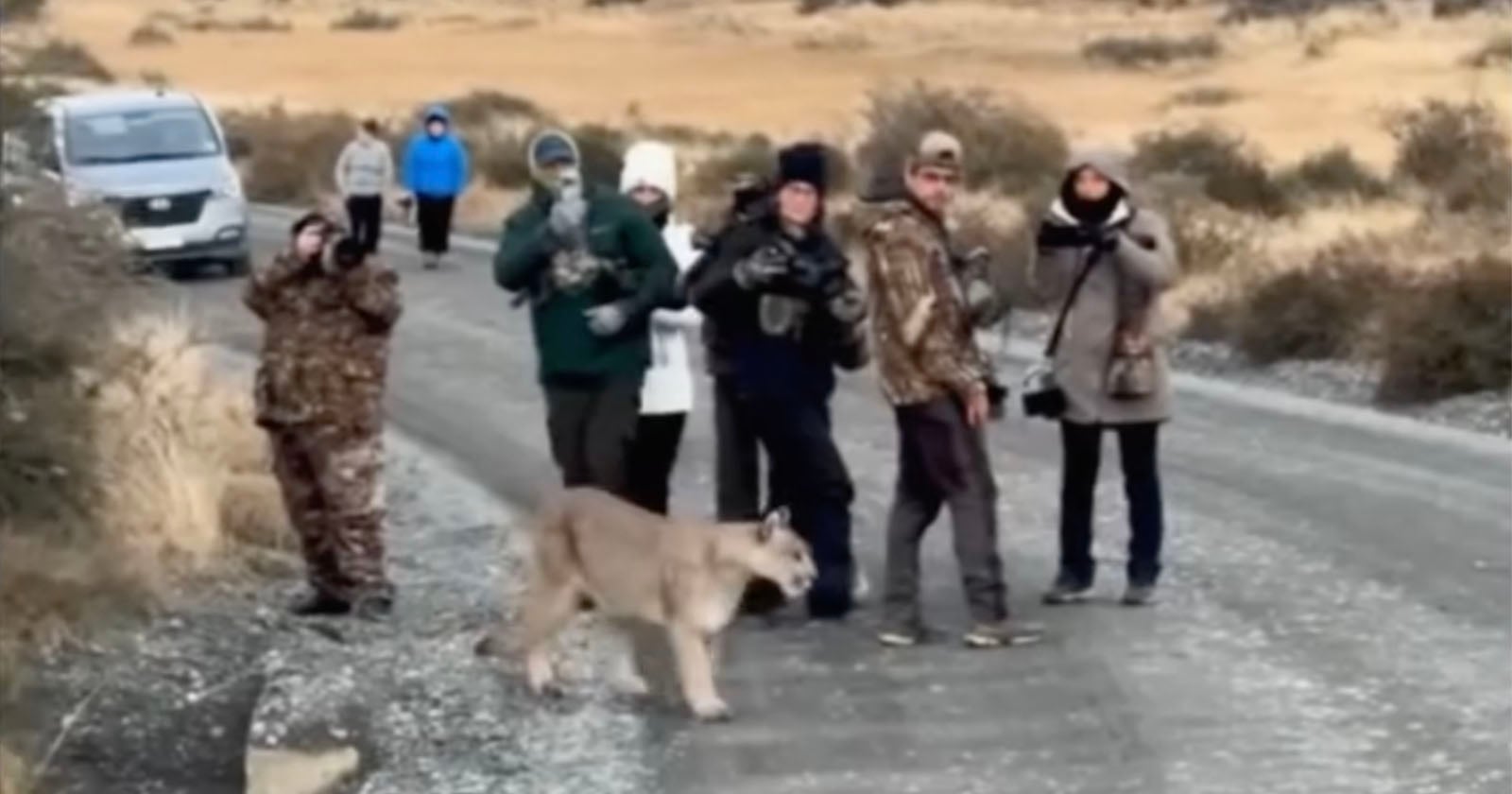
Wildlife Encounter: A Photographer's Stance in Patagonia's Wilds
A sleek puma moves through a crowd of photographers, her focus locked on unseen prey. In Torres del Paine, the line between observer and participant blurs. Critics called it invasive, but the photographers defended their stance, this is nature, raw and unscripted. We admire the artistry in their patience, even as we question the ethics of proximity.