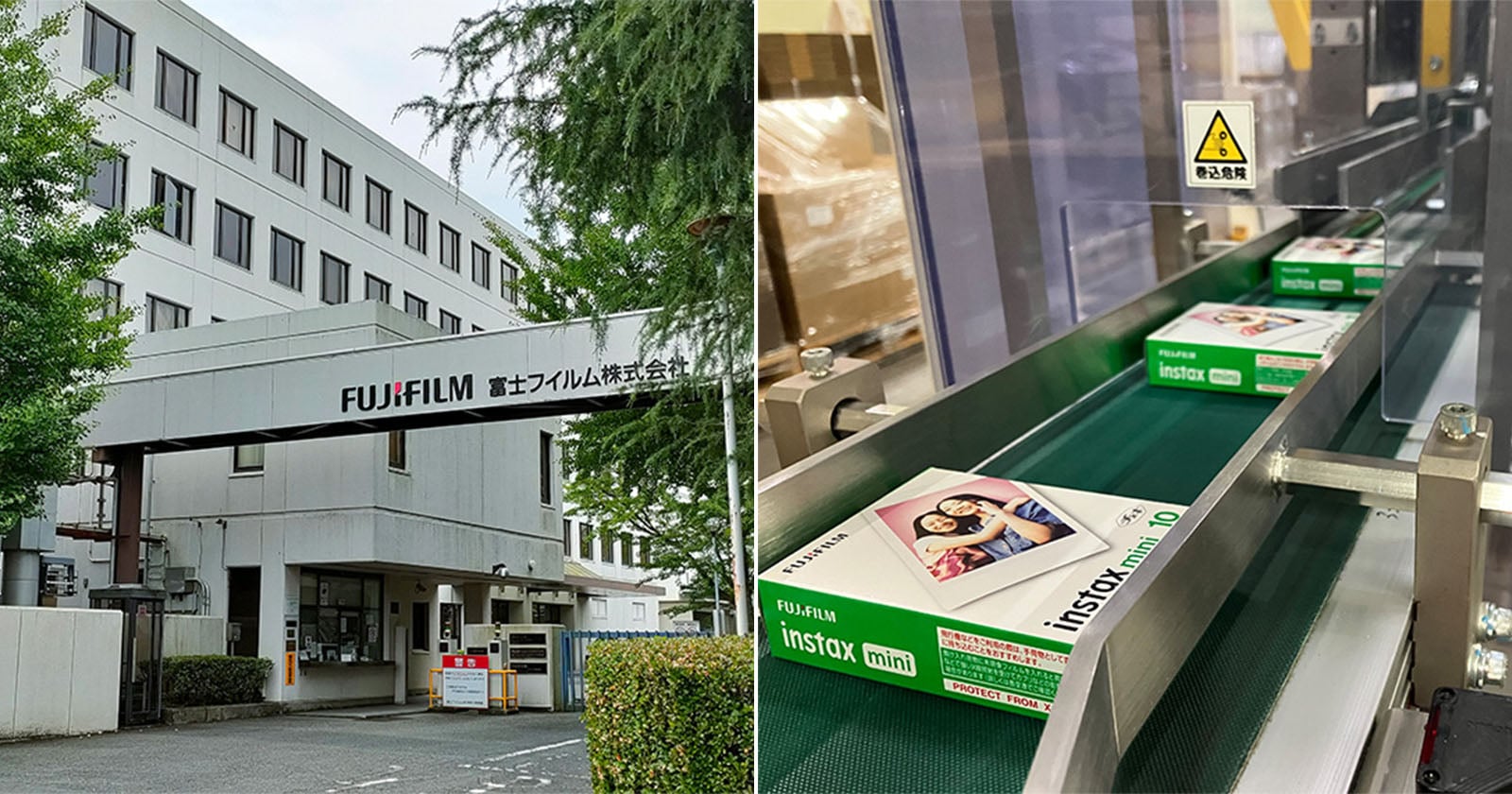
Fujifilm's latest $19 million bet on Instax is not a defensive play; it is a deliberate, artistic act of faith in the physical image. By pouring 3 billion yen into production facilities so soon after an even larger investment, the company is signaling that the instant photograph is not a nostalgic novelty but a vibrant, enduring medium for how we want to see and share our world. This is a brand doubling down on curation over consumption, and for anyone who values the intersection of craft and lifestyle, it is a compelling declaration.
For our readers, those who move between the precision of a perfectly composed frame and the vitality of a lived moment, this investment feels less like a corporate expansion and more like a cultural commitment. It echoes the same philosophy we admired in Wide-Open Vistas: The 2026 Pano Awards Celebrate a New Vision, where sweeping panoramas demand an eye for both form and feeling. Instax operates in that same spirit but in miniature: each print is a tiny, tangible panorama of a memory, demanding the same intentionality. Similarly, the recent work on architectural photography in Capturing Light and Form Through the Year's Most Stunning Architecture reminds us that light and structure matter at every scale. Fujifilm seems to understand that the physicality of an image, its texture, its borders, its permanence, is a luxury that digital abundance cannot replicate. This is not about mass production; it is about making space for more people to access that tactile experience without diluting its authenticity.
Practically, this means we should expect a deeper integration of Instax into the creative and wellness lifestyles our audience already cultivates. A broader production capacity suggests more camera models, more film formats, and potentially more collaborations that treat the instant print as a design object rather than a disposable novelty. Think of it as an invitation to slow down. In a world where DxO's latest ViewPoint software offers pixel-level precision to correct perspective, as we explored in DxO's latest ViewPoint brings precision to every distorted frame, the instant camera asks us to accept the frame we get, flaws and all. That tension, between digital correction and analog acceptance, is where the real artistry lives. Fujifilm is betting that we want both tools in our kit, and that the instant print will serve as a grounding counterbalance to the endlessly editable image.
The concrete takeaway here is direct: watch for the next wave of Instax products to feel more intentional, more curated, and more aligned with the aesthetics of fashion and interior design than with pure party photography. The question Fujifilm is answering is not whether instant film can survive, but how it can evolve into a luxury medium for a generation that craves authenticity. The specific detail to track is whether this investment translates into new film stocks with richer tonal qualities or larger formats that blur the line between a snapshot and a print worth framing. That is the edge where this story becomes personal for anyone who believes a photograph should be held, not just viewed.