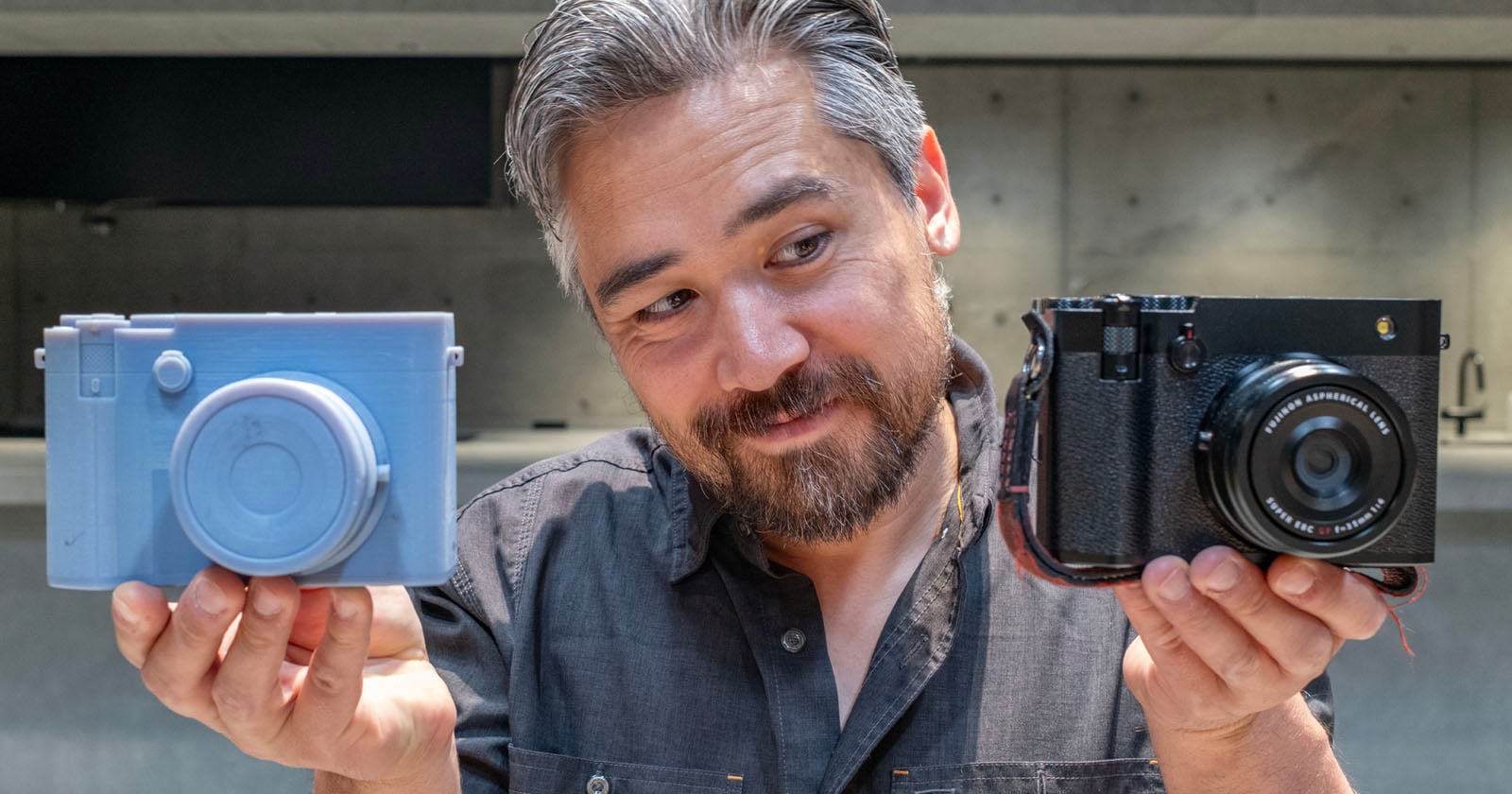
There is something almost sacred about the space where a camera is born, and we rarely stop to consider it. We spend our days chasing the perfect frame, obsessed with what the lens sees, yet we hardly ever ask how that lens came to see anything at all. This story pulls back the curtain on a studio where engineering, science, precision, and design converge to create a tool that, in turn, lets us feel connected to our world and the people in it. That connection is not accidental; it is curated, built deliberately into every internal mechanism and external contour.
This is worth pausing over because it reframes how we value the devices we carry. When we fixate on specs and megapixels, we miss the soul of the craft. Consider Where Precision Meets Color: The Grace of Portra 160, where we explored how a film stock's chemistry creates its own signature, each emulsion a product of the same meticulous intention. Or look at A Curious 220-Degree Fisheye Lens Frames a New World for Medium Format, where AstrHori's manual focus design reminds us that distortion and imperfection can be deliberate artistic choices, not errors to correct. Even in the realm of foldable phones, as we saw with The Vivo X Fold6 Frames Every Moment With Curated Precision, the emphasis on a crafted camera system speaks to a broader truth: the hardware is part of the creative process, not a mere vessel for it.
The studio in this story challenges a habit we have all developed, taking the object for granted. A camera does not simply appear; it is dreamed, tested, rejected, and refined. That journey from concept to click is where authenticity lives. For the creative seeking tools that match their vision, and for the health-conscious enthusiast who uses photography to document a vibrant life, this matters. It means that the camera you choose is not a neutral object. It carries the fingerprints of its makers, and those fingerprints influence how you see. The best tool is not the one with the most features; it is the one whose design philosophy aligns with your own.
The practical takeaway here is simple but easy to miss: next time you pick up a camera, ask yourself what it was built to do, not just what it can do. The answer might change how you frame your next shot.