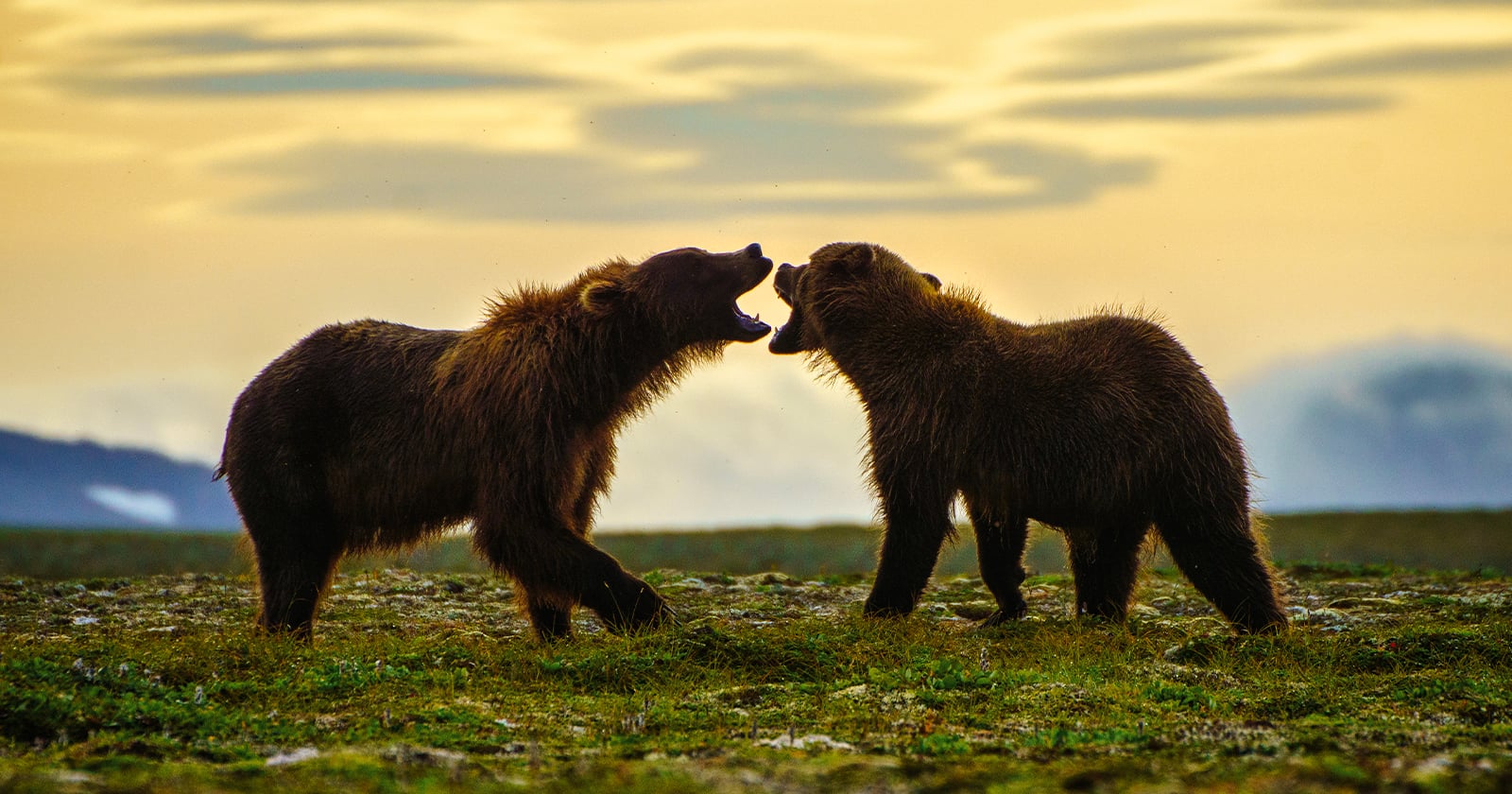
Light and shadow are not just conditions a wildlife photographer endures; they are the raw materials of a story. This piece on backlit imagery makes a compelling case for shifting our focus from the subject itself to the shape it casts, and we could not agree more. It is a reminder that the most arresting wildlife images are not always the sharpest or the most detailed, but those that use silhouette and composition to evoke a feeling, a moment, or a mystery. For anyone who has ever felt their frame fall flat despite perfect focus, this is the creative key you have been missing.
The philosophy here aligns beautifully with the ideas explored in Wide Horizons, Bold Balance: The Cinematic Power of Panoramic Frames, where the breadth of a scene becomes its narrative engine. Just as a wide frame can tell a story of scale and solitude, a backlit profile can distill an animal to its essential essence, stripping away color and texture to reveal posture and intent. It is a practice in restraint, a deliberate choice to let the negative space and the halo of light do the heavy lifting. Similarly, Where the Wild Lives: Habitat Shapes the Story Beyond the Frame reminds us that context is character, and in a backlit scene, the interplay between the dark subject and the luminous background becomes the habitat in its most poetic form. You are not just photographing an animal; you are photographing its relationship with the sun.
For our readers, the practical takeaway is immediate and actionable. Instead of chasing the perfect frontal light, turn around. Look for the moments when the sun is low and the world becomes a stage. Consider how a slight shift in your position can transform a familiar subject into an abstract, elegant form. The technique is less about expensive gear and more about a deliberate, meditative approach to seeing, a concept echoed in Breathe steady, hold still: the meditative technique sharpening your photography. Slowing down, observing the quality of light, and anticipating the exact moment a bird's wing catches the sun's edge are skills honed through patience, not equipment. This is where the art lives.
The most profound consequence of embracing this style is the shift in your own perception. You begin to see every scene as a potential composition of light and dark, asking not "What is that animal doing?" but "What shape does it make?" This does not mean abandoning detail, but rather understanding that sometimes, the most powerful story is told in a whisper, not a shout. The next time you are in the field, let the sun be your collaborator. Watch how a golden rim outlines a lion's mane or how a bird's silhouette becomes a calligraphy stroke against a burning sky. That is the moment your photography stops documenting wildlife and starts creating art.