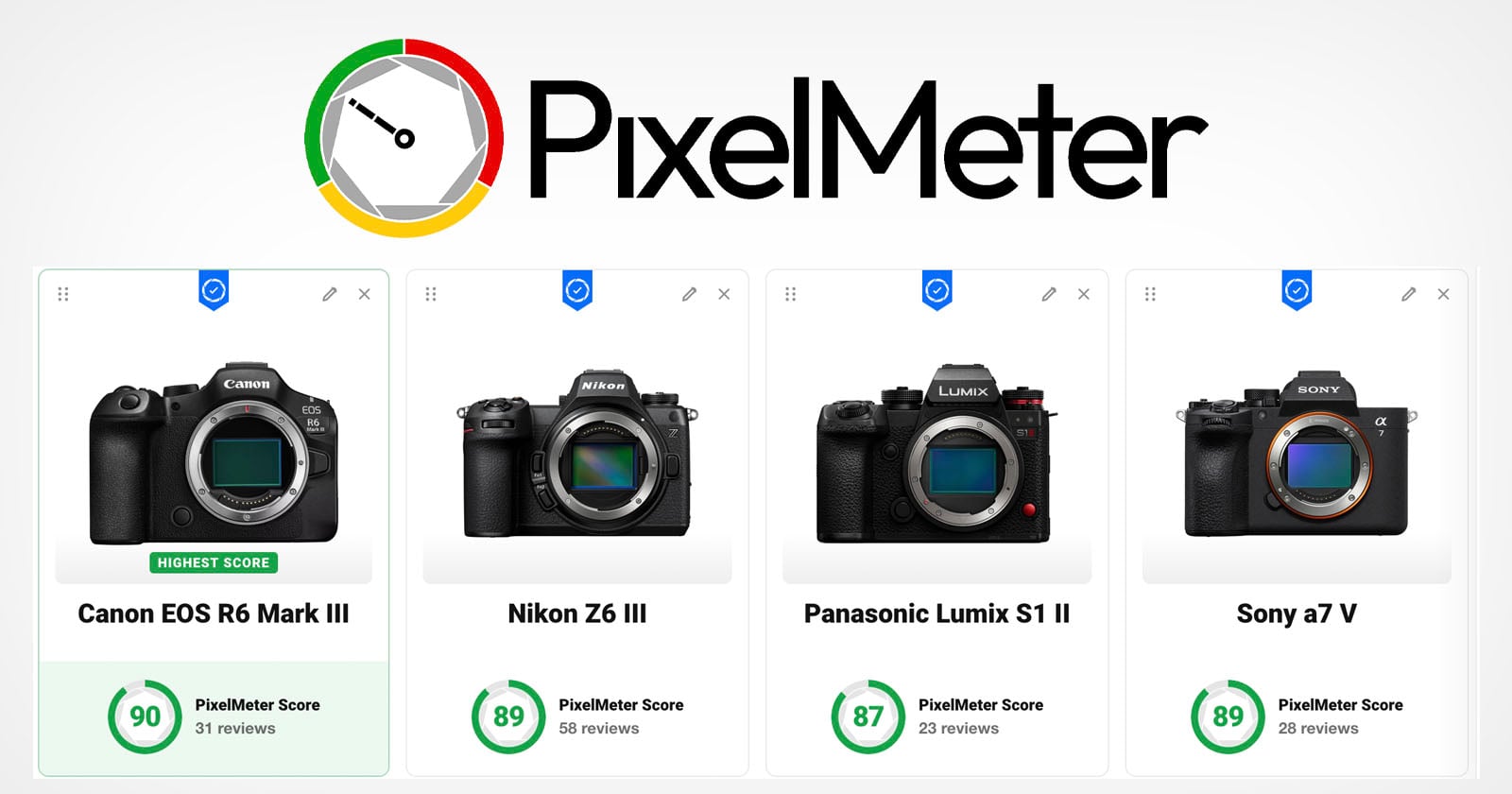
Comparison was always the quiet labor behind every good creative decision. You don't choose a camera because a spec sheet looks impressive in isolation; you choose it because it holds up against the one you already trust, the one your collaborator swears by, the one that fits the way you actually shoot. That's why PixelMeter's new side-by-side comparison tool feels less like a feature update and more like a missing piece finally sliding into place. It's the most-requested addition since the aggregator launched last month, and for good reason: the first and only review aggregator for cameras, lenses, and smartphones just became the place where opinion meets evidence.
We've watched the creative tool space grow more curated by the season, from Glyph Curates the Next Layer of Creator Support with New Card Readers to the way The HOA A1 Camera Captures the Art of an Authentic Gaze frames imaging as an emotional practice rather than a technical one. PixelMeter fits that same ethos. It doesn't pretend numbers tell the whole story, but it refuses to let them hide either. By putting specs and scores on the same screen, it forces a conversation: where does the measurable end and the felt begin? That's a question every photographer, videographer, and smartphone enthusiast has wrestled with alone. Now it's a question you can answer side by side, without tab-hopping or trusting a single reviewer's bias.
The practical gain is immediate. You can finally weigh a lens's sharpness score against its weight, a camera's dynamic range against its autofocus reputation, without reconstructing the research yourself. For the creative who values both form and function, this is the difference between buying on faith and buying with clarity. It also democratizes expertise. You don't need to be a gear obsessive to make an informed choice; you need a few minutes and a willingness to look at two columns at once. That's the kind of accessibility we want more of in this space, where jargon too often becomes a barrier rather than a bridge.
The question we're watching now is whether PixelMeter will push further into the subjective side, the part of imaging that resists scoring. A curated lens on history, like the one James Barnor was honored for with his pioneering vision, reminds us that some cameras earn their legacy through character, not charts. Can an aggregator capture that? Maybe not yet. But by making comparison transparent, PixelMeter has created the foundation for a more honest conversation about what we value in our tools. The next step is for us to bring our own taste to the table. That's the takeaway: comparison doesn't replace judgment; it sharpens it.