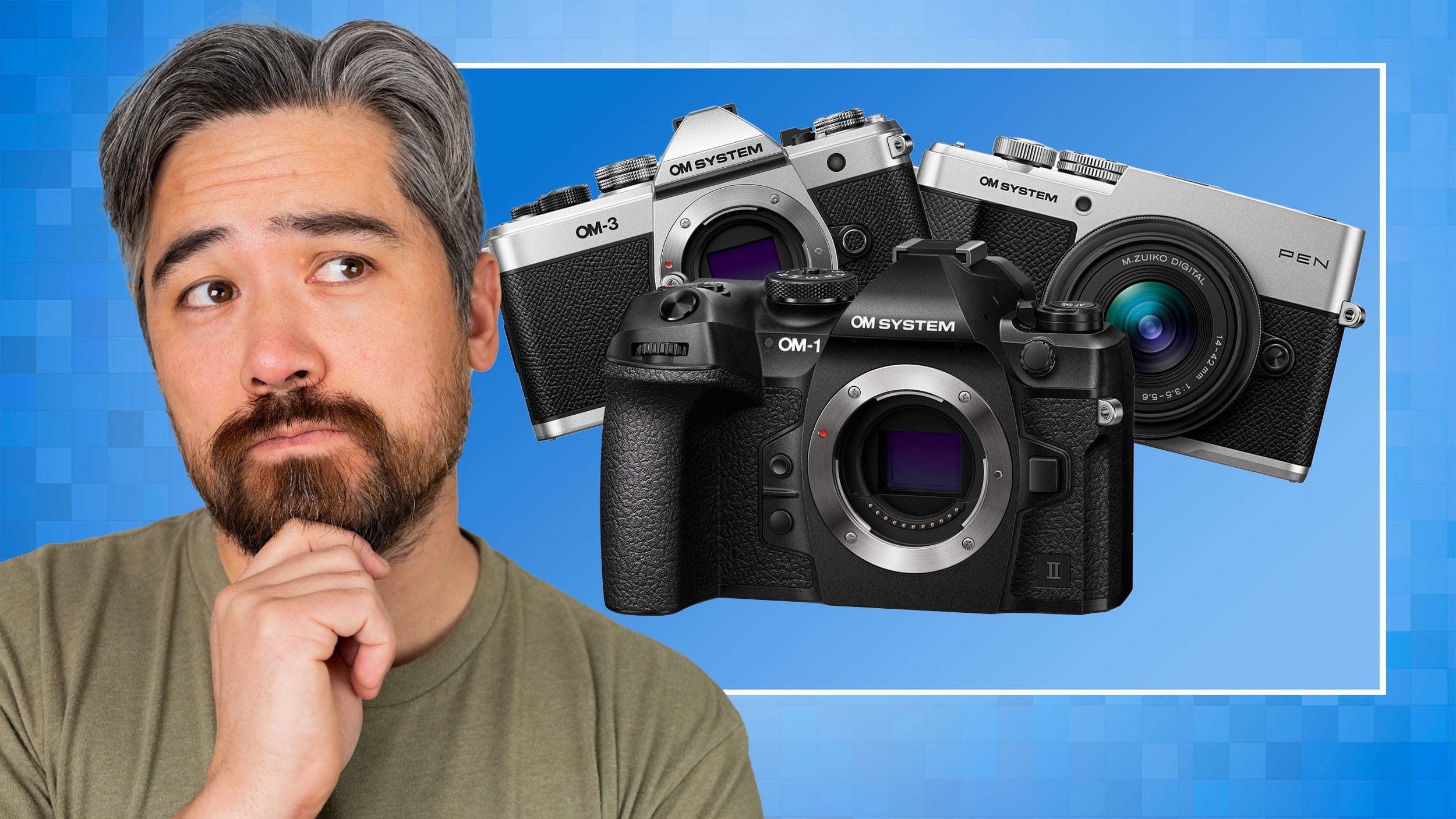
OM System's full-frame pivot was nearly a reality, and honestly, we are relieved it wasn't. The company's executives recently revealed on The PetaPixel Podcast that they once considered expanding out of Micro Four Thirds, but the fact that they stayed speaks volumes about their commitment to a system that prioritizes portability and creative intimacy over raw sensor size. In a world where larger often feels synonymous with better, this decision feels refreshingly intentional. It echoes the kind of curated thinking we see in Canon unveils timer remotes and a compact mic for creative storytellers, where the focus is on tools that serve the storyteller rather than chase specs. OM System's choice reminds us that sometimes the most aspirational move is to double down on what you do best.
The broader context of slumping digital camera sales makes this decision even more pointed. When the market contracts, the temptation is to chase every possible audience, but OM System's restraint suggests a different philosophy: depth over breadth. Their ecosystem is built for a specific kind of photographer, one who values a lightweight kit that doesn't compromise on image quality or artistic expression. This aligns beautifully with the immersive, vibrant approach to composition explored in Wide Horizons, Bold Balance: The Cinematic Power of Panoramic Frames, where form and function merge to create something greater than the sum of their parts. OM System is betting that a dedicated community, served well, will outlast a diluted product line.
Meanwhile, Nikon's announcement of a new $14,000 lens serves as a fascinating counterpoint. That lens is aimed at a very different photographer, one with deep pockets and specific professional demands. It is a reminder that the camera industry is not monolithic; there is room for both the ultra-premium and the thoughtfully compact. What matters is authenticity in execution. A $14,000 lens must deliver on its promise, just as a Micro Four Thirds body must earn its place in your bag. The debate on The PetaPixel Podcast about whether toy cameras should exist further underscores this point: tools are not inherently good or bad based on price or format. They earn their value through the experiences they enable.
Our takeaway is straightforward: OM System's choice to stay in Micro Four Thirds is not a retreat, it is a declaration. They are betting that a curated, purpose-built system can thrive even as the market narrows. The specific detail to watch is how they innovate within those constraints. Will they double down on computational photography, weather sealing, or lens design? The answer will define whether this was a strategic masterstroke or a missed opportunity. For now, we are watching with genuine curiosity, because in an industry obsessed with the next big thing, staying true to your vision is the most daring move of all.