One in Five People Leave Their Camera Unattended in Public
Our take
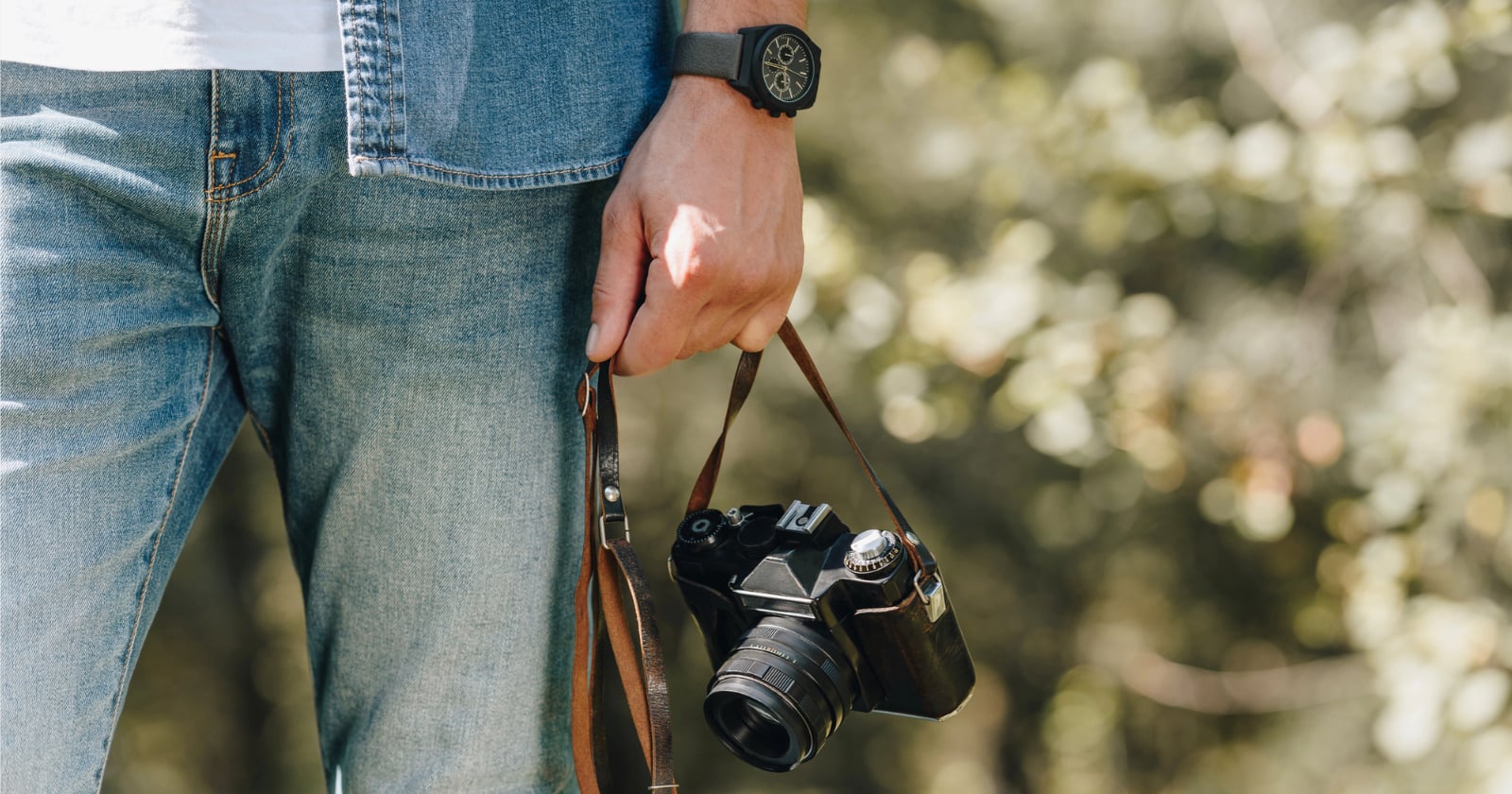
The recent statistic revealing that one in five people leaves their phone or camera unattended in public spaces, with Gen X leading the charge, isn’t simply a quirky data point; it’s a reflection of shifting habits and a subtle erosion of vigilance in our increasingly connected world. It's a vulnerability we, as creators and enthusiasts of visual storytelling, need to acknowledge. This carelessness, while seemingly minor, presents a growing concern for both personal security and the preservation of valuable creative assets. Consider the implications for photographers, especially those relying on their equipment for professional work. The ease with which someone could abscond with a camera, even momentarily, is a stark reminder of the risks involved in public shoots. This echoes concerns around equipment security discussed in [Is There Anything Special About Google’s Pixel 11 Series? | The PetaPixel Podcast], where the discussion touched on the increasing sophistication of theft and the need for proactive protective measures.
The generational skew towards Gen X leaving devices unattended is particularly interesting. It suggests a potential difference in digital security awareness between generations, perhaps stemming from differing levels of early adoption and evolving attitudes toward personal privacy. While younger generations, having grown up immersed in technology, may be more acutely aware of online threats, Gen X might be exhibiting a form of complacency born from years of relatively low risk. The rise of readily available and affordable audio equipment, as highlighted by [Amaran Makes its Audio Debut With Wireless Desktop Mic], also points to a broader trend of portable technology being integrated into daily life, increasing the opportunities for unintentional lapses in security. This isn’t about blaming any specific demographic, but rather understanding a behavioral pattern that demands greater awareness across the board. It’s worth noting that the Singaporean market's preferences for DSLRs, detailed in [The Most Popular DSLRs in Singapore Revealed], show a continued investment in dedicated camera technology, suggesting a strong community of photographers who would be acutely impacted by this trend.
The core issue at play here isn't just about the loss of expensive equipment; it’s about the potential loss of irreplaceable memories and creative work. For many photographers, the camera is an extension of their artistic expression, and the content captured within it represents countless hours of effort and personal investment. The fleeting nature of a public moment, coupled with the ease of distraction in our hyper-connected world, creates a perfect storm for carelessness. We’ve become so accustomed to the omnipresence of our devices that we often fail to recognize the inherent risks of leaving them unguarded, even for a few seconds. This isn't a call for paranoia, but rather a gentle nudge towards mindful awareness. Simple precautions, such as keeping devices within arm's reach, utilizing security straps, and being vigilant of surroundings, can significantly reduce the risk of theft or loss.
Looking ahead, it's likely that we'll see a rise in integrated security features within cameras and smartphones, perhaps incorporating biometric authentication or GPS tracking. However, technology can only go so far. Ultimately, the responsibility for safeguarding our equipment lies with us. The statistic serves as a timely reminder to cultivate a culture of vigilance and to prioritize the security of our creative tools, not just for the sake of the equipment itself, but for the preservation of the art it enables. Will increased awareness and technological advancements be enough to reverse this trend, or will complacency continue to expose our valuable tools and creative endeavors to unnecessary risk?
More than a fifth of people leave their phone or camera unattended in a public place, with people aged 45 to 60 (Gen X) most likely to do so.
Read on the original site
Open the publisher's page for the full experience