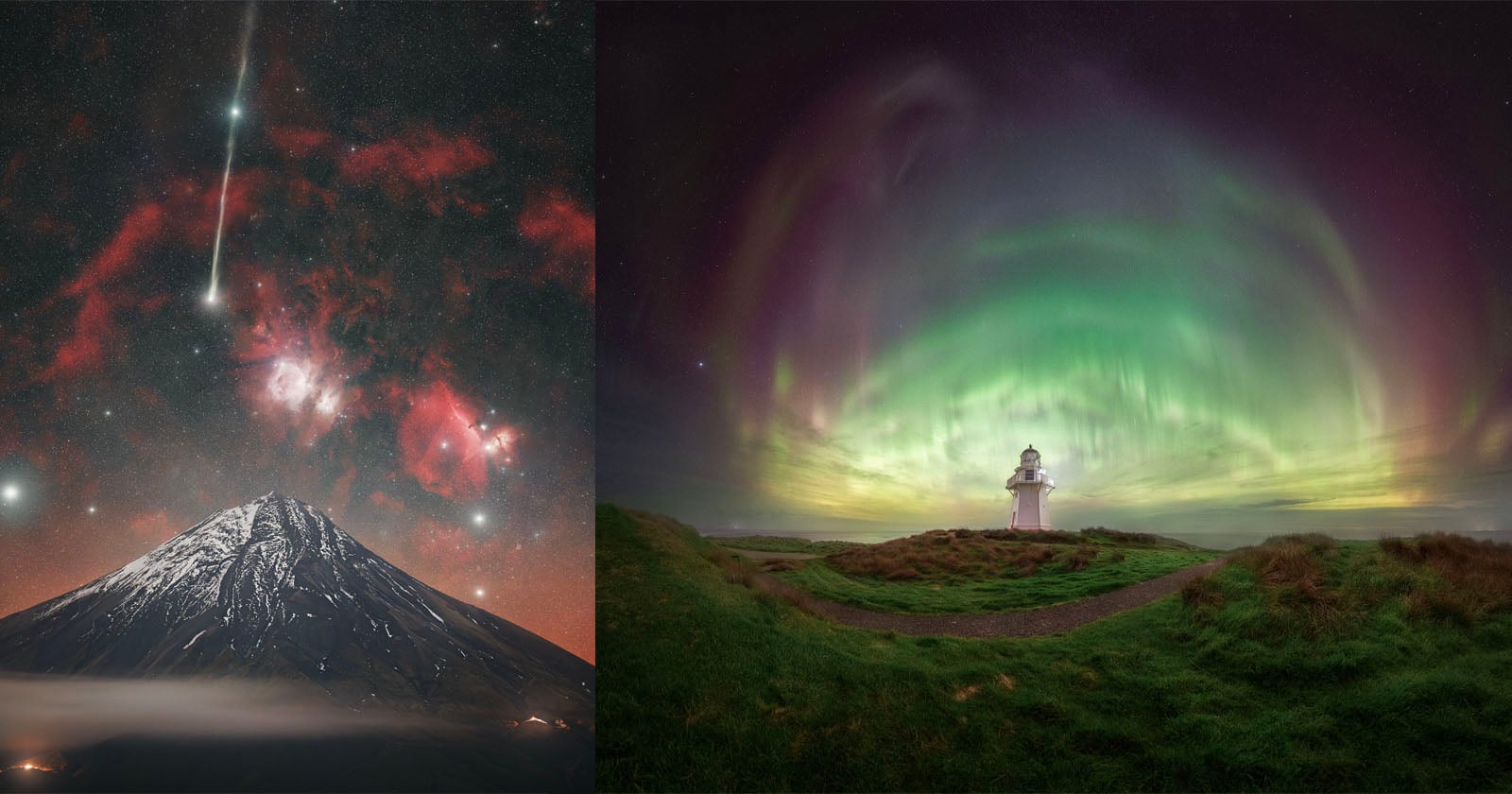
There is something quietly radical about an astrophotographer winning a general Photographer of the Year prize, and Evan McKay's image of Cathedral Cove, New Zealand, deserves every bit of the $3,000 and the accolade. The night sky is not a subject we typically associate with competition gold; it is often relegated to its own niche, admired by aficionados but overlooked by the broader photography world. McKay has shattered that assumption, and in doing so, he has reminded us that the cosmos is not a separate category of beauty, it is the ultimate context for everything we do on the ground. This is not merely a win for one artist; it is a quiet manifesto for looking up.
What makes McKay's achievement resonate beyond the competition is how it connects to the craft of seeing itself. In our recent reflection on The frame behind the lens that captured exhaustion and infamy falls silent, we considered the weight of a single frame, how one photograph can hold exhaustion, history, and human truth. McKay's work operates on a different scale, but the discipline is identical. Both require patience, an instinct for composition, and the willingness to wait for a moment that may never arrive. Where Jerry Gay captured the aftermath of a fire, McKay captures the aftermath of a day: the slow turn of the Earth, the pinprick light of stars that left their source centuries ago. The tools differ, yet the eye is the same.
This also places the gear conversation in a refreshing light. We recently explored Capture the Frame with Canon's Current Lens and Camera Offers, and it is easy to assume that a prize-winning astrophotograph demands the most exotic equipment money can buy. McKay's win suggests otherwise. Cathedral Cove is a location accessible to any photographer who can reach New Zealand's Coromandel Peninsula. The magic is not in the sensor, it is in knowing when the Milky Way will align with a natural arch, and in having the discipline to stand there in the cold until it does. That is a takeaway worth owning: the best camera you own is the one you have learned to anticipate the light with.
There is an open question that follows McKay's award, and it is the one we will be watching. Astrophotography has long been the domain of specialists, but competitions like this prize signal a shift in how the industry values the genre. Will galleries and publishers begin to treat the night sky as seriously as they treat portraiture or documentary work? If McKay's win is any indication, the answer is leaning toward yes. For the creative professionals and health-conscious enthusiasts in our audience, people who understand that wellness includes the quiet of a dark sky, and that beauty can be both natural and composed, this is a quiet invitation. Go find your own Cathedral Cove. The stars are not as far as you think.