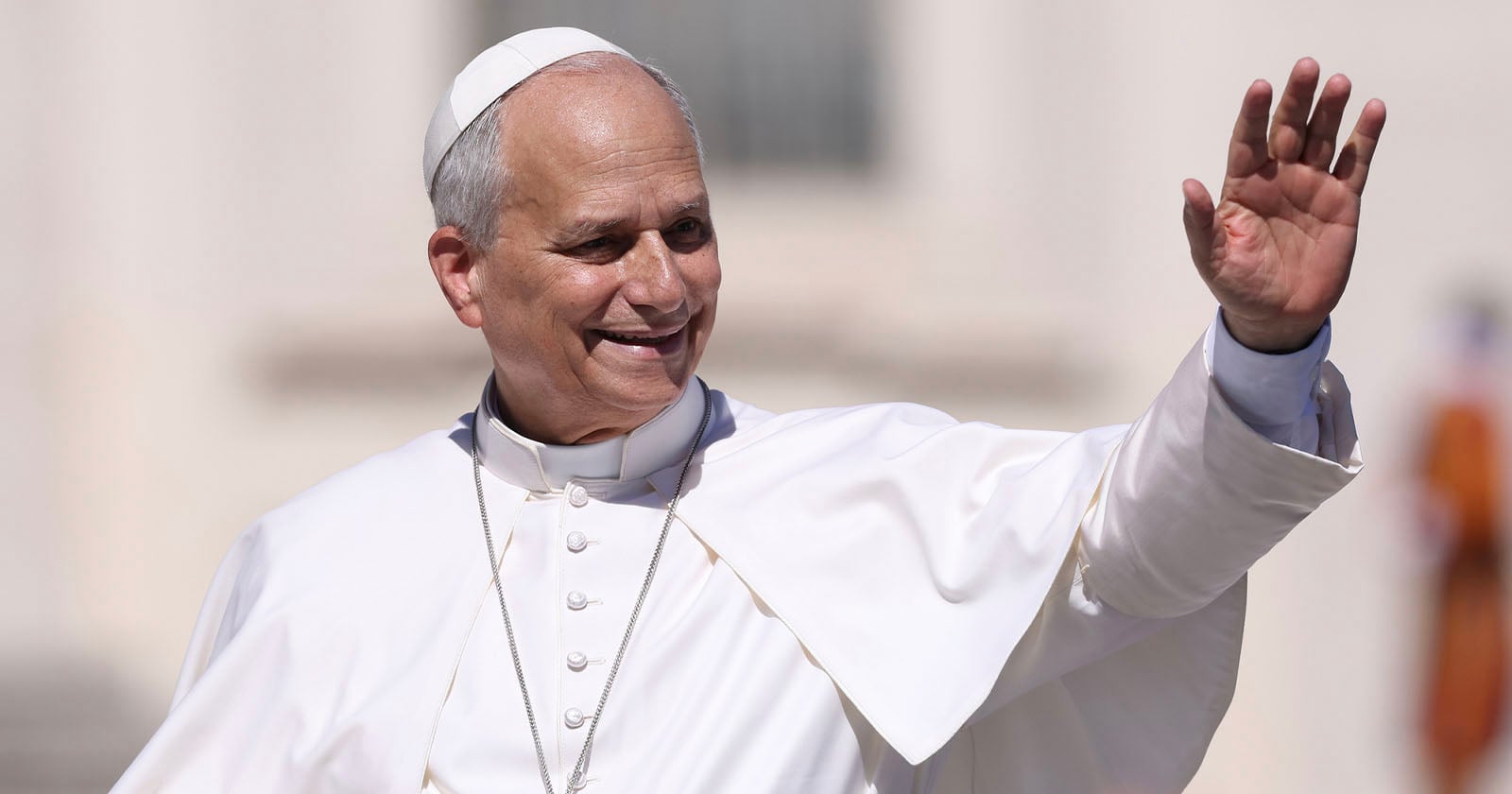
The human hand remains the sacred brush, and we believe Pope Leo is right to insist on it. In an age where algorithms can conjure images from a text prompt, the Catholic Church's renewed call for human artists is not a nostalgic retreat but a vital affirmation of what art actually is: an act of embodied intention. This stance matters to anyone who values the creative process, whether you are a photographer, a painter, or a curator of your own lifestyle. It asks us to consider what we lose when we outsource expression to a machine.
The Pope's position gains sharper focus when placed alongside the work of artists who have spent decades proving the irreplaceable value of human sight. Consider Fifty Years of Light: Portraits Frame Our Shifting National Mirror, in which the Smithsonian's National Portrait Gallery celebrates half a century of photographic portraiture. Those images are not data points; they are conversations between subject and photographer, each frame carrying the weight of a shared moment. Similarly, Through Spencer Lowell's Lens, the Soul of Our Technological Age reminds us that even when documenting technology, it is the human eye, Lowell's precise composition, his choice of light, that reveals meaning. An AI can generate a technically correct image of a circuit board, but it cannot decide which angle makes that circuit board feel like a cathedral of human ingenuity. That choice is the art.
This is not a blanket dismissal of digital tools. Many artists use algorithms as brushes; the distinction lies in who holds the brush. The problem the Pope identifies is one of displacement, when the algorithm becomes the author, not the instrument. It is the difference between a photographer who uses a digital camera and a system that generates a portrait from statistical averages of millions of others. The former captures a specific person; the latter produces a ghost. And as When a Judge's Ruling Is Shaped by a Deepfake, Justice Gets a Second Take chillingly illustrates, the consequences of mistaking algorithmic output for human testimony extend far beyond galleries. When a deepfake influenced a judge's ruling, the very foundation of justice, trust in what we see and hear, was shaken. The sacred is not only in churches; it is in the courtroom, the portrait studio, and the quiet act of believing that a human made this.
The concrete takeaway is this: every time you choose to commission a human artist, buy a photograph, or even share a friend's hand-drawn sketch, you are voting for a world where intention still matters. The algorithm will get faster, cheaper, and more convincing. But it will never stand in a room, look at a subject, and decide that this light, at this moment, tells the truth. That is the brush we must not drop.