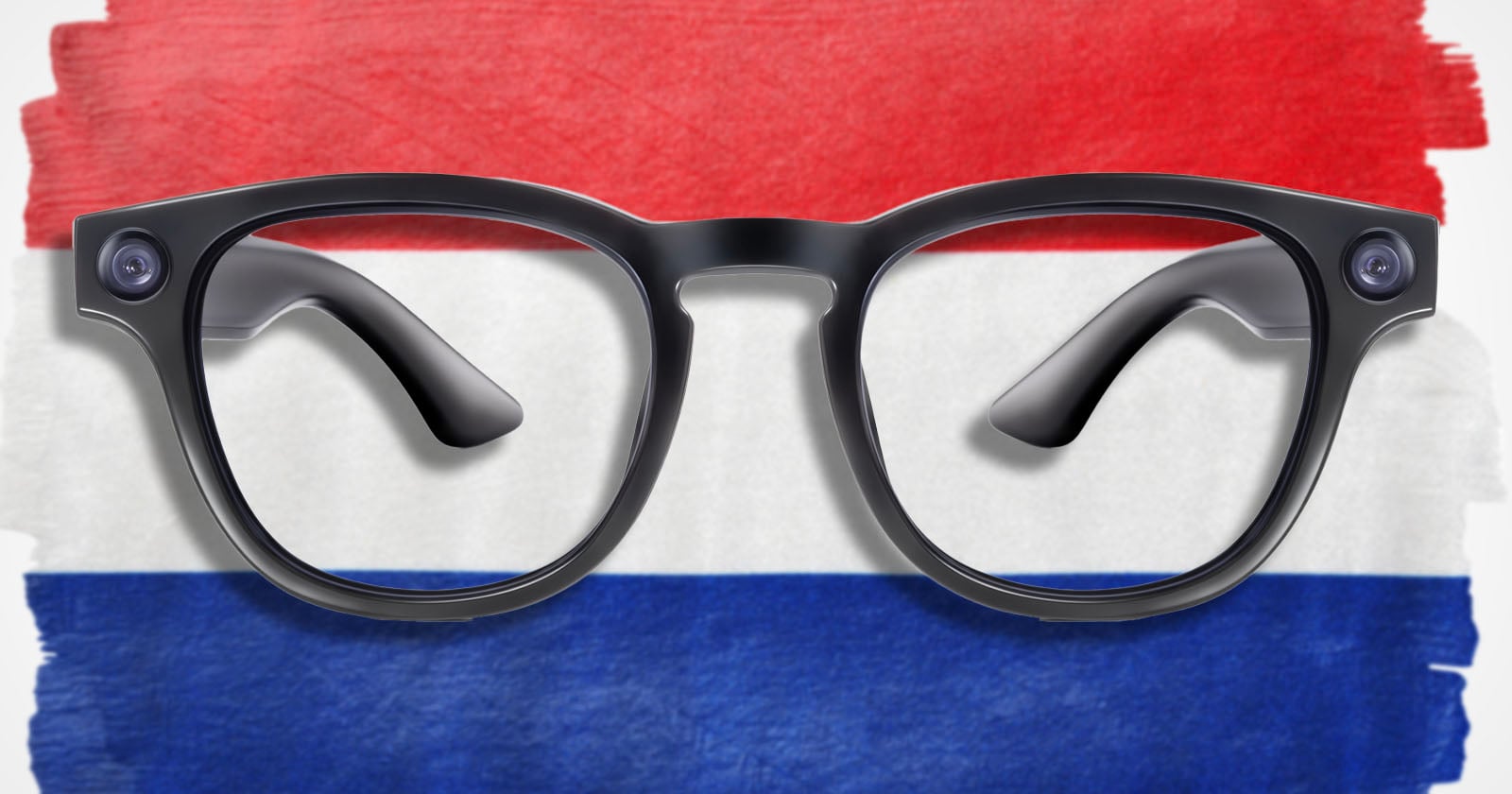
The Dutch Data Protection Authority just told consumers not to buy AI-powered smart glasses, and we think that warning deserves more than a polite nod. It demands a real conversation about what we trade for convenience. These devices, which promise to layer digital information onto the real world, also promise to record, analyze, and potentially share everything their wearers see. The authority's advice is blunt: the risks to both users and bystanders are too high. That should stop us cold, especially as we celebrate how AI refines our creative tools in other spaces. Consider how DxO's 2026 edits find faces, depth, and film glow in a single stroke or how ACDSee's latest chapter blends artistry with AI for elevated photo editing. Those are AI applications we can embrace without surrendering our privacy. Smart glasses flip that equation.
The practical takeaway is this: if you are shopping for wearable tech right now, skip the AI-powered frames. The Dutch watchdog is not being alarmist. They are pointing out that these devices can capture footage and audio of people who have not consented, often without any visible indicator that recording is happening. For the wearer, the risk is that personal data, where you look, what you react to, who you meet, gets harvested by the manufacturer or a third party before you even think to opt out. For everyone else, the loss is the simple expectation of being unobserved in public. That is not a bug; it is the product design.
What makes this moment interesting is the contrast with how we already trust AI in our creative workflows. The same technology that can intelligently mask a face in a photo or simulate film grain can also track that face across a room. The difference is context and control. When we edit images in DxO or ACDSee, we decide what the AI sees and does. When we wear glasses that are always on, we hand that choice to the device. The Dutch authority's stance is a reminder that not every innovation deserves a place in our daily lives just because it is possible. Some lines are not meant to be crossed.
The question we should all keep in mind is not whether smart glasses will improve, but whether the industry will build in real, enforceable privacy protections before selling them to us. Watch for whether manufacturers add physical recording indicators, clear data policies, and user-controlled deletion. If they do not, the Dutch warning will not be the last.