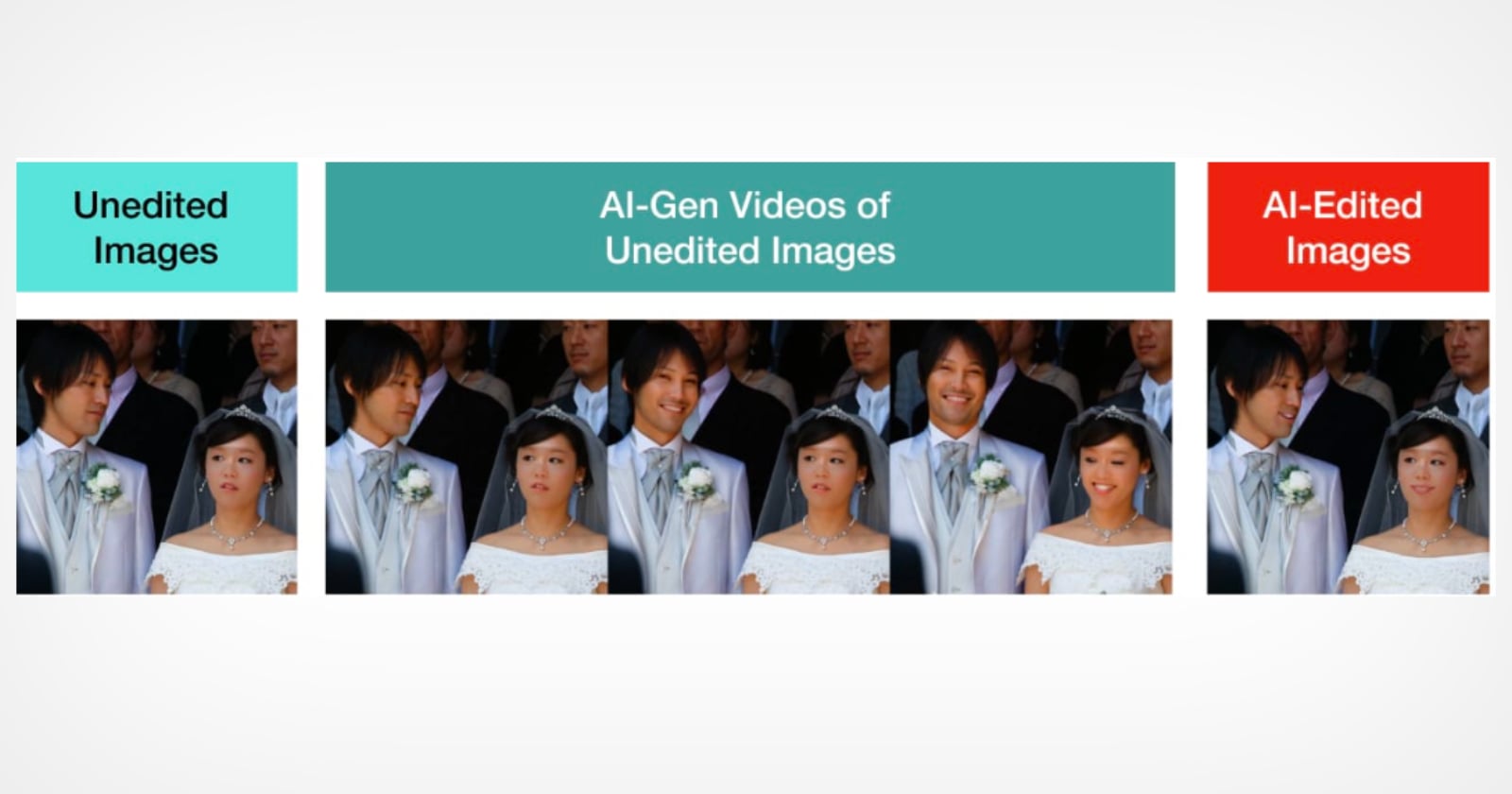
We believe the mind's trust in a beautiful lie is not a glitch, it is a quiet surrender we are all being coaxed into, one AI-edited image at a time. The research is stark: when artificial intelligence alters a photograph or video, our brains don't just accept the revision; they embrace it with greater confidence than they hold for the original memory. This is not a story about technology tricking us. It is a story about how willingly we let it.
Consider what this means in the daily spaces we inhabit. We saw it happen in The New School Portrait: AI Steps In Where Photographers Once Stood, where parents turned to AI to manufacture the perfect school-year image for their children. A missing smile becomes a digitally inserted one. A wrinkled shirt vanishes. The result is not a record of who the child was that morning, but a curated ideal. When the child grows up and looks at that photo, will they remember the uncomfortable collar or the glowing perfection? The research says they will remember the lie, and defend it as truth. Then there is the more dangerous edge: as we reported in When a Crocodile Wasn't Real, But the Charge Was, a man in Singapore was arrested for posting an AI-generated image of a saltwater crocodile as though it were real. The brain of the viewer did not care about the source; it stored the image as a fact. A false crocodile, a true charge, and a public that now must question every pixel.
This is where the artistic and health-conscious spirit in our community must pause. We curate our lives, our workouts, our wardrobes, our aesthetic choices, with intention. But curation becomes deception when it reshapes what we know to be true. The mind's attachment to a beautiful lie is not merely a quirk of neuroscience; it is a vulnerability we must learn to guard against. When we scroll past an impossibly luminous skin texture or a body transformed by an algorithm, we are not just admiring an image. We are rewriting our own standards and, eventually, our own memories of what is possible. The practical takeaway is direct: before you share an image, ask yourself whether it captures a moment or invents one. The difference determines not just what others see, but what you will remember.
We are left with an open question that feels personal. How many of us have already overwritten an honest memory with a more flattering version, and lost the original for good? The next time you reach for a filter or an AI tool to refine a photograph, consider the cost. That beautiful lie may already be reshaping your past, and your mind will thank you for it, even as it betrays you.