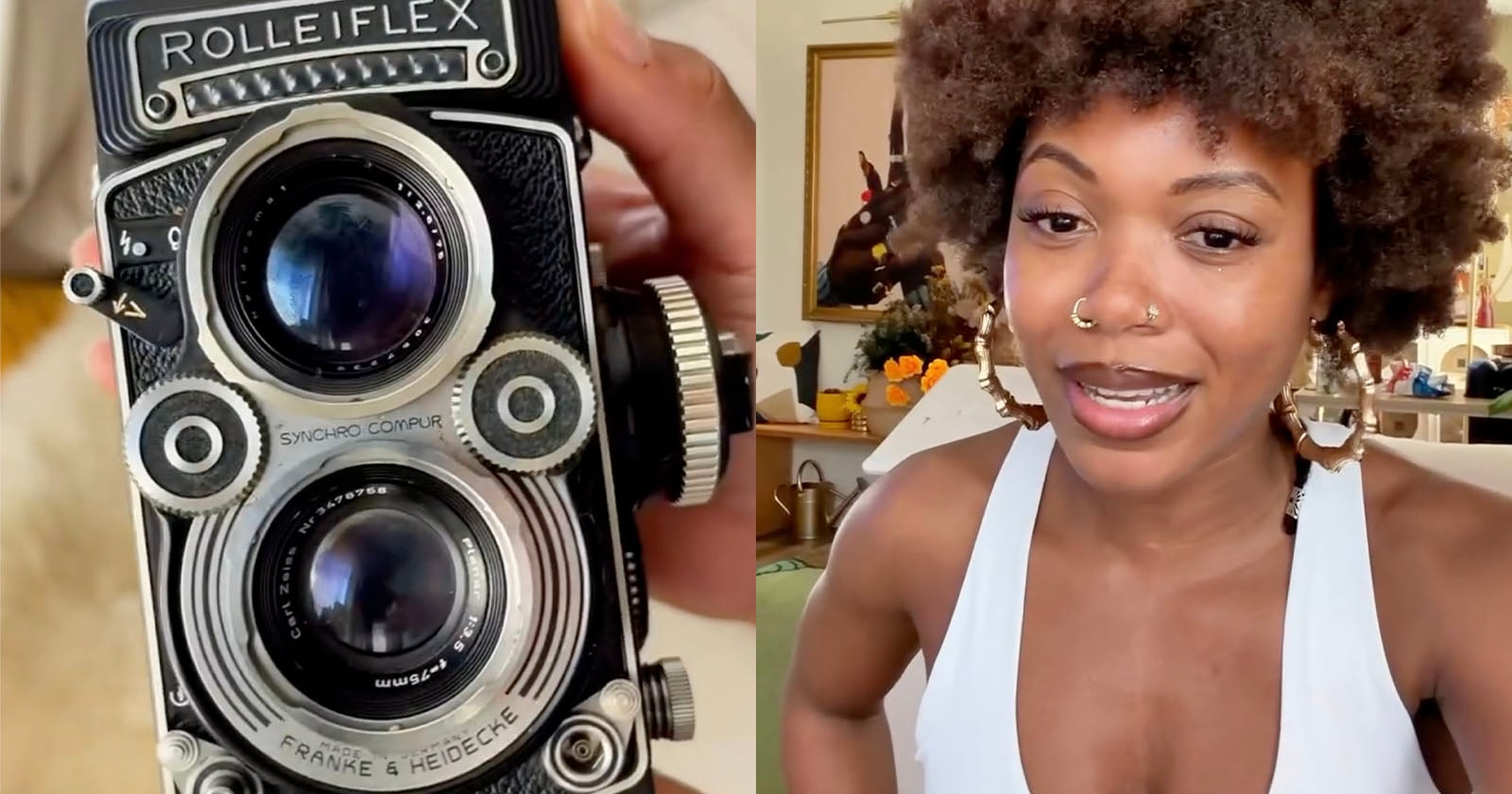
There is something sacred about a camera that has moved through generations, and when that object is a Rolleiflex, the loss cuts deeper than the price of a lens. The accusation out of Los Angeles, that a repair shop may have stolen or tampered with a grandmother's cherished twin-lens reflex, is not merely a consumer dispute. It is a reminder that the objects we trust with our memories are only as reliable as the hands we place them in. We should say plainly: this is a betrayal of the most intimate kind of trust, and it should make every collector, every hobbyist, and every person who inherited a family heirloom pause before handing it over to a stranger.
The Rolleiflex is not just a camera; it is a portal to a specific way of seeing. Its square format, its quiet shutter, its deliberate pace, all of it speaks to a time when photography was an act of intention rather than a reflex of the thumb. That is why this story resonates far beyond one woman's misfortune. It connects directly to what we value about authenticity in a world increasingly saturated with digital reproductions, a theme we explored in our piece on The Art of Proving What's Real in a World of AI-Generated Images. When a physical artifact can be swapped, altered, or quietly replaced, the proof of our own history becomes fragile. And when the device itself is an antique, like the nearly century-old Leica prototype that recently commanded millions at auction, we see how the market rewards provenance, yet the everyday repair shop may not treat that provenance with the reverence it deserves. That nearly century-old Leica prototype sold for a fortune because its story was intact; this Rolleiflex's story may now be permanently compromised.
For the reader, the practical lesson is uncomfortable but necessary. Before you hand over any vintage camera, document everything. Photograph the serial number, the condition of the leather, the alignment of the viewfinder, and the unique scratches that make it yours. Ask the repair shop for a written receipt that includes the serial number and a description of the exact work to be done. If a shop balks at that level of detail, walk away. This is not paranoia; it is the same diligence we apply to any valuable asset. And if something feels wrong after the repair, do not accept a vague explanation. Demand specifics, compare the returned camera against your documentation, and escalate to consumer protection agencies if necessary. The woman in Los Angeles is doing exactly that, and her case should serve as a cautionary tale for anyone who assumes that a business will treat a family heirloom with the same care they would give their own.
The deeper question this story leaves us with is about accountability in a craft that relies on trust. Camera repair is a niche, often artisanal trade, and the people who do it well are genuinely skilled. But skill does not excuse dishonesty, and the shadow cast by this accusation darkens the reputation of every honest technician working today. We will be watching to see whether the store in question provides a clear accounting of what happened, and whether the woman recovers her grandmother's camera, or at least a truthful explanation. That is the detail to watch: not the drama of the accusation, but the transparency of the resolution. Because in the end, the camera is a vessel, and what matters is whether the memories inside it can still be trusted.