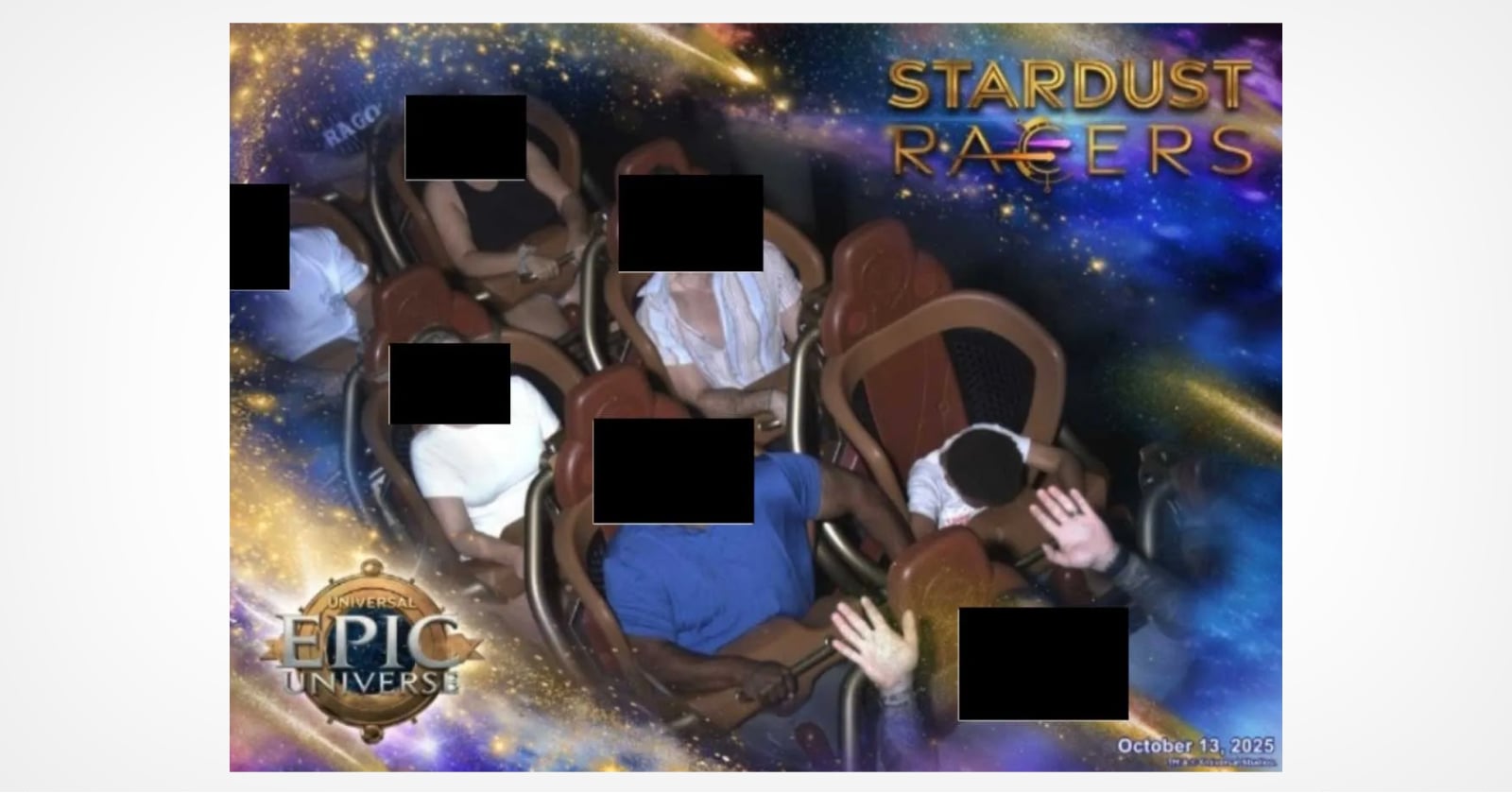
A theme park ride photo is supposed to capture a moment of joy, hands up, wind in the hair, that fleeting thrill of weightlessness. When it instead documents a child's medical emergency, the image becomes something far more troubling, and a mother's decision to sue Universal Orlando Resort over the alleged capture of her nine-year-old son unconscious and unresponsive on a rollercoaster raises urgent questions about consent, privacy, and the boundaries of a commercial memory. We believe this case deserves a close, empathetic look, not because it is sensational, but because it touches on something every parent and guest instinctively feels: the line between a curated experience and an invasion of a deeply personal moment.
The lawsuit is not merely about a photograph; it is about who controls the narrative of a traumatic event. When a ride photo system automatically snaps and offers for purchase an image of a child in distress, the park has arguably transformed a medical crisis into a product. This echoes a broader tension we have explored before, such as in the case of Altered Image, Deep Hurt: Lawsuit Alleges Prison Photo Manipulation, where a former inmate accused officials of digitally altering his photograph to cause harm. Both stories share a foundational discomfort: the use of an image to define a person in a moment they never consented to, let alone one of vulnerability. Similarly, the lawsuit involving Haaland's Image, Airline's Edits: A Lawsuit Over Style reminds us that even public figures fight for control over how their likeness is used in commercial contexts. Here, the subject is a child, and the context is a health emergency, making the stakes feel raw and immediate.
For our readers, who value both the immersive magic of a great theme park day and the authenticity of lived experience, this story lands as a sobering reminder. The curated joy we seek, the perfect shot of a family cresting a coaster hill, relies on a system that cannot always distinguish between exhilaration and distress. The practical takeaway is clear: we should demand that automated ride photography systems include a simple, human-centered failsafe. A protocol that flags images where a guest appears unresponsive, then immediately alerts park staff and withholds the photo from sale until the guest or their party can consent to its release. This is not about blaming a park for a medical event, those happen, but about designing technology that respects the dignity of the person in the frame, especially when that person cannot speak for themselves.
What remains to be watched is how Universal responds beyond the courtroom. Will the company update its ride photo policies? Will it train operators to recognize signs of distress in captured images? The mother's suit may force a conversation the industry has avoided: that a ride photo is not always a souvenir. Sometimes it is a record of a moment that should never have been offered for purchase. We will be watching how the courts, and the culture, choose to draw that line.