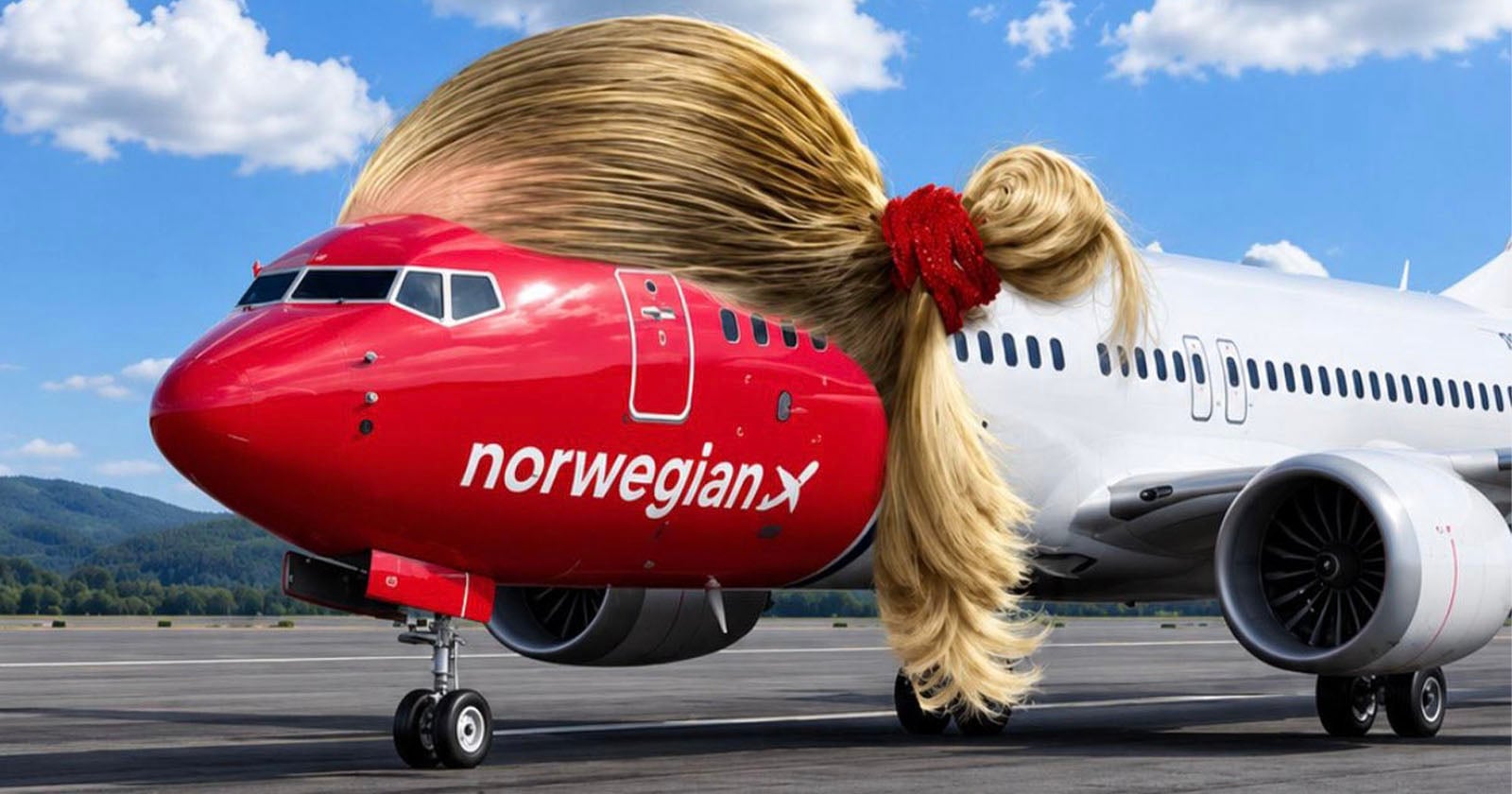
An image, a hairstyle, a lawsuit. Norwegian footballer Erling Haaland is taking legal action against an airline over a social media post that used an edited photograph referencing his distinctive look during the 2026 World Cup. It is a sharp reminder that in an age where every pixel can be repurposed, a person's image is not just a likeness, it is a right. For an audience that curates its own visual identity, from the way we train to the way we dress, this case feels less like a footnote in sports law and more like a warning about the boundaries of creative license.
The airline likely saw a playful meme. Haaland sees the unauthorized commercial use of his likeness, tied to a moment of global visibility. There is a tension here that resonates beyond the courtroom. We spend time cultivating our aesthetic, finding the right light for a photograph, selecting gear that reflects our eye, choosing a haircut that becomes a signature. When someone else grabs that image and edits it for their own gain, the transaction feels hollow, even if the intent was harmless. It is the difference between inspiration and appropriation, a line that matters as much in a gym mirror as it does on a billboard. For those of us who value authenticity, the question is not whether the airline meant harm, but whether they had the right to reimagine a person's image in the first place.
This echoes the conversations we see elsewhere in visual culture. Consider the pursuit of a perfect frame, as explored in Twenty autumns of finding color, composition, and a richer creative rhythm, where a photographer spends years learning how to capture what is already there without imposing a false narrative. Or the careful curation of history in A Curated Glimpse of History: Iconic Migrant Mother Print Beckons Collectors, where a single image carries weight precisely because it was made with intention, not altered on a whim. Even the work of expanding creative tools, as seen with NiSi's new ultra-wide lens expands the GFX system's creative edge, is about giving the artist control over the final image, not handing that control to a third party. Haaland's lawsuit is simply the most public example of a principle every creator knows: your image is yours, and editing it without consent is a breach, not a compliment.
The practical takeaway is straightforward. Before you use someone else's image, whether for a brand post, a mood board, or a social media story, ask if you would be comfortable with them doing the same to you. The law is catching up to what artists have always understood: style is personal, and permission is not optional. The specific consequence to watch is how this case defines the line between editorial commentary and commercial exploitation. If the airline loses, it will set a precedent that makes every brand think twice before reaching for the edit tool. That is a world where creativity respects ownership, and that is a world worth fighting for.