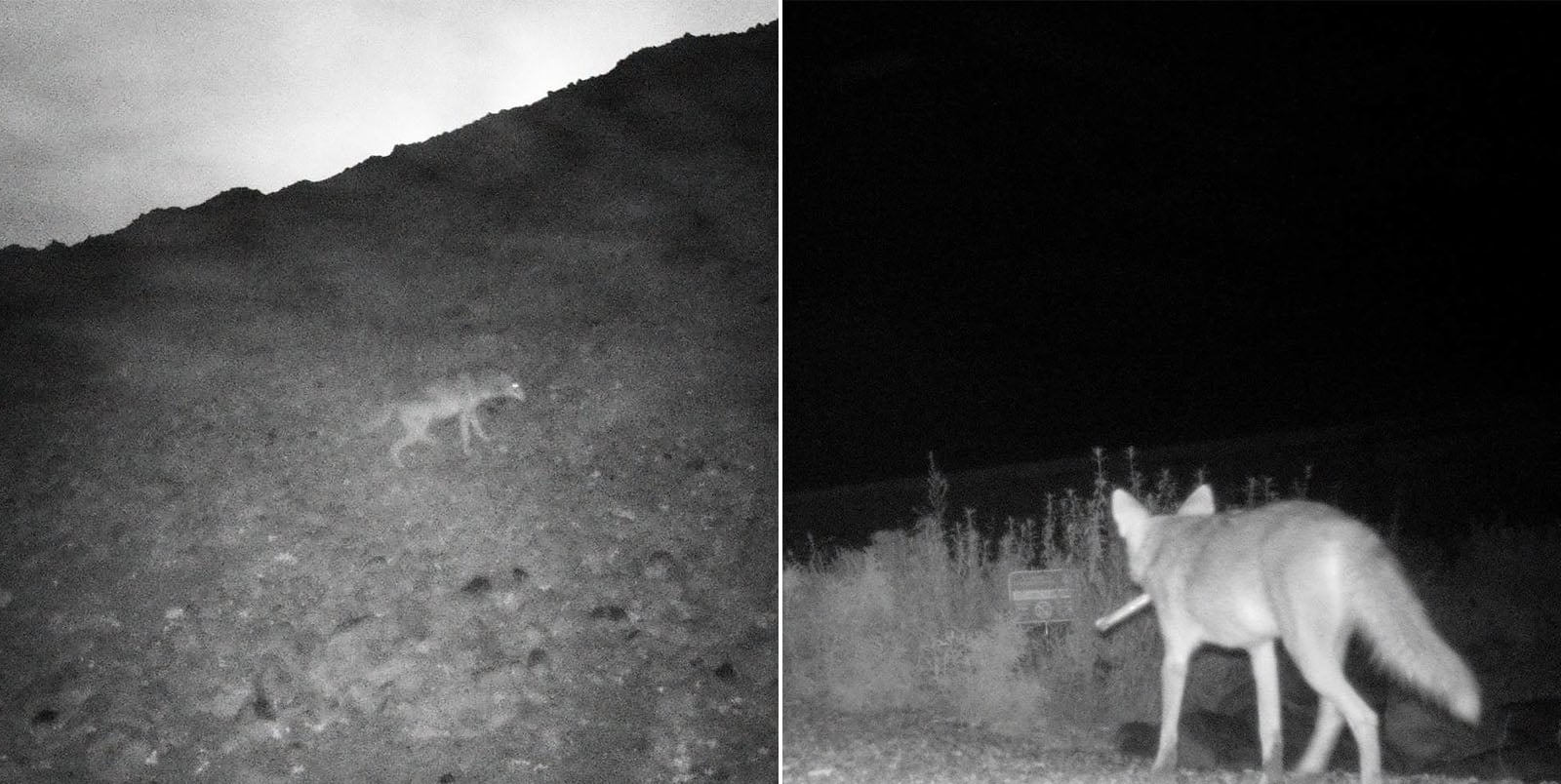
The animals have already claimed the crossing before the ribbon is cut, and that is precisely the point. This isn't a civic ribbon waiting for a ceremony; it is a living corridor, and the wildlife of the Santa Monica Mountains has voted with its paws and hooves. The Wallis Annenberg Wildlife Crossing, a $114 million bridge draped over the roar of Highway 101 in Agoura Hills, was built to reunite a fragmented habitat, and its early use tells us something essential about the resilience of nature when we design with intention. For our readers, who move between creative expression and mindful living, this project offers a rare convergence: infrastructure as art, conservation as curation, and a reminder that beauty and function are not opposing forces.
This crossing is not a fence or a tunnel, it is a broad, planted landscape designed to feel like the terrain on either side. Coyotes, deer, lizards, and even the elusive mountain lion have been detected crossing the span, using the soil and native shrubs as a bridge back to a territory they once knew. It echoes the quiet persistence we admire in other natural phenomena, like the hidden moment of coral spawning captured by ultrasound in Beneath the waves, ultrasound reveals coral's hidden moment of creation. Both stories reveal that the most profound acts of life often happen out of sight, demanding that we build, or listen, with care. Where the coral researchers used advanced imaging to witness an underwater event, the crossing's designers used topography and native flora to invite a terrestrial one. The result is not a zoo or a spectacle, but a quiet reclamation.
What does this mean for someone who values the intersection of style and sustainability? It means that a curated approach to the world, choosing materials, forms, and placements with deliberation, can serve both aesthetics and ecology. This crossing is not a generic overpass; it is a bespoke landscape, planted with species that belong to that ridge, designed to be as much a part of the view as the chaparral around it. That is the same sensibility we explore in Where the Wild Lives: Habitat Shapes the Story Beyond the Frame, where the environment becomes more than a backdrop, it becomes the subject. Here, the habitat itself is the story, and the animals are the ones telling it, moving through a corridor that was built with their lives in mind. It asks us to see the ground beneath our feet not as a blank slate, but as a network of paths already in use.
The early success of this crossing also raises a practical question: will other highways follow? The 101 corridor is notoriously deadly for wildlife, and this bridge proves that intervention can work faster than bureaucracy. The concrete takeaway is that we do not have to wait for a species to vanish before we act. We can build for connection now, and the animals will show up. That is a specific, measurable hope, one that challenges every new development to ask not just how it looks, but how it lives.