algorithmic bias
algorithmic bias at Lee LHGFX Photography is a file of 3 stories. The newest of them: “Curate Your Feed: Australia to Empower Users with Algorithm Control”, “Biometric Data & iPhones: A $32.5 Billion Legal Challenge for Apple”, and “AI Detection Emerges: A Vital Counterpoint to Generative Advancements”. Australia is handing the scroll back to you. A single photo can hold a world of private data, and Apple is now facing a $32.5 billion legal challenge over claims its iPhone Photos app quietly collected users' biometric information. Lee LHGFX Photography is a dynamic portfolio and lifestyle hub built around the artistic work of @lee_lhgfx — a highly engaged Instagram creator and… The list below is every algorithmic bias story on Lee LHGFX Photography, newest first.
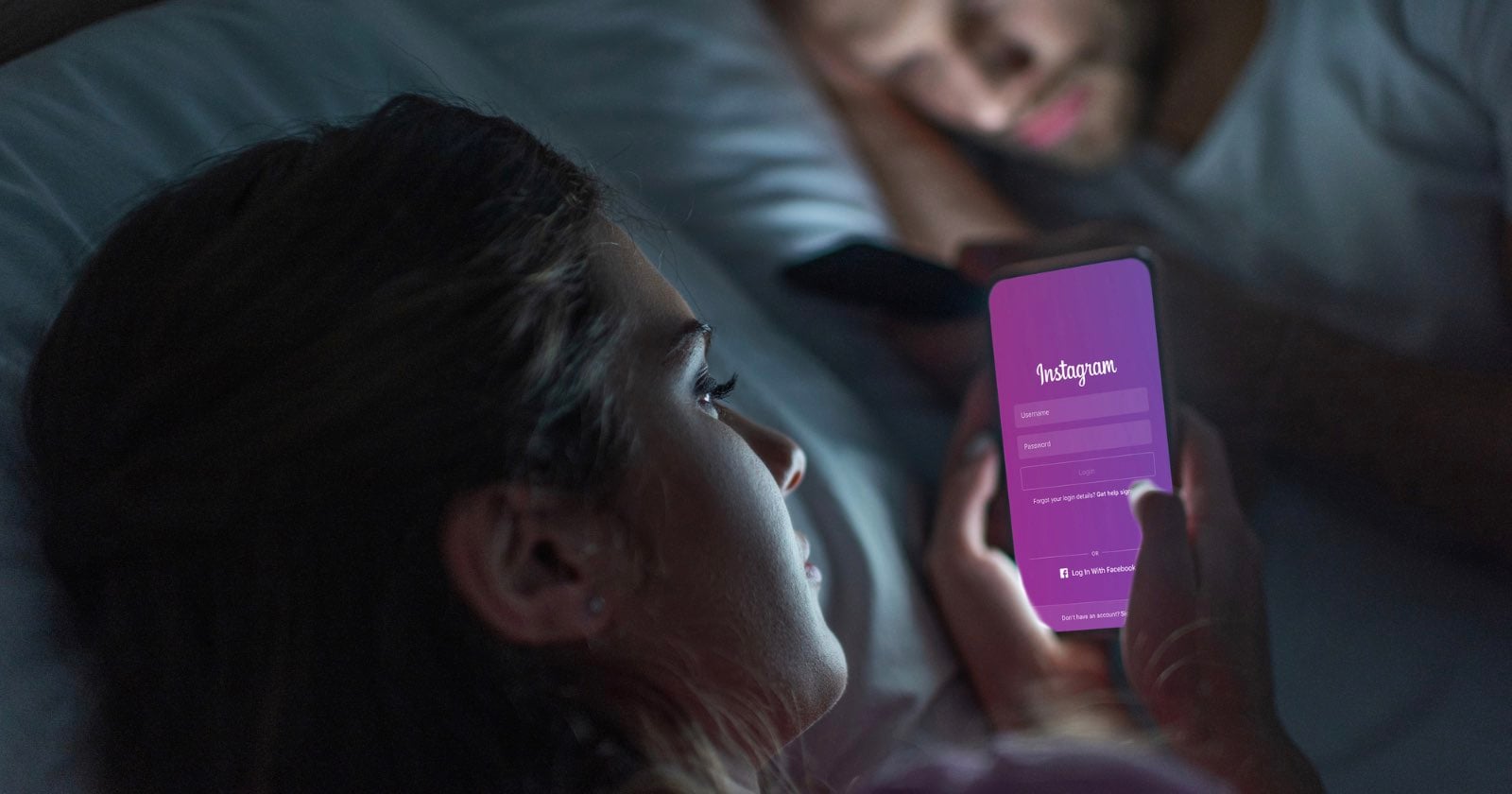
Curate Your Feed: Australia to Empower Users with Algorithm Control
Australia is handing the scroll back to you. The government's next world-first move lets users toggle off algorithmic recommendations, a quiet rebellion against the curated echo chambers we didn't ask for. It's a bold, grounded step toward authenticity in a space that often feels anything but. We're watching this closely, especially alongside our piece on how a single altered image can ripple through reality. Choice, it seems, is becoming the ultimate luxury, and this feels like a curated moment worth savoring.
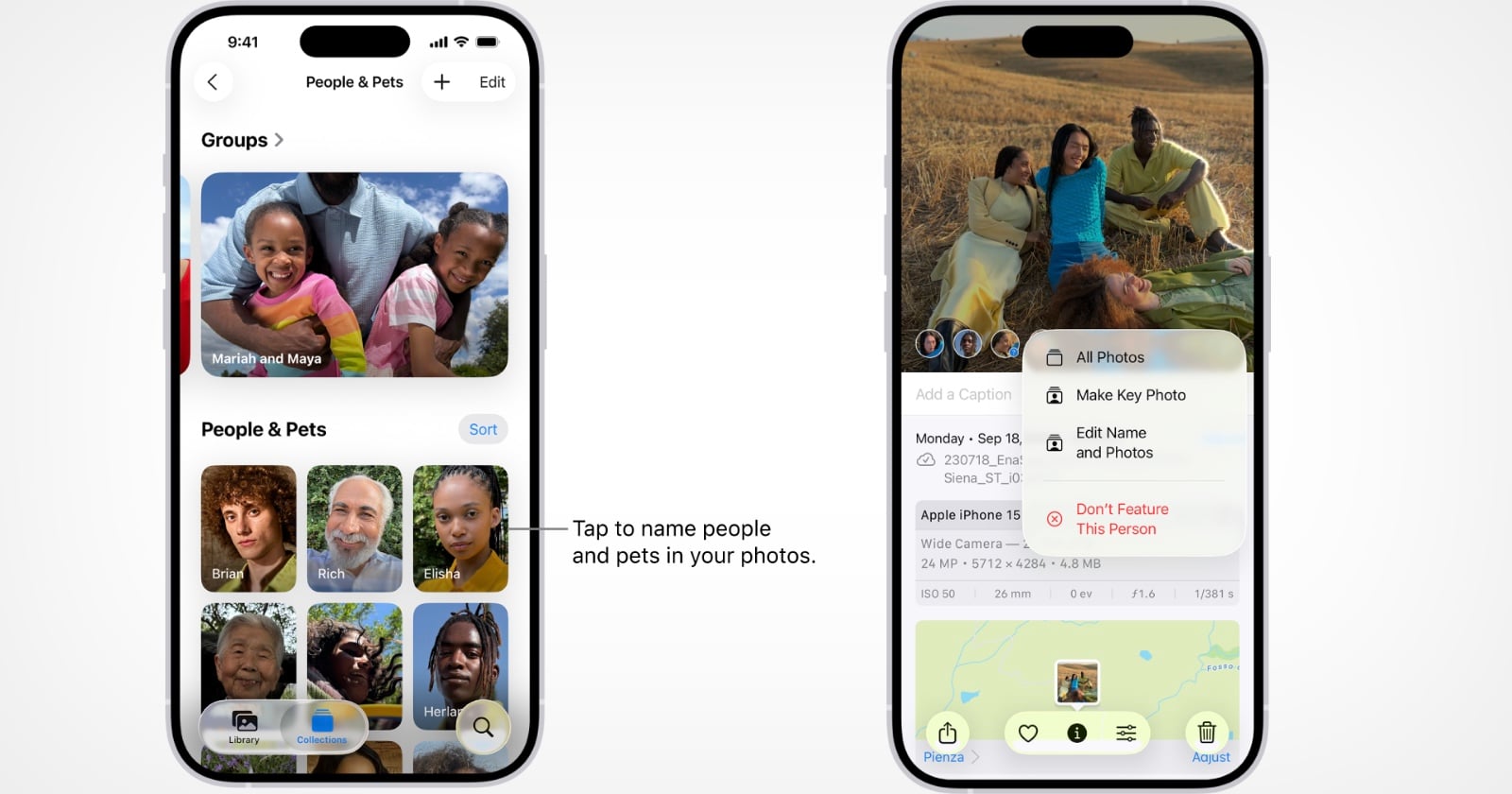
Biometric Data & iPhones: A $32.5 Billion Legal Challenge for Apple
A single photo can hold a world of private data, and Apple is now facing a $32.5 billion legal challenge over claims its iPhone Photos app quietly collected users' biometric information. That is a staggering number, yet it speaks to how deeply our images are woven into identity. The case feels like a reckoning for an industry that often treats convenience as consent. For those tracking creative battles, our piece on Canon's closed lens mount offers a parallel tale of intellectual property tension.

AI Detection Emerges: A Vital Counterpoint to Generative Advancements
Behind every dazzling new generative model lies a quieter question: who is watching the machine? As tech giants pour fortunes into creating ever-more convincing AI imagery, the tools to detect those same images remain an afterthought. It is a curious imbalance, one that feels less like innovation and more like neglect. We appreciate the artistry, but without robust verification, the curated world blurs into the fabricated one.