astronomy
28 stories filed under astronomy on Lee LHGFX Photography. The newest of them: “A Rare Celestial Alignment: Venus and the ISS, Captured Anew.”, “A Month with Mars: Psyche Spacecraft's Stunning Timelapse”, and “Illuminating Nights: A Satellite Brings Sunlight to Earth's Darkness”. Twice in a lifetime, and AJ Smadi has made the impossible look like a rhythm. For one month, Psyche turned its camera toward Mars, capturing thousands of frames as it swept within 2,864 miles of the Red Planet. Lee LHGFX Photography is a dynamic portfolio and lifestyle hub built around the artistic work of @lee_lhgfx — a highly engaged Instagram creator and… The list below is every astronomy story on Lee LHGFX Photography, newest first.

A Rare Celestial Alignment: Venus and the ISS, Captured Anew.
Twice in a lifetime, and AJ Smadi has made the impossible look like a rhythm. He has captured the second-ever photograph of the International Space Station crossing paths with Venus, a feat he also achieved the first time around. There is a quiet poetry in that kind of precision, a blend of timing and artistry that feels almost celestial.
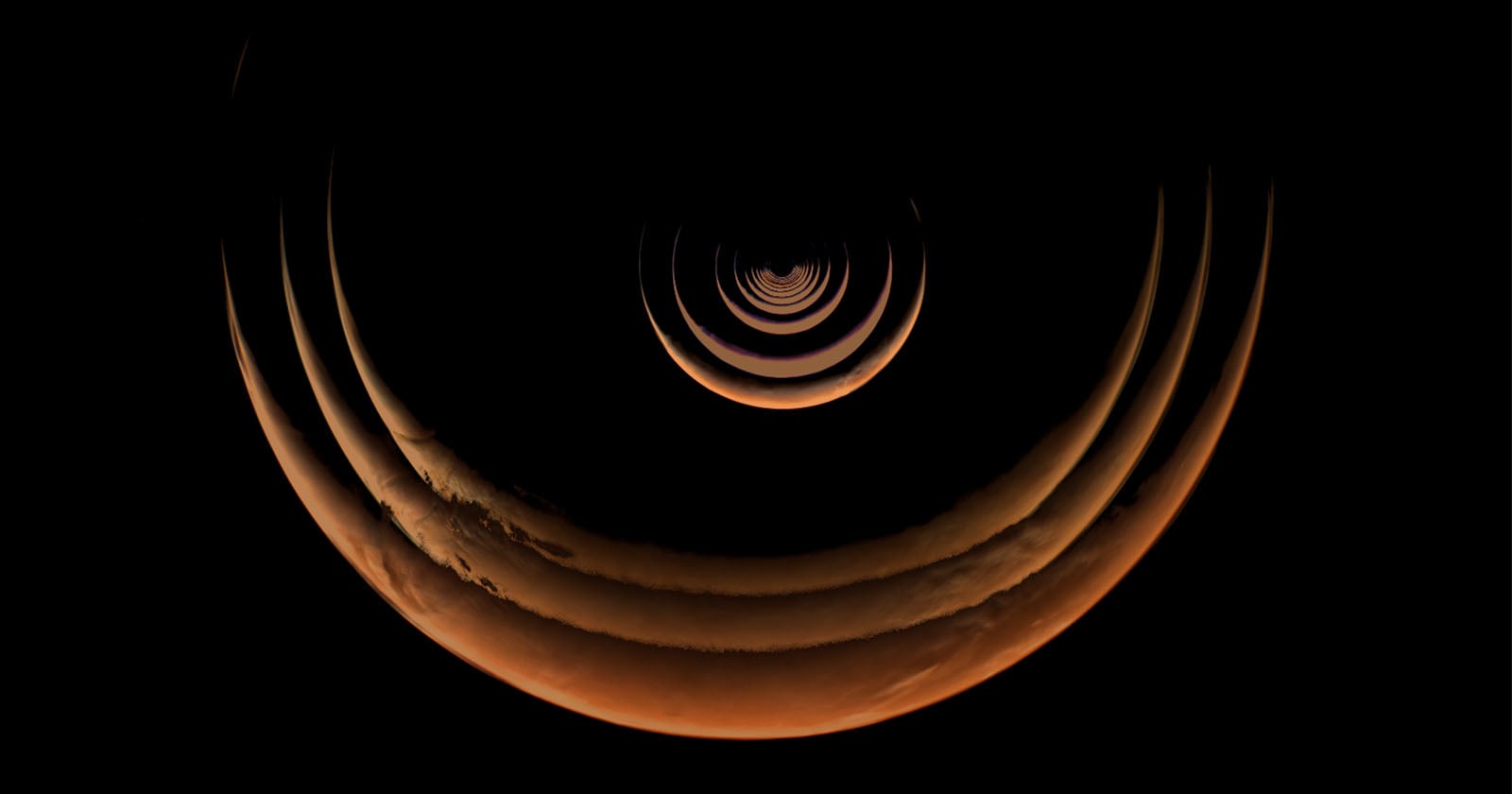
A Month with Mars: Psyche Spacecraft's Stunning Timelapse
For one month, Psyche turned its camera toward Mars, capturing thousands of frames as it swept within 2,864 miles of the Red Planet. The resulting timelapse from NASA JPL feels less like raw data and more like a quiet, curated meditation on motion and distance. That artistic sensibility is exactly why we keep coming back to space photography. It reminds us of the patience behind the frame, much like the craft in *Moments Captured: Shin Noguchi's Street Photography*.
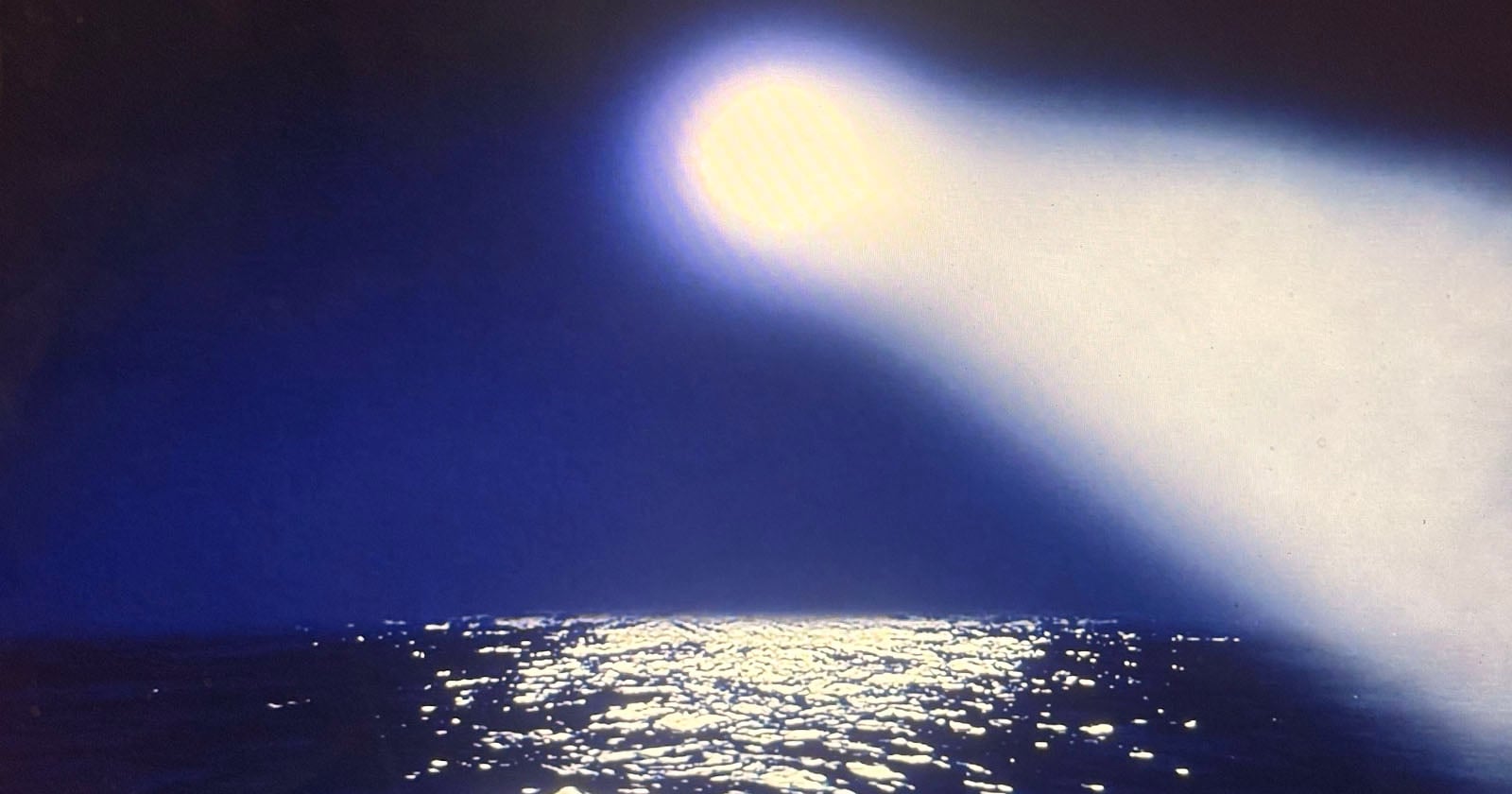
Illuminating Nights: A Satellite Brings Sunlight to Earth's Darkness
Night photography has always meant working with what little light the stars and moon provide. That is, until now. A satellite is flipping the script, beaming sunlight down to your location on demand, turning midnight into something closer to golden hour. The concept feels like science fiction, but it is here, and it is as practical as it is poetic. For creatives chasing that perfect shot after dark, this is worth watching closely.
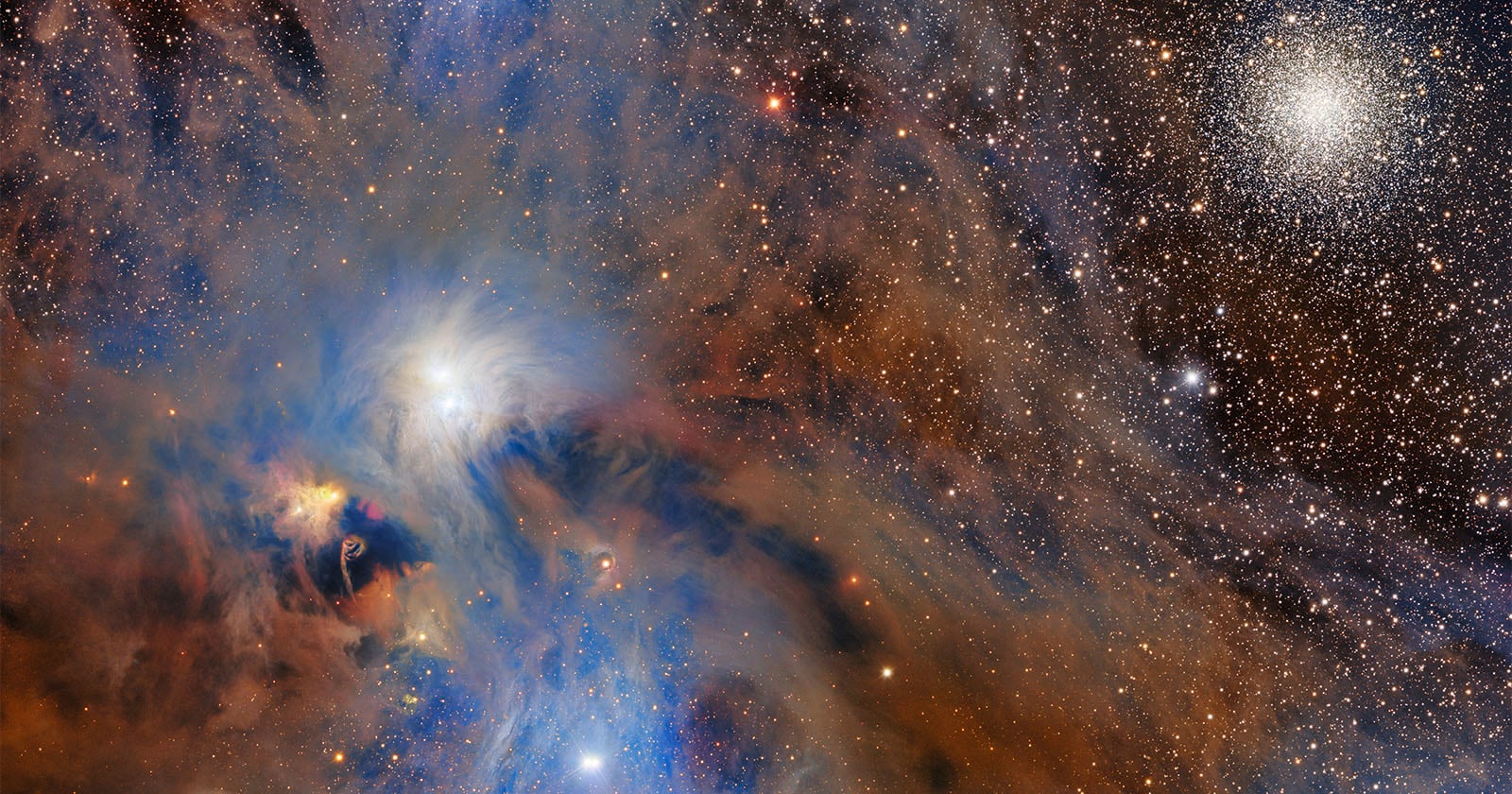
A Starry Night, Captured by Science's Artistic Lens.
A 570-megapixel eye, housed in a Chilean mountain telescope, has turned its gaze toward a cosmic nursery. The Dark Energy Camera captured the Corona Australis Molecular Cloud, one of Earth's closest star-forming regions, with an artist's precision. Science and beauty converge here, revealing swirling dust and nascent light. For another take on capturing the heavens, explore our piece on an astrophotography journey with Nikon. This image is a reminder that the universe's most intimate moments are often its most breathtaking.