space debris
Lee LHGFX Photography keeps space debris in one place: 3 stories so far. The section currently leads with “When NASA's Swift Observatory falls, a celestial chapter meets its earthly end”, “Vanishing Stars: Reflecting Satellites Threaten Night Sky Observations”, and “Preserving Our View: The Satellite Sky and the Future of Astronomy”. Tomorrow, a luminous chapter in the sky draws to a close. The night sky is about to change, and not necessarily for the better. Lee LHGFX Photography is a dynamic portfolio and lifestyle hub built around the artistic work of @lee_lhgfx — a highly engaged Instagram creator and… The list below is every space debris story on Lee LHGFX Photography, newest first.
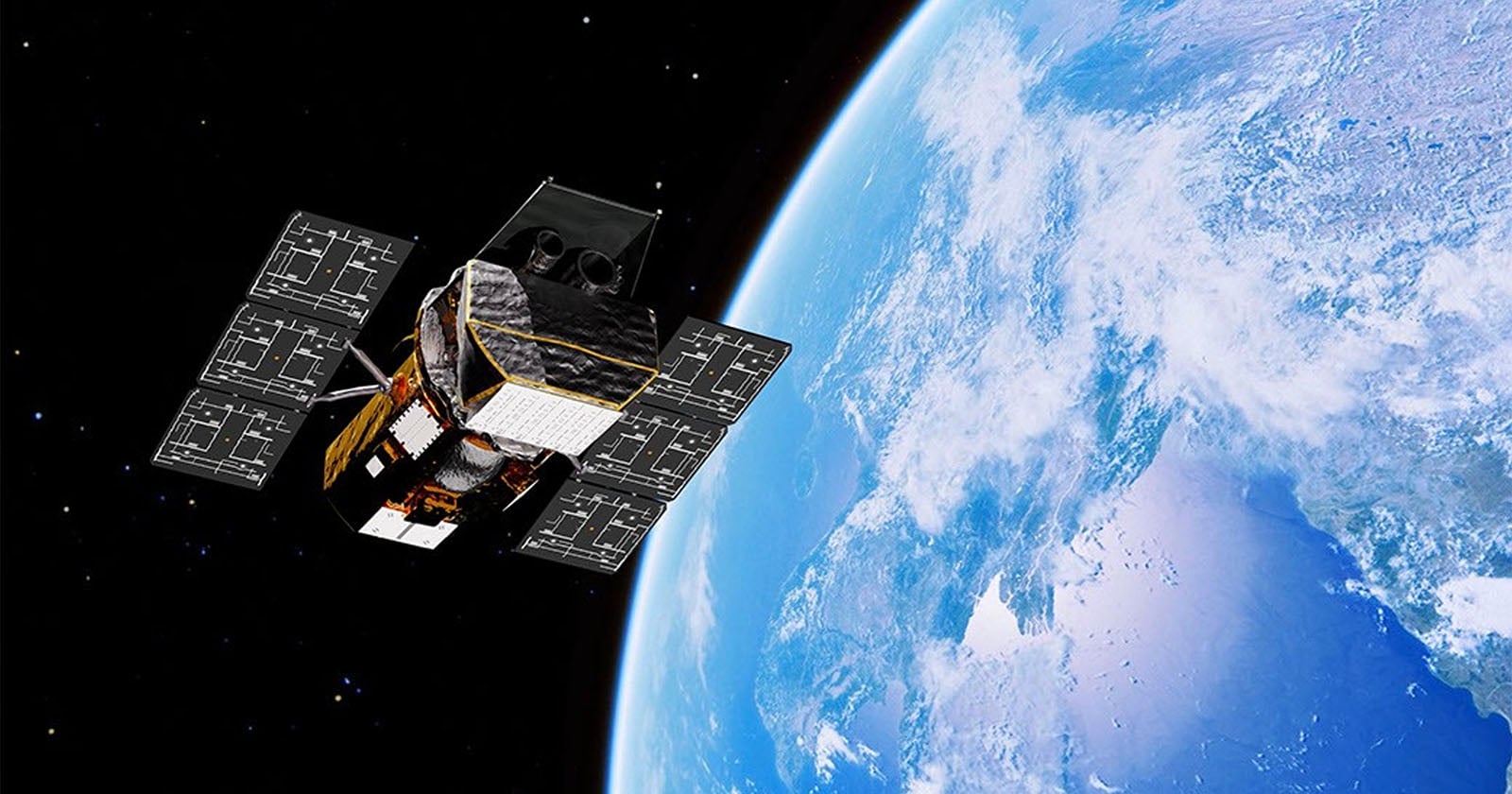
When NASA's Swift Observatory falls, a celestial chapter meets its earthly end
Tomorrow, a luminous chapter in the sky draws to a close. NASA's Neil Gehrels Swift Observatory is expected to re-enter Earth's atmosphere, most of it burning up in a final, fiery arc. While the odds of surviving debris causing harm are exceedingly slim, the end of this celestial sentinel feels quietly monumental. For a deeper exploration of enduring design, our piece on OM System executives reflecting on sensor sizes offers a fittingly curated companion.

Vanishing Stars: Reflecting Satellites Threaten Night Sky Observations
The night sky is about to change, and not necessarily for the better. When enormous reflecting satellites begin populating the darkness, they carry the potential to blind amateur astronomers and astrophotographers mid-observation. It is a striking irony that our quest for connectivity could obscure the very cosmos we seek to document. This is a moment for vigilance, where capturing the stars requires navigating new, artificial lights. For those dedicated to the craft, patience is becoming as essential as the gear itself.
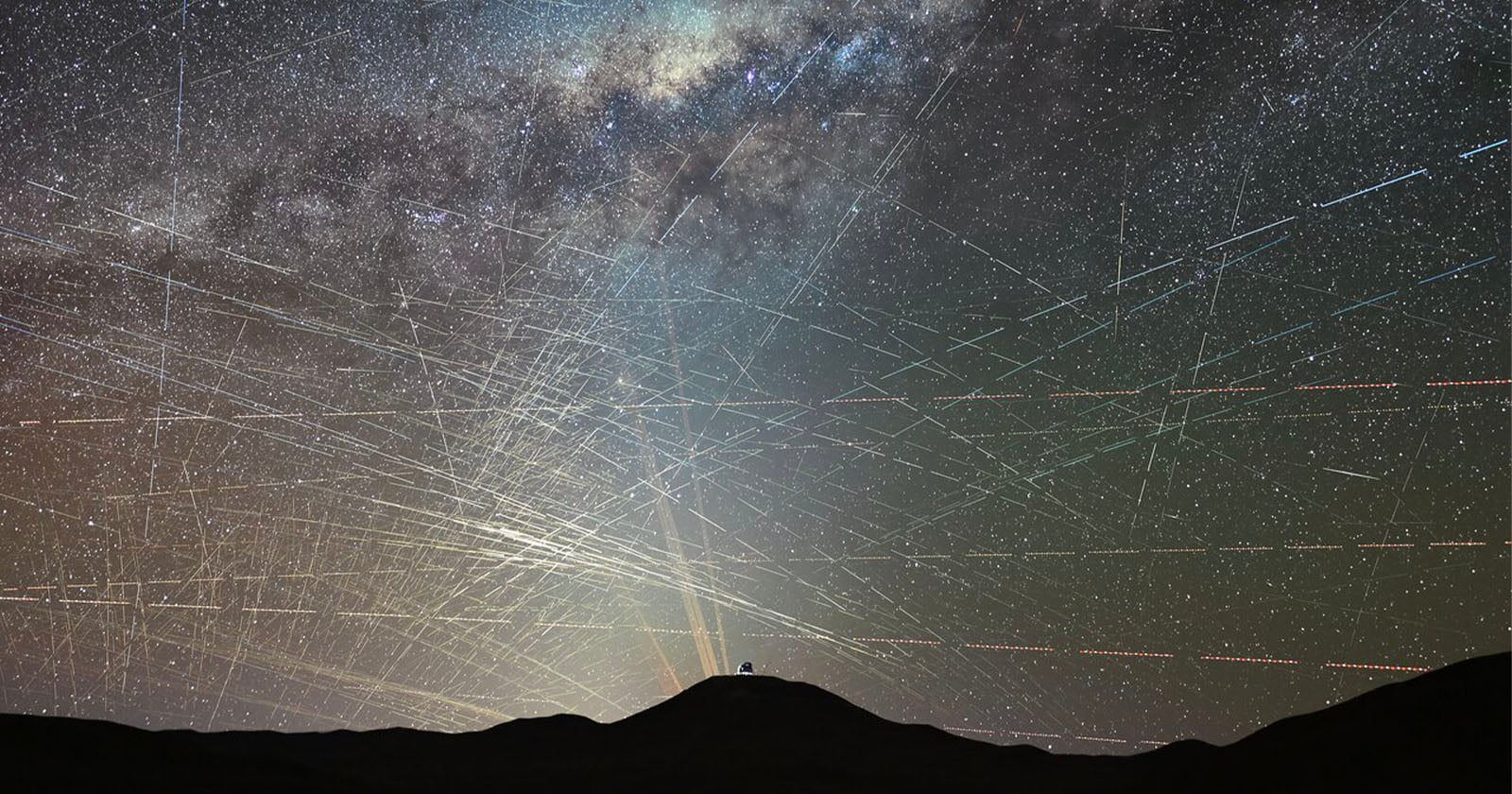
Preserving Our View: The Satellite Sky and the Future of Astronomy
A single satellite can outshine nearly every star in the sky, and one astronomer warns that a planned fleet of 1.7 million could permanently alter our view of the Universe. That is not a distant hypothetical; it is a looming shift in the night's character. The proposals, including some incredibly bright units, promise what he calls devastating consequences for humanity's connection to the cosmos. We are not just losing a view; we are losing a cultural constant.