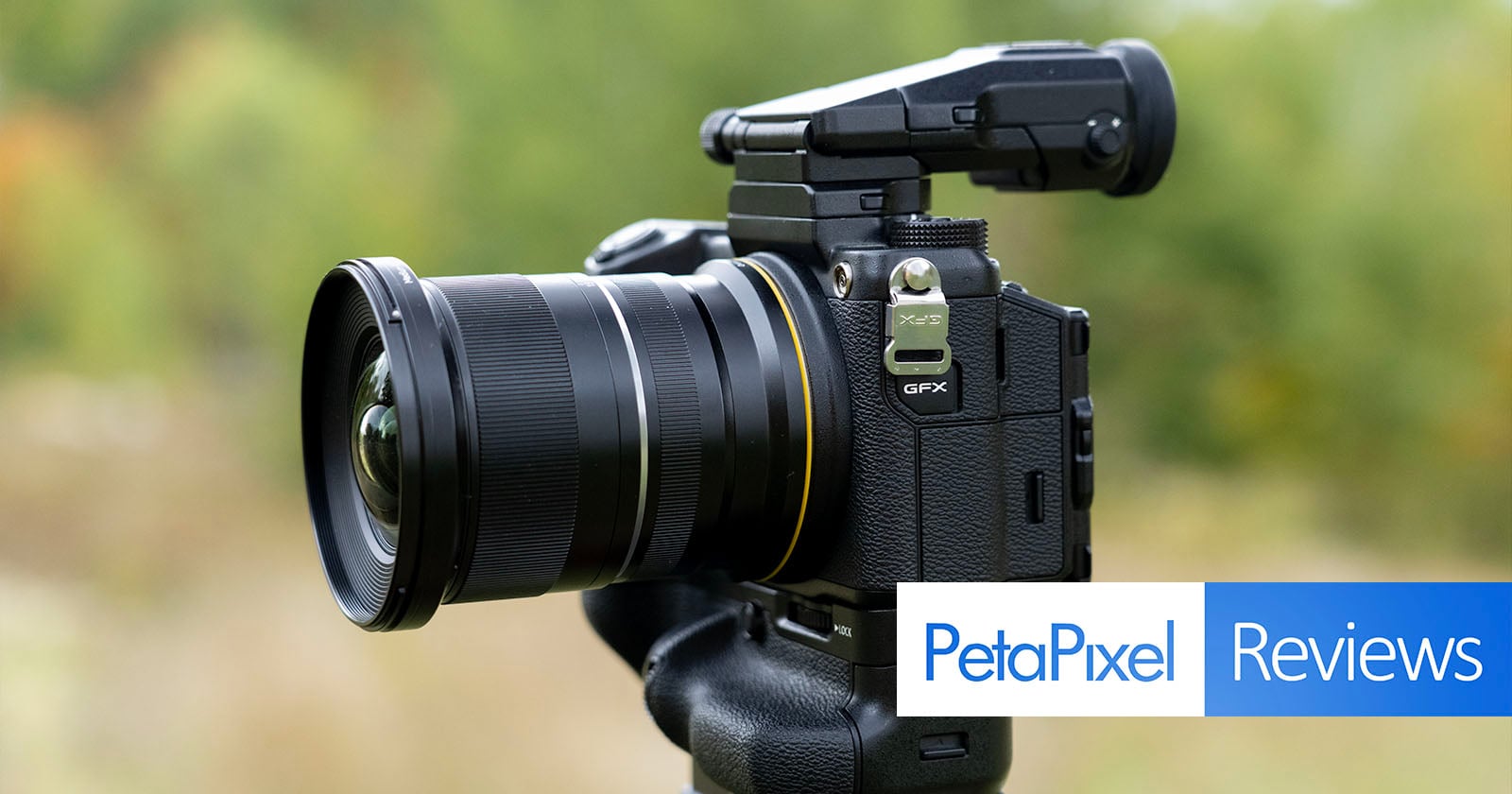
The GFX system has always been about more than resolution, it's about a certain way of seeing. NiSi's new ultra-wide 16mm f/2.8 lens for Fujifilm's medium-format mount proves that the ecosystem is now mature enough to invite serious third-party innovation, and that is a creative milestone worth celebrating. For photographers who have spent years working within the GFX's expansive frame, this lens doesn't just add a focal length; it redefines what's possible at the edges of the image.
When a system earns the trust of independent optical engineers, it signals that the platform has become a legitimate creative tool, not just a niche experiment. NiSi's entry into G-mount glass is a direct vote of confidence in the GFX's longevity and its user base. For the working photographer, whether documenting the quiet devastation of Thirteen Years of Portraits Bearing Witness to Unthinkable Loss or chasing the fleeting light of Twenty autumns of finding color, composition, and a richer creative rhythm, this means the toolset just got wider, literally and conceptually. A 16mm lens on medium format offers a field of view that pushes into architectural and environmental territory previously reserved for full-frame ultrawides, but with the GFX's signature depth and tonal richness.
Our take is straightforward: this is not a lens for everyone, and that is exactly its strength. The 16mm f/2.8 is an instrument for photographers who already know they need to compress foreground and background into a single, breathing composition. It demands intention. You cannot point it at a scene casually and expect a snapshot; it will show you every edge, every line, every relationship between elements. For those who have spent years refining their eye, like the practitioners of the The Art of Veiled Devotion: Uncovering the Hidden Mother in Early Photography who learned to read meaning into every corner of the frame, this lens becomes a collaborator in seeing more deliberately.
What remains to be seen is how NiSi balances optical quality with the sheer challenge of correcting distortion at this extreme width on a medium-format sensor. The real question for our audience is not whether the lens is sharp, but whether it inspires a new kind of image. If it does, the GFX system will have gained more than a third-party option; it will have gained a new creative edge. Watch how early adopters use that extra space, the most telling photographs will come from those who treat 16mm not as a novelty, but as a discipline.