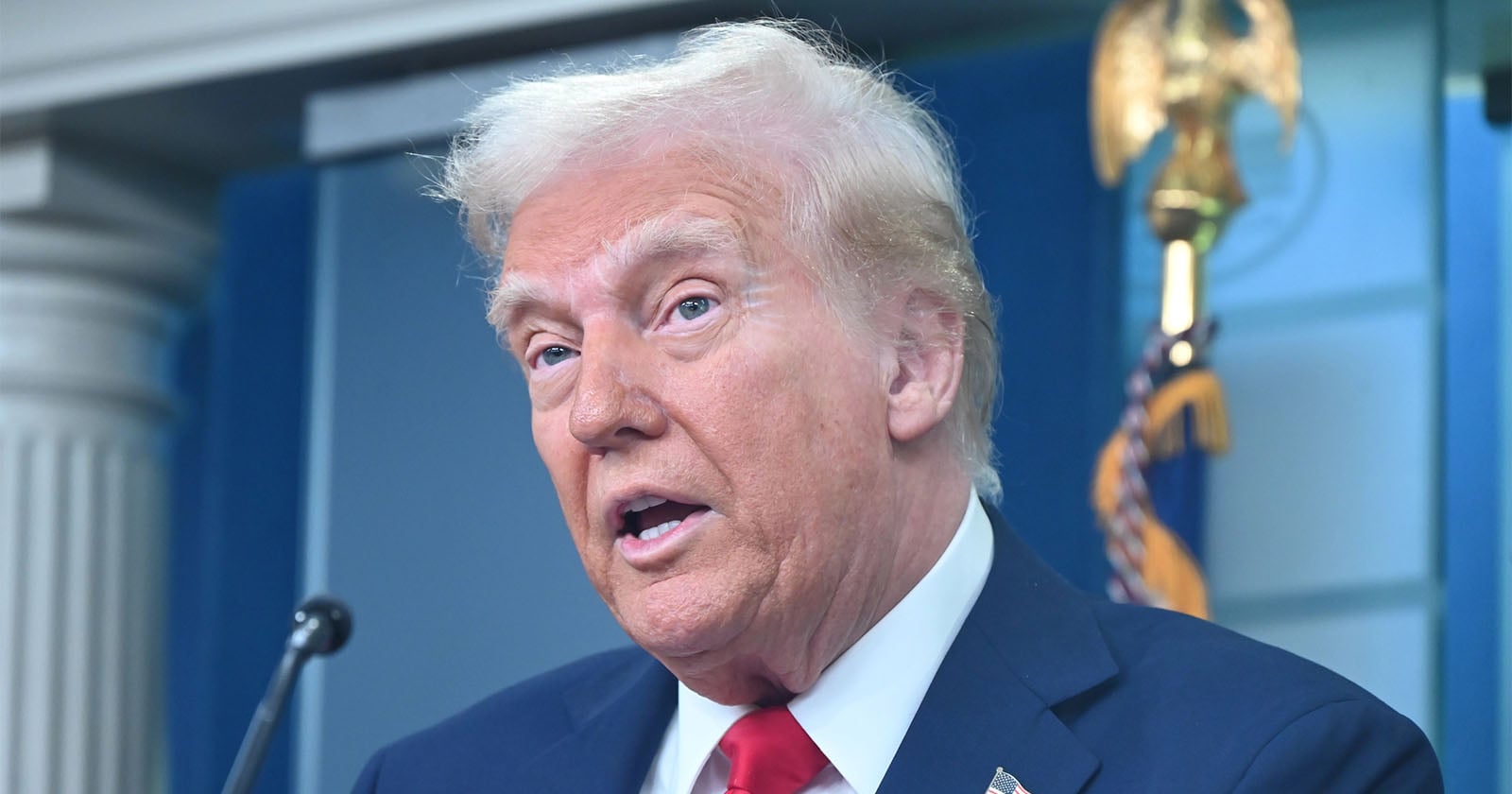
Rebranding intelligence feels a little like rearranging deck chairs on a digital titanic, and we're not convinced a new name will change how the public feels about the physical reality of AI's footprint. President Trump's reported desire to reframe artificial intelligence, presumably to soften the image of the data centers he wants to build across the country, is a masterclass in aesthetics over substance. But as a publication that lives at the intersection of art, wellness, and style, we know that perception is a form of curation, and this particular curation is missing the most important element: authenticity.
The tension here is familiar to anyone who has watched Nicolas Cage Take a Stand Against AI's Role in His Art or seen Artistry's New Frontier: Nikon Pulls the Prize When AI Breaks the Frame. Those stories are about creators drawing hard lines, protecting the human hand from the algorithm. Here, we have the opposite impulse: a government trying to make the machine more palatable by polishing its vocabulary. The artists and the photographers are saying, "Show us the work, show us the process." The rebranding effort seems to be saying, "Look away from the concrete and the cables, and focus on the promise." That disconnect is where trust goes to die.
For our readers, the practical takeaway is this: the next time you hear a new term for AI, ask what it is replacing. Is it replacing "data center"? Is it replacing "energy consumption"? Is it replacing the very real questions about labor, privacy, and creative ownership that artists like Cage are raising? A rebrand can make a thing feel more aspirational, but it cannot make it more true. We are a community that values the curated, the immersive, and the vibrant, but we also value the authentic. A rose by any other name still needs a foundation, and in this case, the foundation is a sprawling network of physical infrastructure that communities are being asked to accept on faith.
The deeper issue is that this effort treats public perception as a design problem rather than a trust problem. You cannot style your way out of a substantive debate. The related stories from our own pages show a public that is increasingly sophisticated, increasingly skeptical, and increasingly willing to demand transparency from institutions, whether they are camera manufacturers or the White House. The Bishops Question White House Photo Release is a perfect example: even a simple image release becomes a flashpoint when the subjects feel their representation is being controlled without consent. AI is not a photo, but the principle holds. The people who will live next to these data centers, and the artists whose work may be trained upon without permission, are not asking for a prettier name. They are asking for a seat at the table.
So, what happens when the rebrand lands? We will be watching to see if the new language is matched by new behavior. Will the new term come with clearer disclosure about what data is being collected? Will it come with a commitment to energy transparency? Or will it just be a more elegant way to say "progress"? Our bet is on the latter, and that is precisely why the artists, the photographers, and the bishops will keep pushing back. The frontier is not about naming the future; it is about deciding who gets to shape it. And that is a conversation no rebrand can curate away.