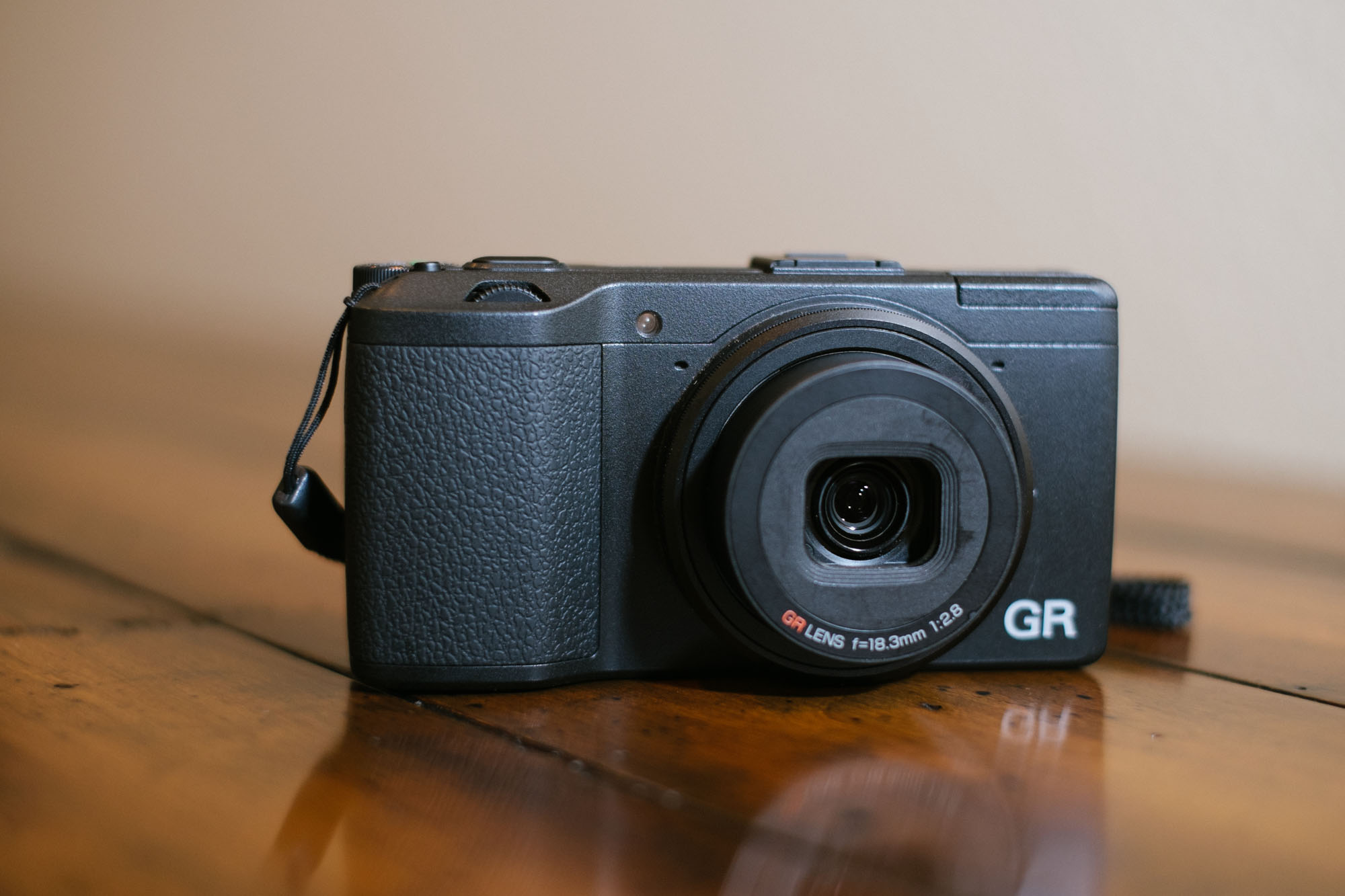
There is something quietly rebellious about choosing a vintage camera today, and we are here for it. In a world where every new device promises faster autofocus and sharper pixels, picking up a Fujifilm or a Ricoh from decades past is not nostalgia for nostalgia's sake, it is a deliberate return to craft. The act of winding film, guessing the exposure, and waiting days for a print forces a slower, more intentional relationship with the image. That discipline is exactly what modern photography too often lacks, and it is why these older models deserve a place in any creative's kit.
The appeal runs deeper than aesthetics. When we recently explored Two decades of soul: why the Canon EF 50mm F1.2 still captivates, we were struck by how a lens from 2004 continues to teach photographers about patience and light. A vintage camera body demands the same mindset: you cannot spray and pray. Every frame costs money and time, so you compose with care. The Fujifilm X Half, as we noted in The Fujifilm X half Pauses the Frame, Inviting Curious Composition, literally halves the frame, forcing you to see the world in a new ratio and rhythm. These are not limitations; they are invitations to slow down and notice what the endless burst mode of a smartphone lets us ignore.
For the health-conscious, creative audience we speak to, this matters in a practical way. The same deliberate attention that makes a vintage camera rewarding translates directly to how we move, eat, and dress. A curated morning routine, a mindful yoga flow, a wardrobe built on timeless pieces rather than fast trends, all of it echoes the philosophy of a manual camera. You choose your settings, you commit to the shot, and you accept the imperfections as part of the story. That authenticity is what separates a cherished photograph from a disposable swipe. Even the modern compact lens world nods to this ethos: The Art of Travel in Full Frame: Viltrox EVO 26mm f/2.8 proves that full-frame quality can live in a pancake form factor, but the soul of the image still depends on the person behind the viewfinder.
Here is the concrete takeaway: before you upgrade your gear, ask whether a newer sensor will actually change how you see. A vintage camera will not give you better resolution, but it will give you a better eye. The question is not which camera is newest, but which one teaches you to look again.