machine learning
14 stories filed under machine learning on Lee LHGFX Photography. The newest of them: “Canva's new AI model weaves imagination from design, not photographs”, “When the Mind's Eye Speaks, AI Paints the Picture”, and “Your next creative leap, curated by Instagram's new video assistant”. Canva trained its new AI model on design templates rather than photographs, and the result feels less like reality and more like a daydream. When the mind's eye speaks, AI now paints the picture. Lee LHGFX Photography is a dynamic portfolio and lifestyle hub built around the artistic work of @lee_lhgfx — a highly engaged Instagram creator and… The list below is every machine learning story on Lee LHGFX Photography, newest first.
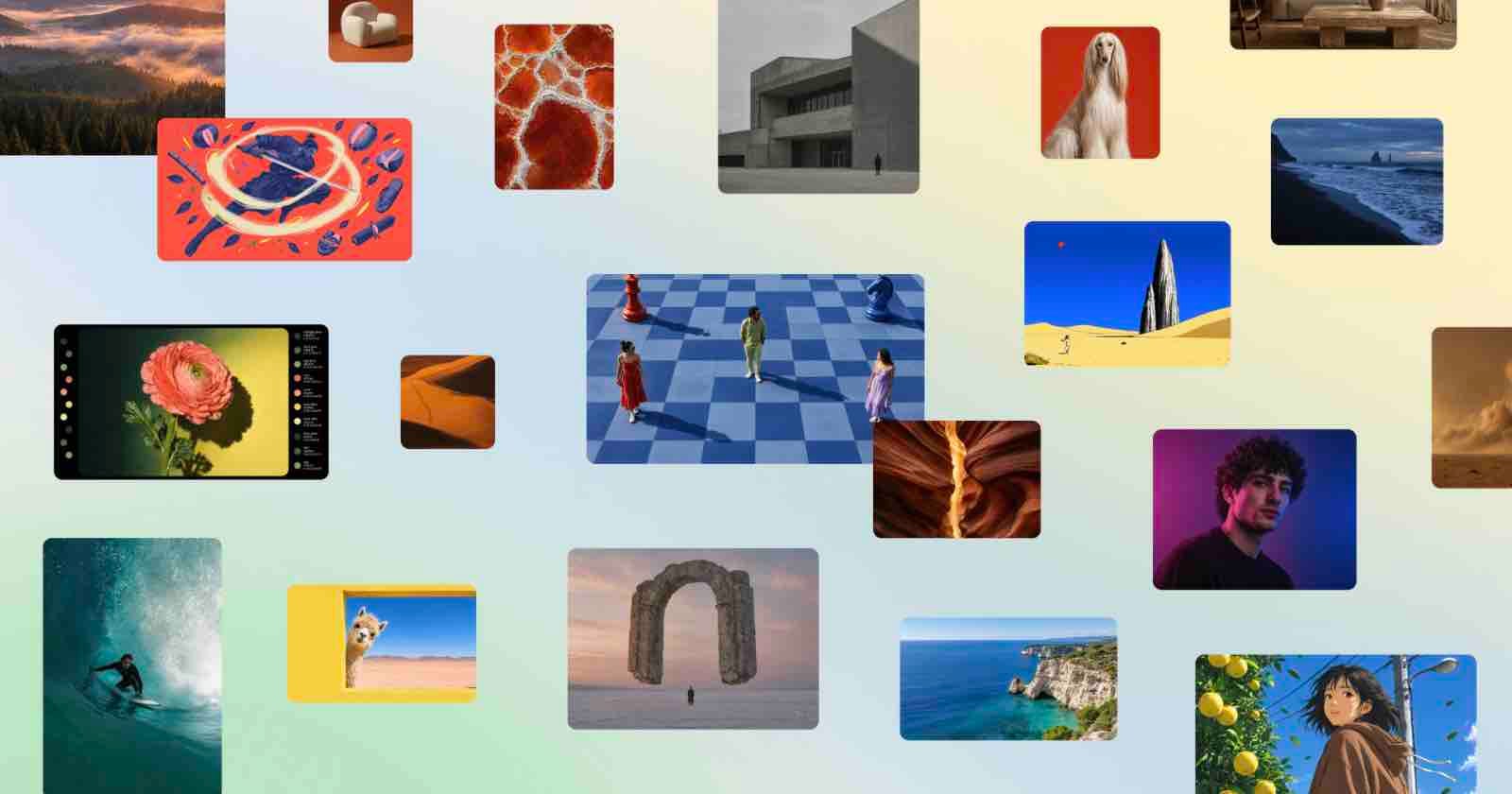
Canva's new AI model weaves imagination from design, not photographs
Canva trained its new AI model on design templates rather than photographs, and the result feels less like reality and more like a daydream. This isn't about mimicking a snapshot; it's about weaving imagination from composition, color, and layout. The approach is refreshingly artistic. For a deeper look at how AI is reshaping visuals, sometimes with wildly unexpected results, our piece on Just Eat's AI-generated menu mishaps offers a fascinating counterpoint.
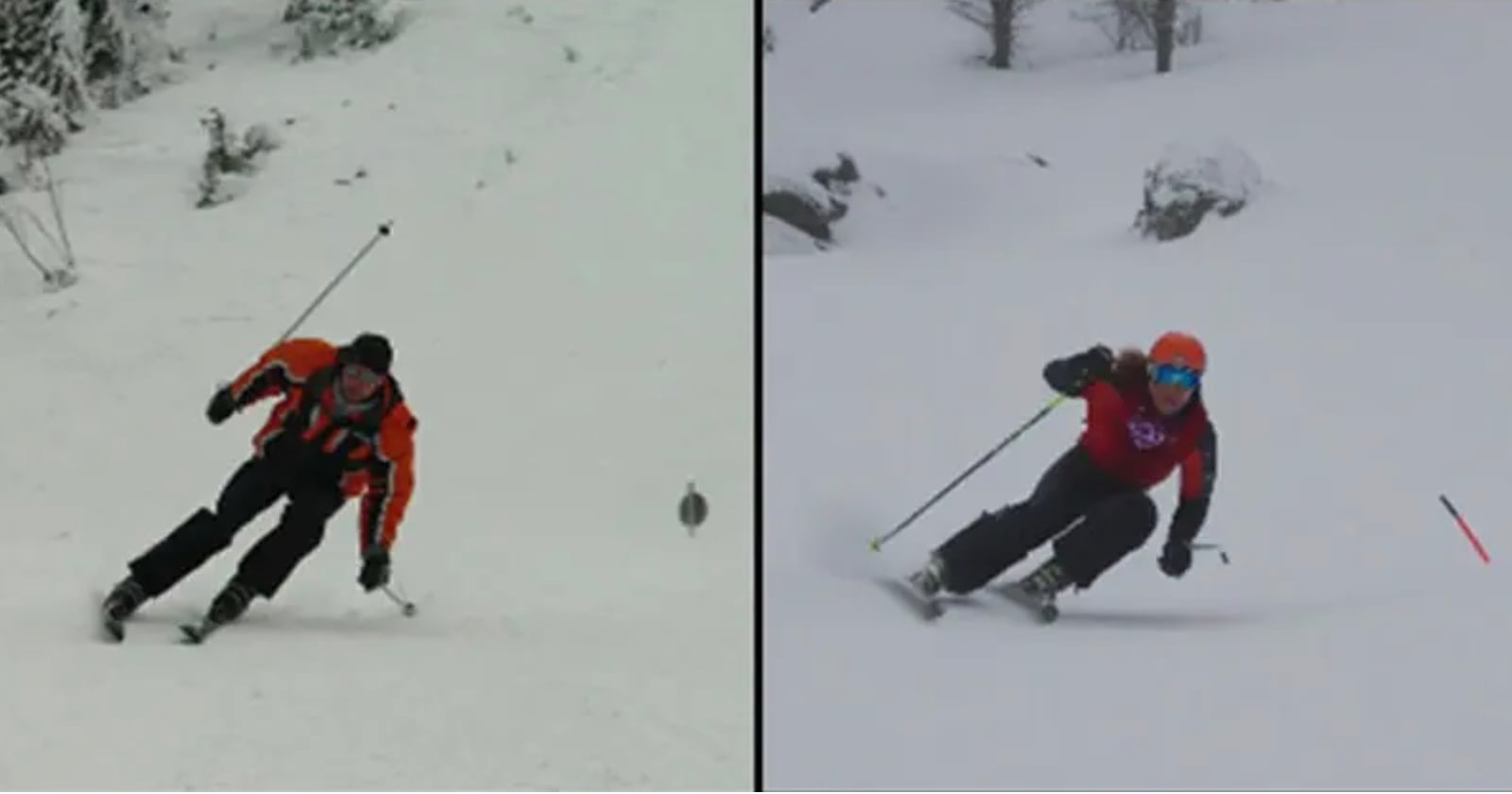
When the Mind's Eye Speaks, AI Paints the Picture
When the mind's eye speaks, AI now paints the picture. Scientists have developed a model that reads brain activity and reconstructs what a person is seeing, with speed and accuracy that feels almost intimate. The original image sits beside its AI-born twin, and the resemblance is striking. It's a quiet collision of neuroscience and artistry, where perception becomes canvas. For a deeper look at how AI is reshaping visual creativity, explore our piece on Instagram's new video assistant.
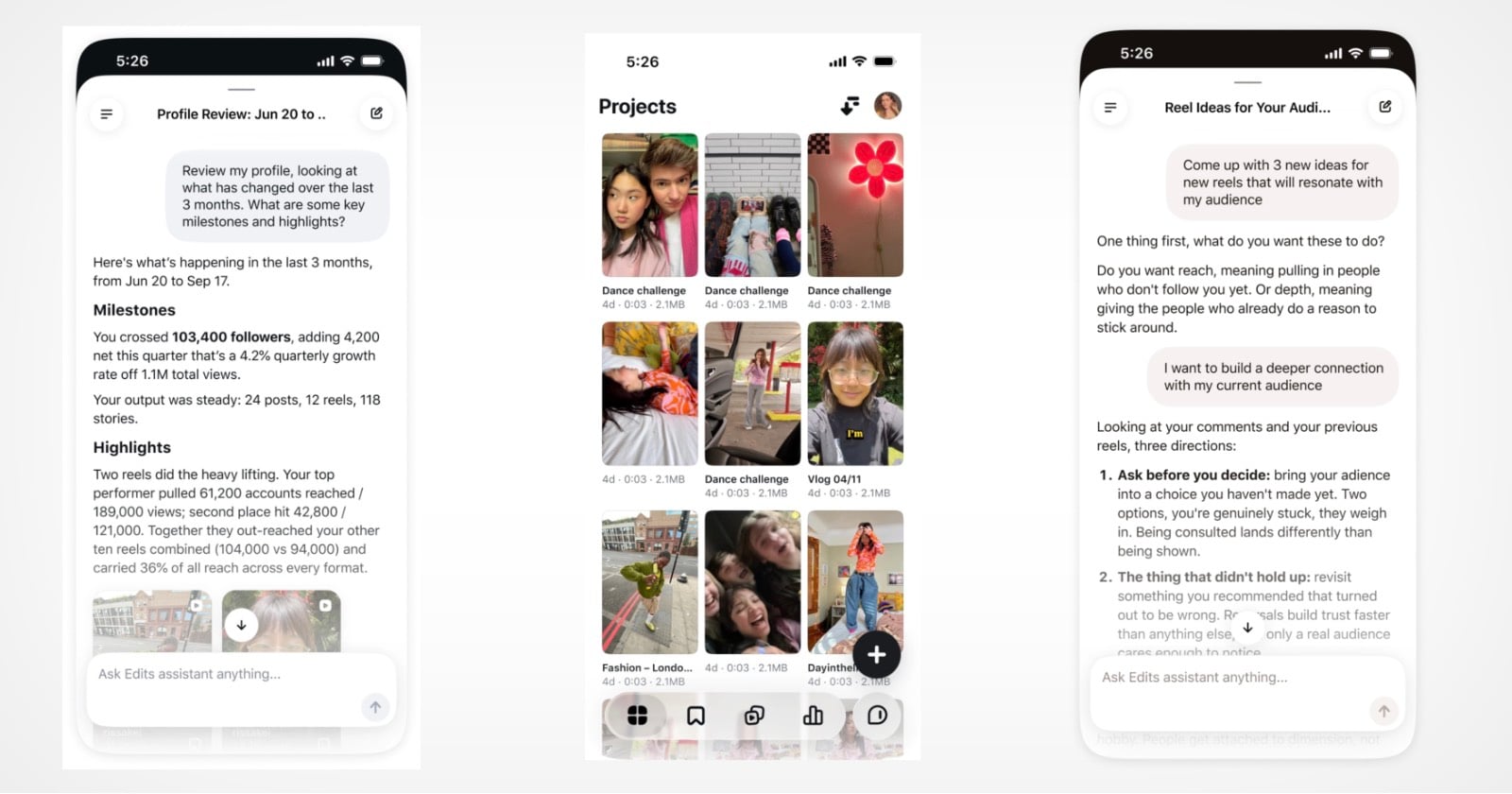
Your next creative leap, curated by Instagram's new video assistant
Your next creative leap shouldn't be a guess. Instagram's new AI video assistant analyzes your Reels performance and suggests exactly what to make next, a curator for your momentum. It's aspirational without being prescriptive, blending data with artistic instinct. We appreciate tools that honor the craft while sharpening the direction. For more on how platforms shape creative choices, see our piece on *Instagram's New Pixel Effect Curates the Art of the Soft Launch*, a different kind of algorithmic nudge, equally worth exploring.
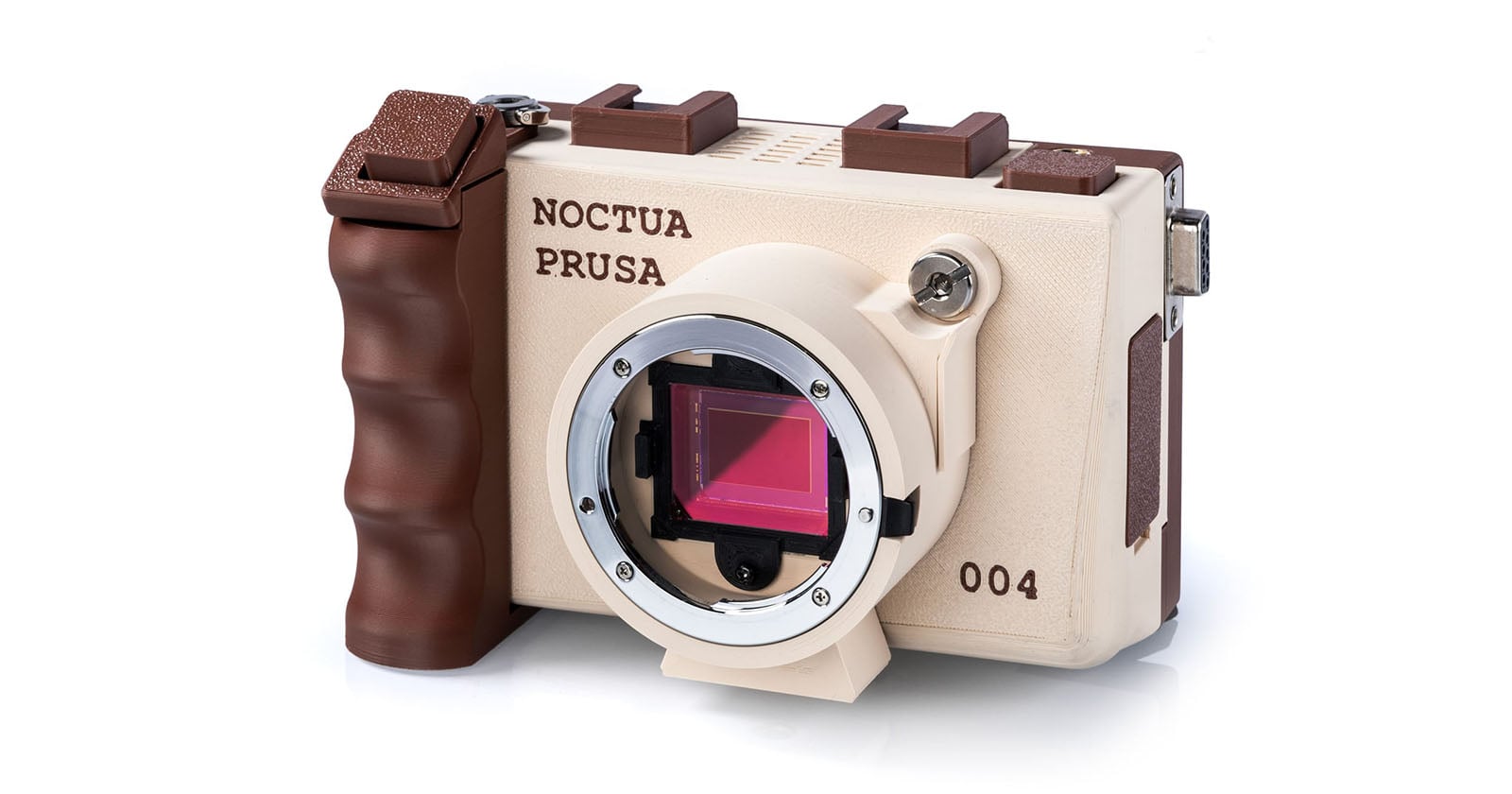
Authenticity Captured: A New Camera Battles AI-Driven Image Doubt
In a world where seeing is no longer believing, Caimera's new prototype camera fights back with cold, hard math. Teaming up with PC fan maker Noctua, the CAIM1, or "Counter Artificial Intelligence Machine 1," uses cryptographic authentication at the very moment of capture. It is a clever, grounded answer to AI-driven image doubt. We love the irony of a name that sounds like a warning. For more on the artistry behind the lens, our piece on the 5 Boro Foto Fest is worth a look.

Unlock Your Photo Potential: Gemini Spark Meets Google Photos.
Imagine telling your photo library what to do and watching it respond. Google just made that real: Gemini Spark now works with Google Photos, letting AI Pro and Ultra subscribers manage, edit, and share images through simple prompts. It's a curated, immersive way to handle your visual world, blending utility with a touch of artistry. For those who love a refined lifestyle, this feels like a natural next step. And if you're exploring creative tools, our piece on Leica Lux 2.
Nvidia Acquires Hugging Face: A $13 Billion AI Power Play
Nvidia's $12.93 billion acquisition of Hugging Face lands with the weight of a statement: AI's infrastructure is now as much about community as compute. It's a bold, expensive bet on the platform where models go to live, share, and evolve. We're watching a power play that feels less like a merger and more like a curation of the field's most vibrant minds. For a deeper look at how creative tools are reshaping digital expression, our piece on Adobe's Gemini integration pairs nicely with this moment.

AI-Powered Camera: Dreame Leaptic Cube Redefines Photography—or Disrupts It?
Dreame Technology is stepping into IFA 2026 with the Leaptic Cube, an AI-powered camera that leans fully into automation rather than the cautious approach favored by European and Japanese brands. It's a bold move, and for photographers who prize manual control, it might feel less like a tool and more like a challenge. The real question isn't whether the tech works, but what it asks of the artist.
Photographer's App Data Mishap Finds Unexpected Resolution
Last week, PetaPixel reported that Cara, an anti-AI photo app, had its entire content scraped into a dataset without consent. It turns out this story has a happy ending, one that feels almost curated by design. The resolution arrives not with a heavy hand, but with a quiet sense of justice. We love seeing authenticity win.
AI Innovation & Hollywood: A New Era of Copyright Collaboration
ByteDance and the Motion Picture Association have signed an agreement to tighten copyright protections for AI video and image models. It's a pragmatic step, acknowledging that creativity and technology need guardrails, not just momentum. The partnership signals a mature conversation about ownership in a generative era. For creators, clarity like this matters. If you're curious how AI tools are reshaping creative workflows elsewhere, our piece on Adobe bringing Lightroom and Photoshop into Gemini offers a useful counterpoint.
Instagram's Algorithm Evolved: Every Public Post Now Analyzed.
Every public post on Instagram now feeds the algorithm's next move, a quiet but profound shift revealed during Meta's Q2 earnings call. Zuckerberg's message is clear: the platform is listening to what you share, not just who you follow. We find this refreshingly transparent, a step toward more authentic discovery. It turns the feed into a living gallery of your taste.
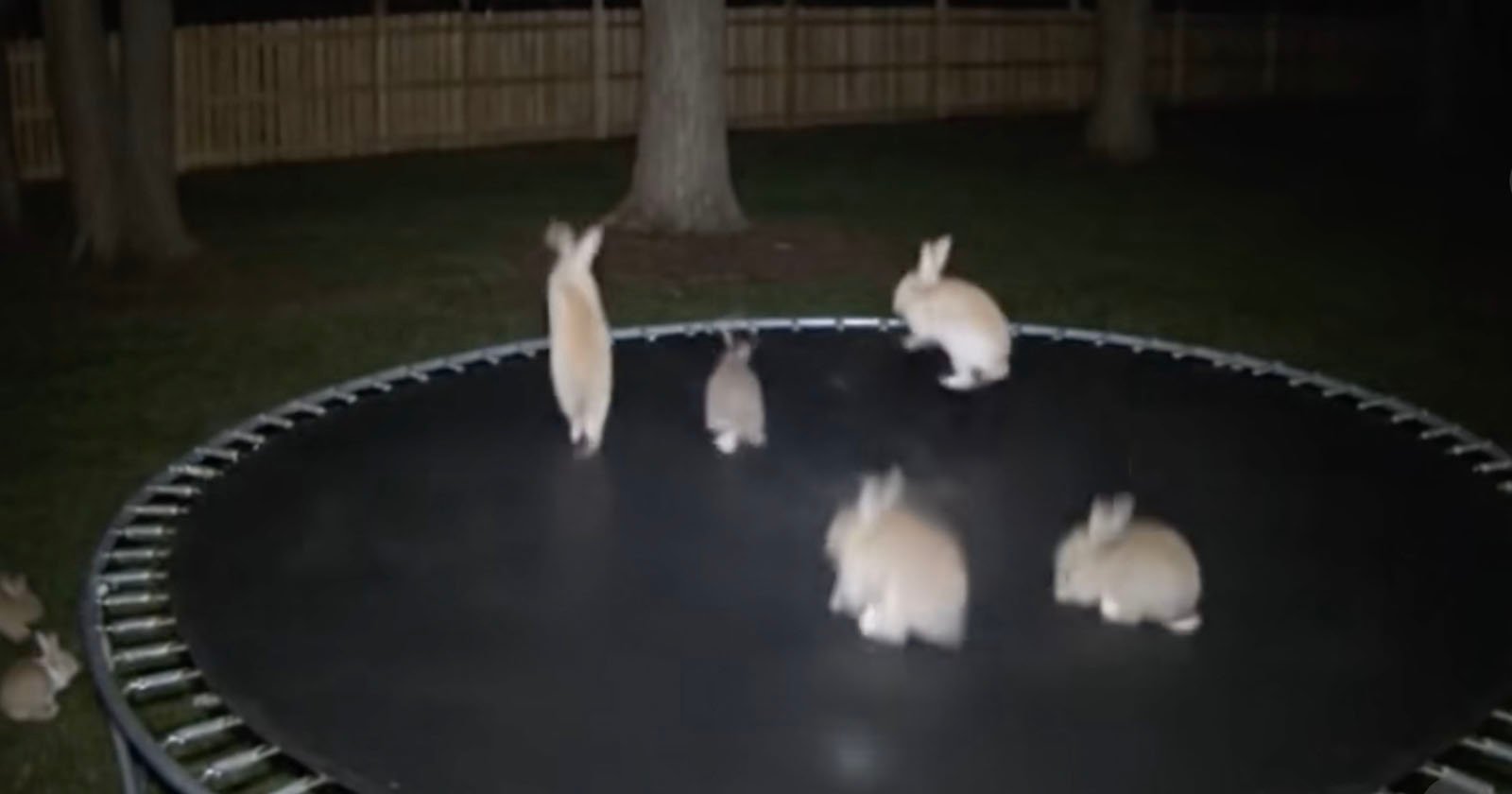
Unmasking AI Deception: New Tool Tracks Fake Videos to Their Source.
Every digital creation carries a signature, and now we can read it. Researchers have developed a tool that traces AI-generated videos back to the specific model that produced them, using unique visual fingerprints left behind by these systems. It is a quiet form of authentication in a world where seeing no longer means believing. The implications feel immediate, especially as synthetic media weaves into our daily visual culture.
AI Detection Emerges: A Vital Counterpoint to Generative Advancements
Behind every dazzling new generative model lies a quieter question: who is watching the machine? As tech giants pour fortunes into creating ever-more convincing AI imagery, the tools to detect those same images remain an afterthought. It is a curious imbalance, one that feels less like innovation and more like neglect. We appreciate the artistry, but without robust verification, the curated world blurs into the fabricated one.
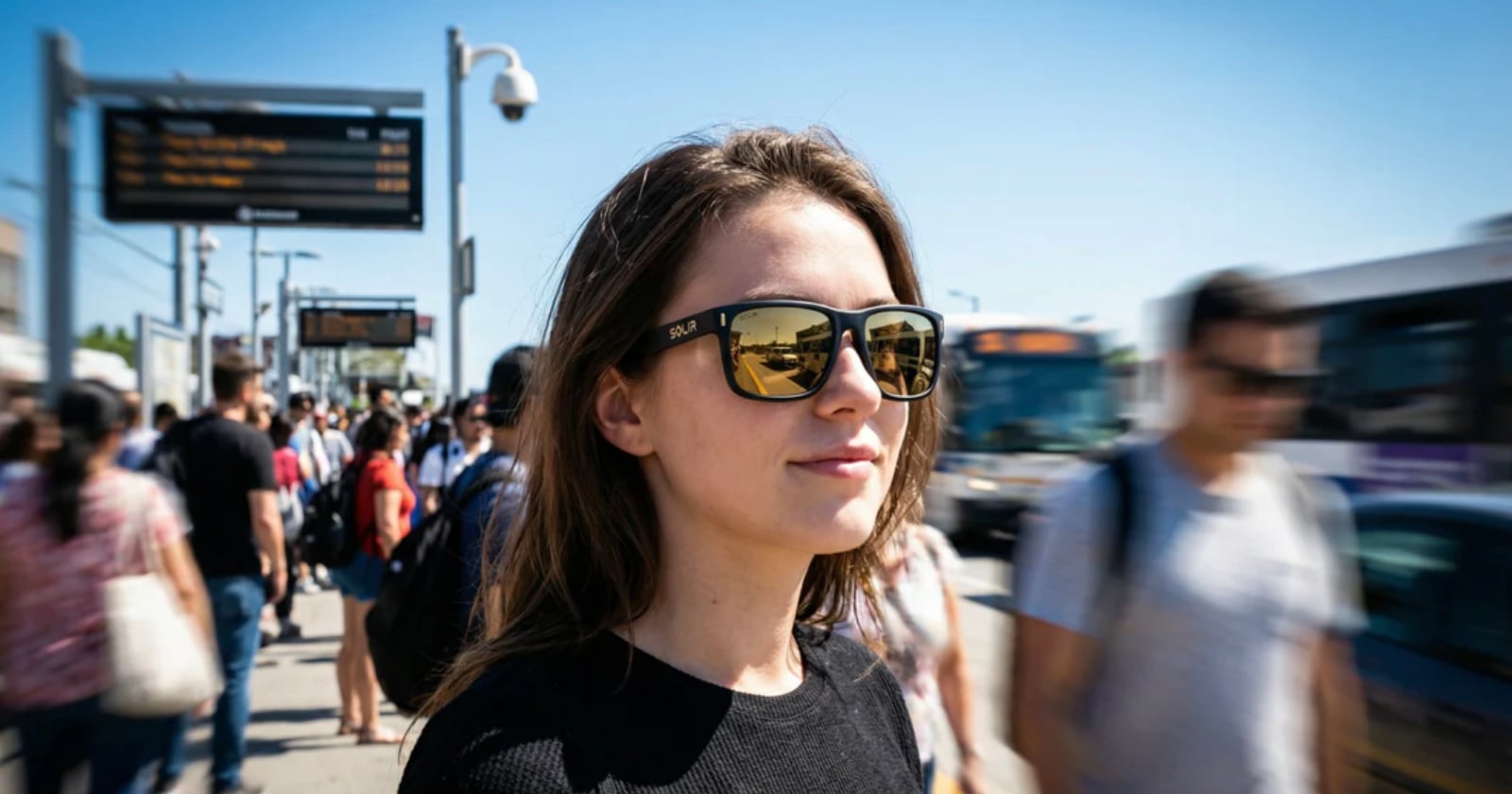
Obscure Your Image: Eyewear Defying Facial Recognition Technology
Facial recognition was meant to make the world safer, but for many, it feels like an invisible net closing in. A rising wave of eyewear brands is answering with something quietly radical: glasses engineered to scramble the cameras that track us. It is a clever, artistic rebellion, where fashion becomes a shield. We find this thrilling. It is not paranoia; it is self-expression under pressure.
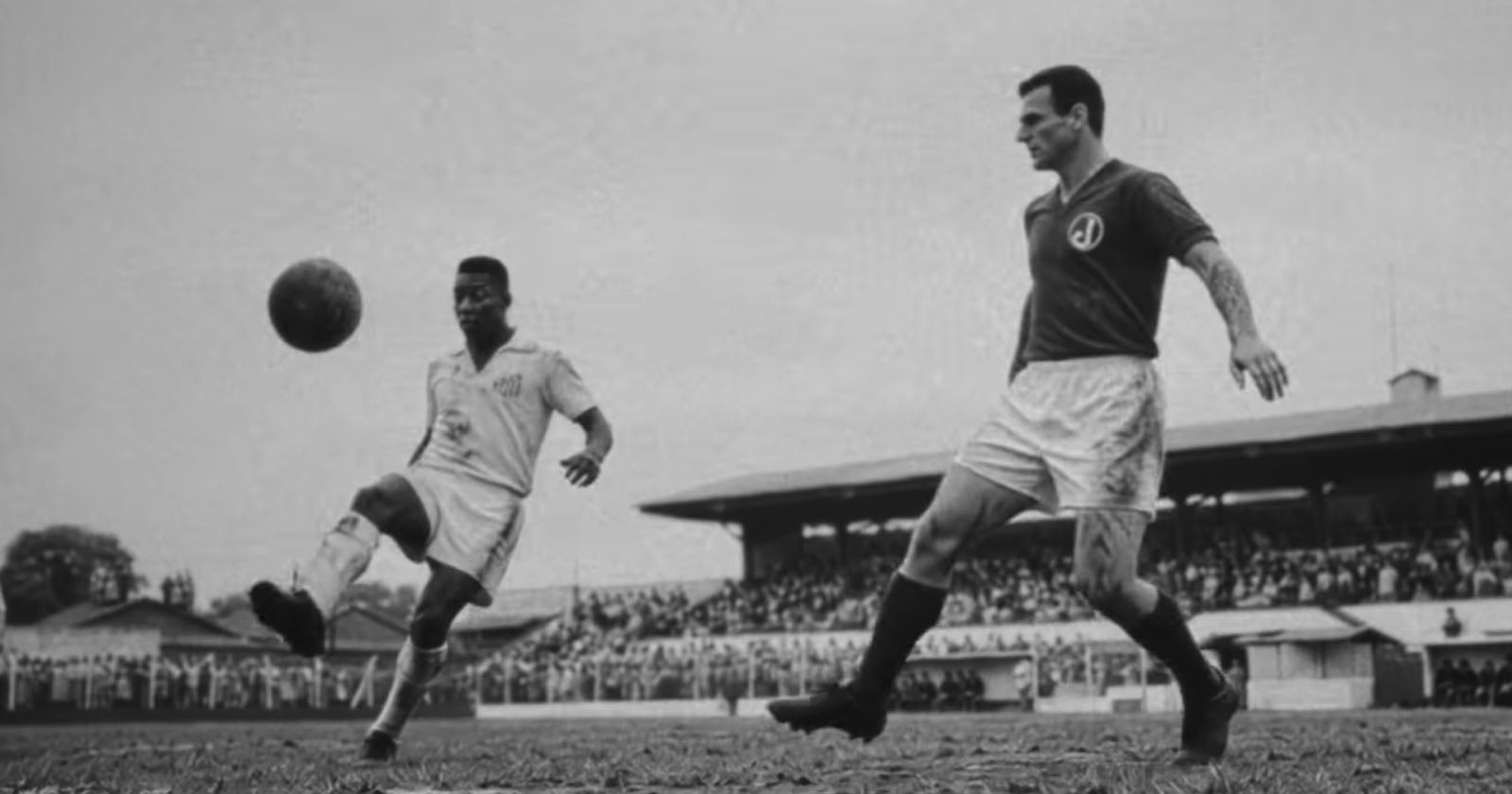
Pelé's Unseen Masterpiece: AI Brings a Legendary Goal to Life.
Pelé called it his greatest goal, yet no camera ever caught it. Now Google's DeepMind has recreated that lost strike, using AI to imagine what the world missed. There is something poetic in that: a masterpiece preserved not on film, but through the very technology that defines our era. It feels less like restoration and more like resurrection. For fans, it is a chance to finally witness a legend's truth. For the curious, it is a reminder that some stories refuse to fade.